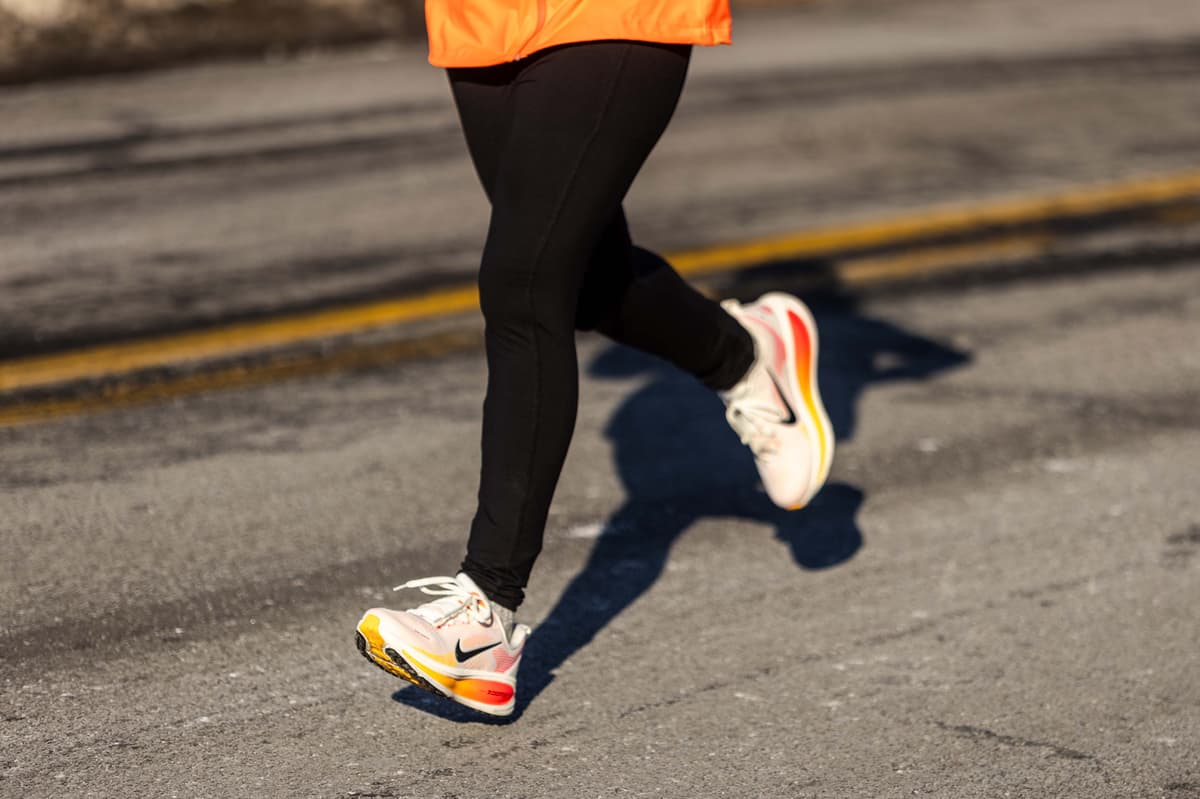
Here’s How Long It Should Take You to Get Ready for a 5K
Why It Matters
Understanding proper preparation windows helps beginners avoid injuries, optimizes performance, and guides coaches and clubs in designing safe, effective 5K programs.
Key Takeaways
- •New runners need 3‑6 months base before 5K
- •Active non‑runners require 8‑12 weeks of adaptation
- •Returners adjust training length to break duration
- •Musculoskeletal system may need up to six months to adapt
- •Speed goals demand additional focused workouts
Pulse Analysis
The Couch‑to‑5K program, launched in 1995, popularized a nine‑week pathway from sedentary life to race day. While its simplicity attracted millions, recent expert analysis highlights a physiological blind spot: the musculoskeletal system often requires far longer to remodel than the cardiovascular system. Ignoring this can lead to overuse injuries, especially for beginners whose connective tissues and tendons are unaccustomed to repetitive impact. By extending the base‑building phase to three‑to‑six months, new runners develop stronger joints and better running mechanics, setting a safer foundation for race performance.
Runner’s World breaks down training timelines into three clear cohorts. First, true beginners benefit from a gradual progression—regular movement, walk‑run intervals, and cross‑training—before tackling a focused 8‑10 week plan. Second, athletes already active in low‑impact sports such as cycling or swimming can compress the schedule to eight‑to‑twelve weeks, but must still allocate four weeks for musculoskeletal adaptation. Third, those returning after injury, pregnancy, or a prolonged hiatus need a customized ramp‑up: two weeks at half volume for short breaks, up to twelve weeks for extended absences. Across all groups, coaches stress benchmark runs and injury‑monitoring to fine‑tune volume and intensity.
For the broader running industry, these insights reshape how clubs, race organizers, and fitness apps structure beginner programs. Offering tiered plans that separate aerobic conditioning from impact conditioning can reduce dropout rates and medical claims. Personalized coaching platforms can embed break‑length assessments to auto‑generate appropriate timelines, while virtual races can market “ready‑in‑X‑weeks” challenges that align with realistic preparation windows. Ultimately, aligning training expectations with human physiology not only protects participants but also expands the market of sustainable, long‑term runners.
Here’s How Long It Should Take You to Get Ready for a 5K
Comments
Want to join the conversation?
Loading comments...