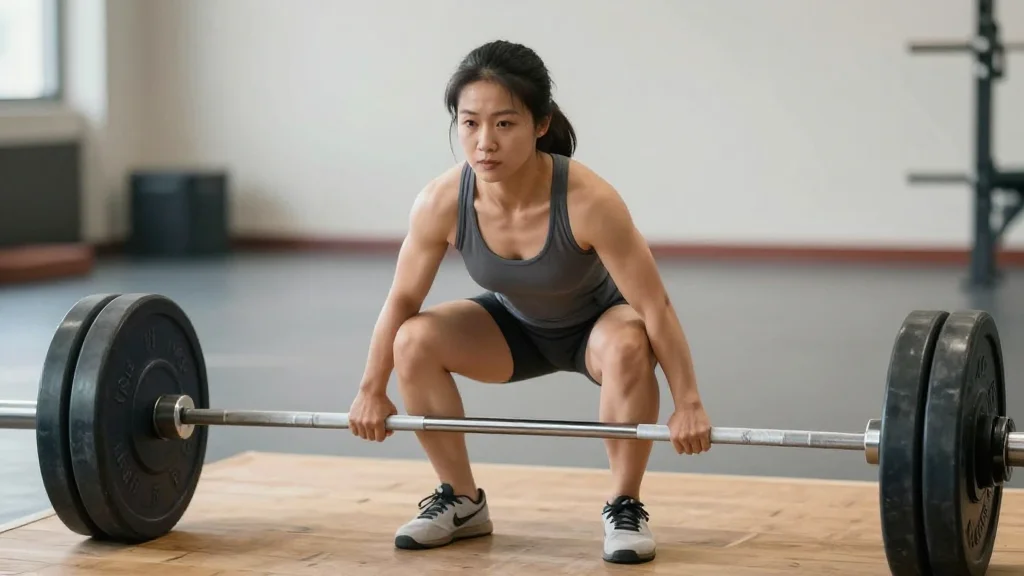
Hidilyn Diaz Skips 2026 Asian Games, 2028 Olympics to Push Weightlifting Nationwide

Why It Matters
Diaz’s shift from personal competition to sport development signals a maturation of the Philippines’ approach to elite athletics. By embedding weightlifting into the national school sports calendar, the country creates a continuous talent pipeline that can sustain international success beyond a single star. This grassroots emphasis also aligns with broader public‑health goals, encouraging youth participation in strength training and potentially reducing injury rates. Moreover, the move could influence regional dynamics. As neighboring Southeast Asian nations invest heavily in weightlifting, the Philippines’ early adoption of a school‑based model may give it a competitive edge in future Asian Games and Olympic cycles. The success of athletes like Adrian Bucol demonstrates that the model can produce medal‑worthy performers within a short timeframe, challenging the traditional reliance on a handful of elite athletes.
Key Takeaways
- •Hidilyn Diaz may skip the 2026 Asian Games and 2028 Olympics to focus on weightlifting promotion.
- •Diaz serves as tournament director for the Palarong Pambansa weightlifting competition.
- •The Hidilyn Diaz Weightlifting Academy, launched in 2024, has already produced national champions.
- •Weightlifting became a regular medal sport in the Palarong Pambansa, featuring 160 athletes from 16 regions.
- •Adrian Bucol won gold in the boys’ 48 kg category at Palarong Pambansa, highlighting the program’s early success.
Pulse Analysis
Diaz’s decision reflects a strategic pivot that could redefine the Philippines’ sports development model. Historically, the nation has relied on a few marquee athletes to deliver Olympic medals, a model that is vulnerable to the inevitable decline of any individual’s career. By institutionalizing weightlifting within the school system, Diaz is creating a replicable pipeline that can generate talent year after year. This approach mirrors successful models in countries like China and Russia, where early talent identification and state‑supported academies have produced sustained elite performance.
The timing is also crucial. With the sport’s recent elevation to a regular medal event in the Palarong Pambansa, there is a policy window to secure funding, improve facilities, and train coaches. If the 2027 edition of the games demonstrates a measurable increase in participation and performance standards, it could justify further government investment and private sponsorships, potentially attracting multinational sports equipment brands seeking market entry in Southeast Asia.
However, the gamble carries risk. Skipping two high‑profile competitions may reduce the Philippines’ immediate medal tally and could be perceived as a loss of visibility on the international stage. The success of the grassroots push will depend on sustained commitment from the Philippine Sports Commission, the Department of Education, and private partners. If those stakeholders align, Diaz’s vision could usher in a new era where the Philippines is not just a one‑time Olympic gold story but a consistent weightlifting powerhouse.
Hidilyn Diaz Skips 2026 Asian Games, 2028 Olympics to Push Weightlifting Nationwide
Comments
Want to join the conversation?
Loading comments...