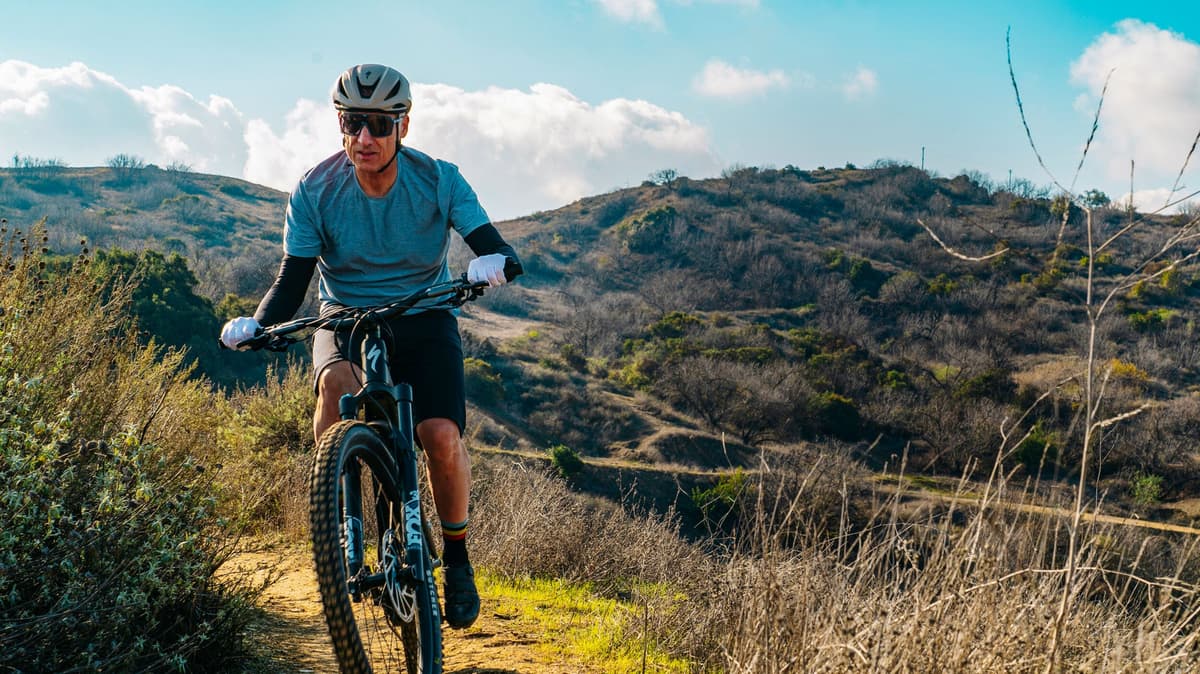
How to Ride Strong Over 50: Expert Tips for Cyclists in Their 50s, 60s, and Beyond
Companies Mentioned

Why It Matters
As the U.S. population ages, cycling offers a scalable, low‑impact exercise that supports cardiovascular health, bone density, and mental well‑being, creating a lucrative niche for bike manufacturers, apparel brands, and fitness services targeting older adults.
Key Takeaways
- •Older cyclists log more hours; 2025: 400+ Strava hours at 74.
- •Consistency and strength training offset age‑related muscle loss.
- •Tailored bike fit and PT essential after surgeries.
- •Nutrition: 30‑50g carbs per hour improves performance for 50+.
- •Community rides and mentorship boost motivation and longevity.
Pulse Analysis
The senior cycling boom reflects broader demographic shifts: Baby Boomers now represent a sizable consumer segment with discretionary income and a desire for active lifestyles. Industry analysts note a 15 % annual rise in bike sales to riders over fifty, driven by improved bike technology, e‑bike accessibility, and targeted marketing. By emphasizing health benefits—reduced heart disease risk, better joint mobility, and enhanced mental resilience—companies can position cycling as a preventive‑care solution, appealing to insurers and wellness programs seeking cost‑effective interventions.
Beyond equipment, the article underscores the importance of holistic training. Consistency, strength work, and mobility drills mitigate sarcopenia and osteoporosis, common concerns for adults over fifty. Tailored bike fits and specialized physical‑therapy bridge the gap between injury recovery and performance, while evidence‑based nutrition—30‑50 grams of carbs per hour—optimizes glycogen stores and supports muscle preservation. These practices not only extend riding longevity but also improve overall functional capacity, translating to lower healthcare utilization for an aging populace.
Community dynamics emerge as a decisive factor in rider retention. Group rides, mentorship programs, and skill clinics foster accountability and social connection, counteracting isolation often experienced by older adults. Brands that facilitate these networks—through club sponsorships, virtual platforms, or local events—gain brand loyalty and valuable data on rider preferences. As the market matures, integrating technology (e.g., smart trainers, health metrics) with personalized coaching will differentiate premium offerings, positioning cycling as both a lifestyle and a sustainable business opportunity for the 50‑plus demographic.
How to Ride Strong Over 50: Expert Tips for Cyclists in Their 50s, 60s, and Beyond
Comments
Want to join the conversation?
Loading comments...