Why It Matters
First‑time 100K attempts demand precise preparation and crew coordination, making expert guidance essential for safety and performance in a rapidly growing ultra‑running market.
Key Takeaways
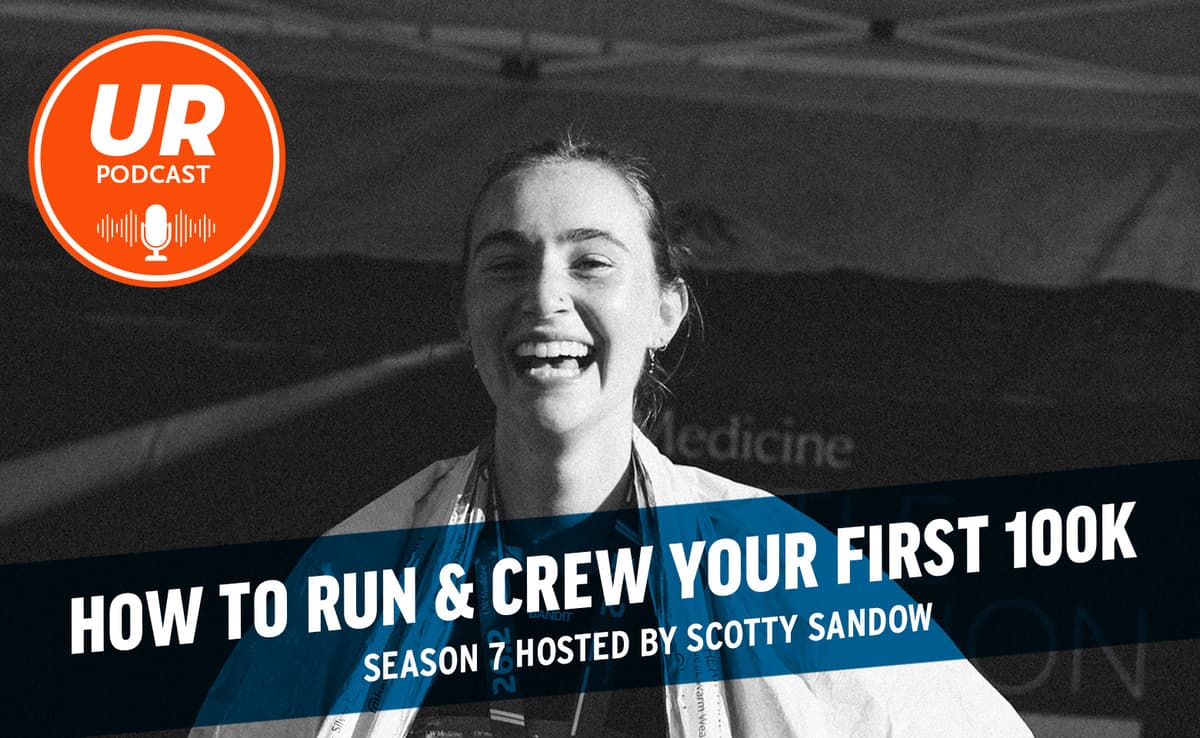
- •Ellie Baxter tackled 62‑mile, 11,000‑ft Gorge Waterfalls 100K.
- •Kat Edwards Anderson shares pro nutrition and pacing strategies.
- •Jason Anderson explains crew logistics and aid‑station efficiency.
- •Emotional support and problem‑solving are critical for first 100K.
- •Podcast host Scotty Sandow highlights storytelling’s role in ultra community.
Pulse Analysis
The ultra‑running scene has exploded over the past decade, with 100‑kilometer races becoming a rite of passage for endurance athletes. Ellie Baxter’s debut at the Gorge Waterfalls 100K—62 miles of rugged terrain and 11,000 feet of ascent—illustrates the steep learning curve newcomers face. While the distance tests physical limits, it also demands meticulous planning around pacing, hydration, and terrain navigation. Professional insights from seasoned ultra‑trail veteran Kat Edwards Anderson help bridge the gap between amateur ambition and the realities of a multi‑day effort.
Equally vital is the crew, a role often overlooked by first‑time racers. Jason Anderson, a veteran crew chief, breaks down the logistics of aid stations, from precise snack timing to rapid gear swaps when weather turns hostile. Efficient crew communication reduces downtime and keeps the runner’s energy stores optimal. Beyond calories, emotional support—steady encouragement, problem‑solving on the fly, and a calm presence—can be the difference between finishing strong and abandoning the course. These practices turn a solo slog into a coordinated expedition.
The knowledge transfer happens not only on the trail but through media platforms that amplify expert advice. Scotty Sandow, with two decades in audio production, leverages his ultra‑running podcast to disseminate stories like Ellie’s, turning complex race dynamics into accessible lessons. Listeners gain actionable tips on nutrition, gear selection, and mental resilience, fostering a community where newcomers can learn from veterans before they lace up. As the ultra‑running market expands, such content ecosystems will shape training methodologies and elevate overall race safety.
How to Run & Crew Your First 100K
Comments
Want to join the conversation?
Loading comments...