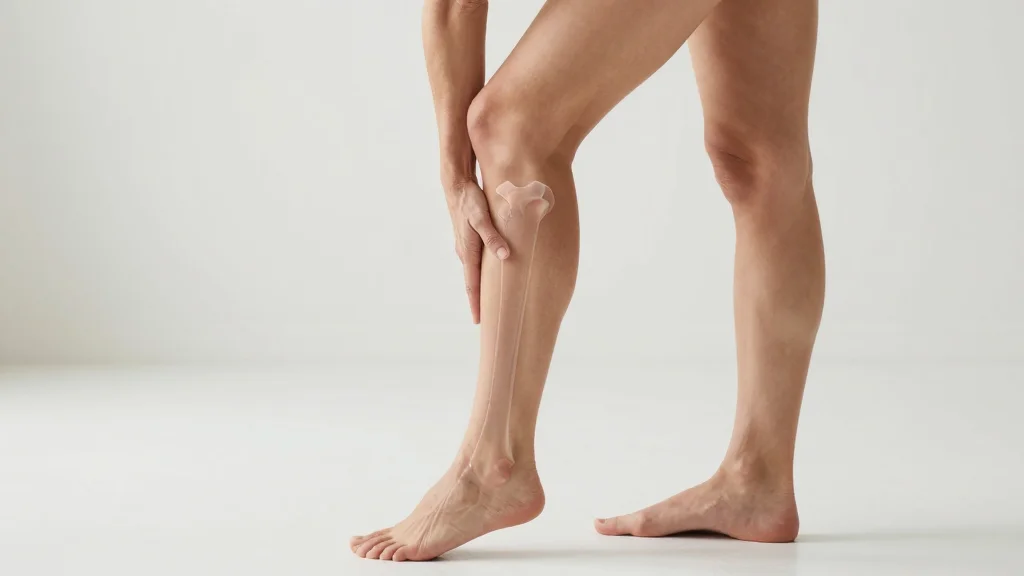
How Women Can Prevent Injury While Weightlifting In Their 40s & Beyond
Why It Matters
Preventing gym injuries in mid‑life women preserves mobility and supports the growing trend of resistance training for healthy aging.
Key Takeaways
- •Perimenopausal women face higher ACL and shoulder injury risk
- •Targeted warm‑up sets mirror the exact lift movement
- •Slow 4‑second eccentric phase boosts muscle stimulus, reduces joint stress
- •Train the weakest range‑of‑motion point to improve stability
- •Use lighter loads when mobility limits full range of motion
Pulse Analysis
The surge of women over 40 embracing weightlifting reflects a broader shift toward strength‑based longevity, yet hormonal fluctuations during perimenopause can compromise tendon elasticity and ligament resilience. Research links declining estrogen to slower collagen turnover, which explains the heightened incidence of ACL tears and frozen shoulder in this demographic. Understanding these physiological changes is the first step for fitness professionals and athletes alike, as it underscores the need for tailored programming that mitigates risk while capitalizing on the bone‑strengthening benefits of resistance work.
A cornerstone of safe training is a movement‑specific warm‑up that primes the nervous system and circulatory pathways for the exact exercises planned. Rather than generic cardio, Dr. Estima recommends progressive sets that replicate the lift’s trajectory—such as empty‑bar squats or assisted pull‑ups—allowing neural pathways to fire efficiently and reducing the likelihood of compensatory patterns that strain joints. This targeted approach not only prepares muscles but also reinforces proper motor patterns, a critical factor for women who may lack lifelong weight‑room experience.
Beyond warm‑ups, manipulating tempo—particularly extending the eccentric phase to four seconds—creates greater time‑under‑tension without necessitating heavy loads. This strategy enhances muscle hypertrophy while sparing joints from excessive compressive forces. Coupled with deliberate work on the weakest segment of each range of motion, athletes develop balanced strength and joint stability. When mobility constraints arise, lighter weights and focused mobility drills become essential, ensuring full‑range execution and protecting connective tissue. Consistently applying these principles supports tendon health, accelerates recovery, and empowers women to sustain strength gains well into later life.
How Women Can Prevent Injury While Weightlifting In Their 40s & Beyond
Comments
Want to join the conversation?
Loading comments...