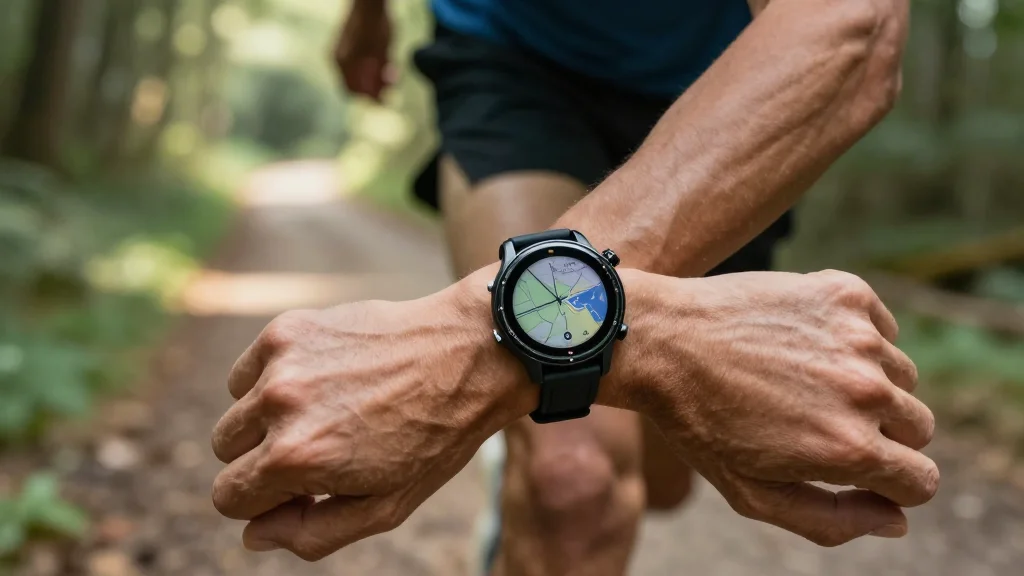
Huawei Launches Watch GT Runner 2 with Multi‑System GNSS for Precision Running

Companies Mentioned
Why It Matters
The introduction of Huawei’s Watch GT Runner 2 adds a new contender to the premium running smartwatch segment, where precise location data and intelligent training feedback are increasingly decisive factors for athletes. By deploying multi‑system GNSS, Huawei addresses a known pain point—signal loss in urban canyons and dense foliage—potentially raising the performance bar for all manufacturers. Moreover, the device’s integration with Huawei’s broader ecosystem could accelerate user adoption among existing Huawei customers, nudging the market toward more tightly linked hardware experiences. For the fitness industry, the launch underscores a shift toward deeper sensor fusion and ecosystem lock‑in as differentiators. As wearables become more capable of delivering actionable health insights, brands that can bundle these capabilities with complementary devices (like tablets or smartphones) may capture greater share of consumer spend, influencing how future fitness products are packaged and marketed.
Key Takeaways
- •Huawei launches Watch GT Runner 2 with multi‑system GNSS for superior tracking accuracy
- •Device emphasizes lightweight design and AI‑driven training insights for runners
- •Launch coincides with MatePad Mini tablet priced at roughly $484, highlighting ecosystem strategy
- •Multi‑GNSS support aims to reduce signal loss in urban and forest environments
- •Watch GT Runner 2 expected to hit markets later this quarter; price not disclosed
Pulse Analysis
Huawei’s entry into the high‑end running smartwatch arena is a calculated play to leverage its hardware expertise and existing consumer base. Historically, the company has excelled in telecommunications infrastructure, but its consumer wearables have lagged behind Apple and Garmin. By focusing on a niche—precision GNSS for runners—Huawei sidesteps direct head‑to‑head battles on brand prestige and instead competes on technical merit. This mirrors a broader industry trend where manufacturers differentiate through sensor fidelity and ecosystem integration rather than sheer brand cachet.
The multi‑system GNSS approach is particularly astute. As satellite constellations proliferate (GPS, GLONASS, Galileo, BeiDou), devices that can aggregate signals will deliver more reliable data, a critical advantage for serious athletes. If Huawei can demonstrate measurable improvements in tracking consistency, it could force competitors to accelerate similar upgrades, potentially reshaping the feature roadmap for the entire segment. However, success will hinge on software execution—how well the raw data translates into meaningful coaching cues—and on battery efficiency, a perennial challenge for GNSS‑heavy devices.
Looking ahead, Huawei’s ecosystem play—pairing the Watch GT Runner 2 with the MatePad Mini—suggests a strategy to lock users into a suite of devices that share health data, productivity tools, and media consumption. This could foster higher customer lifetime value but also raises the bar for rivals to offer comparable cross‑device experiences. If Huawei can deliver a seamless, value‑rich experience, it may carve out a durable niche in the fitness wearables market, prompting a wave of ecosystem‑centric product launches across the industry.
Huawei Launches Watch GT Runner 2 with Multi‑System GNSS for Precision Running
Comments
Want to join the conversation?
Loading comments...