I Used to Dread Long Runs. Now I Swear by These 4 Tricks That Make the Time Fly.
Companies Mentioned
Why It Matters
Long‑run fatigue is a common barrier for marathon training, and practical, low‑cost tactics can boost adherence and performance. Runners who diversify their mental and auditory inputs are less likely to quit and may see measurable gains in endurance and focus.
Key Takeaways
- •Mental exercises boost focus but may cause mental fatigue
- •Singing while running improves mood, slows pace slightly
- •Audiobooks and podcasts keep runners engaged, vary by content
- •Running with a partner adds accountability and conversational pacing
Pulse Analysis
Long‑distance training often feels like a battle against monotony. As mileage climbs, runners confront mental fatigue that can derail even the most disciplined plans. Research shows that sustained boredom not only reduces perceived effort but also hampers cognitive function, making it harder to maintain the consistent pacing required for marathon success. By addressing the psychological side of endurance, athletes can protect their motivation and improve overall training quality.
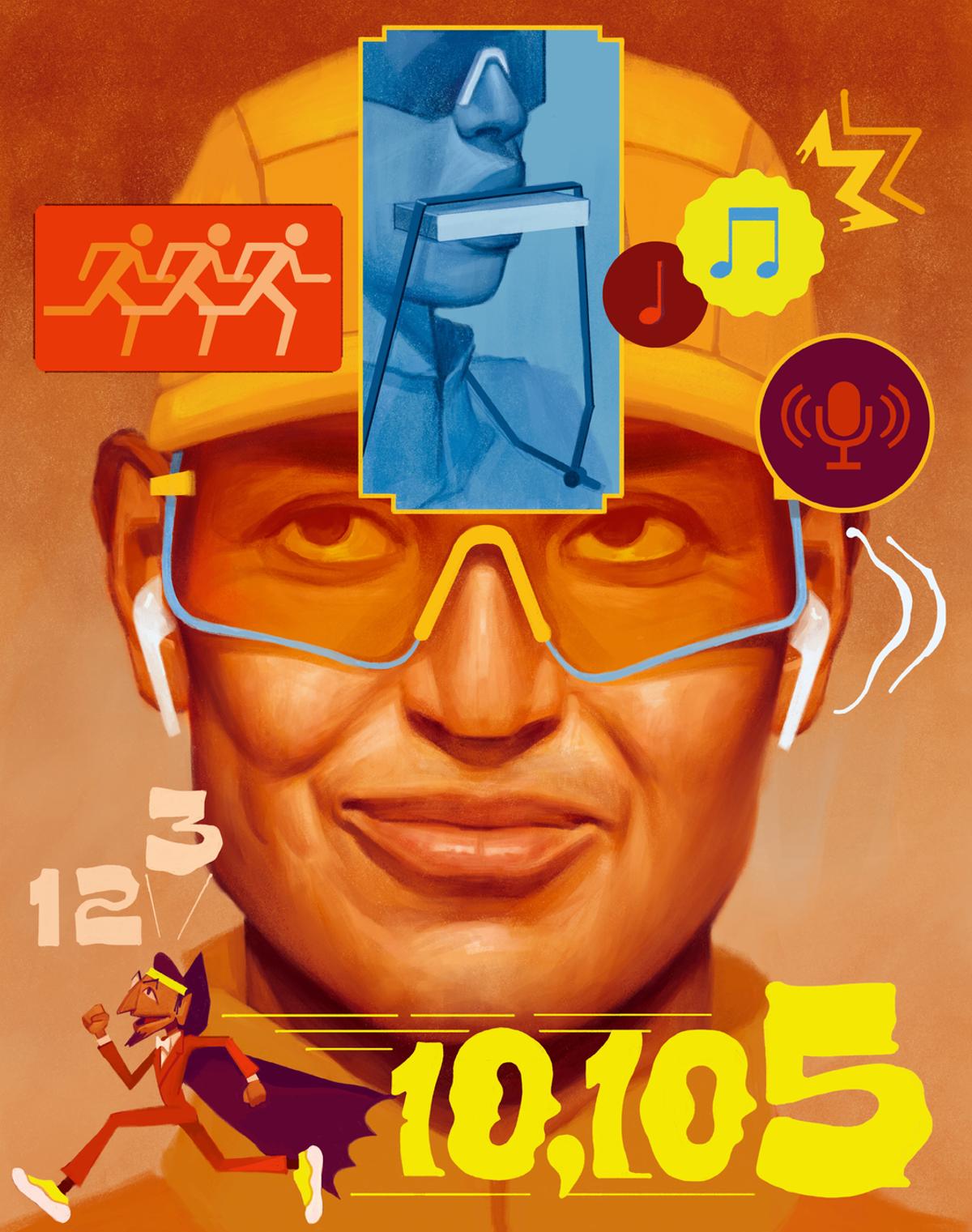
McDonough experiments with four distinct distractions. Pure mental exercises—counting, mindfulness, and strategic planning—sharpen focus but can exhaust a Type A mind after an hour. Music making, from singing to playing a harmonica, injects joy yet forces a slower cadence due to breath control. Spoken‑word audio, whether an audiobook or a lively podcast, offers narrative immersion; the key is selecting content that sustains attention. Finally, socialization—running with a friend or taking calls—adds accountability, conversation, and natural pacing, earning the highest personal grade.
The takeaway for serious runners is to adopt a mixed‑method regimen. Rotating between silence, music, storytelling, and companionship prevents the mental plateau that often leads to skipped sessions. This variety not only makes miles feel shorter but also cultivates mental resilience, a critical asset on race day. Coaches should encourage athletes to experiment with these low‑cost tools, tracking which combinations yield the best perceived effort and performance metrics. By doing so, runners can transform long runs from a dreaded chore into a dynamic, engaging part of their training ecosystem.
I Used to Dread Long Runs. Now I Swear by These 4 Tricks That Make the Time Fly.
Comments
Want to join the conversation?
Loading comments...