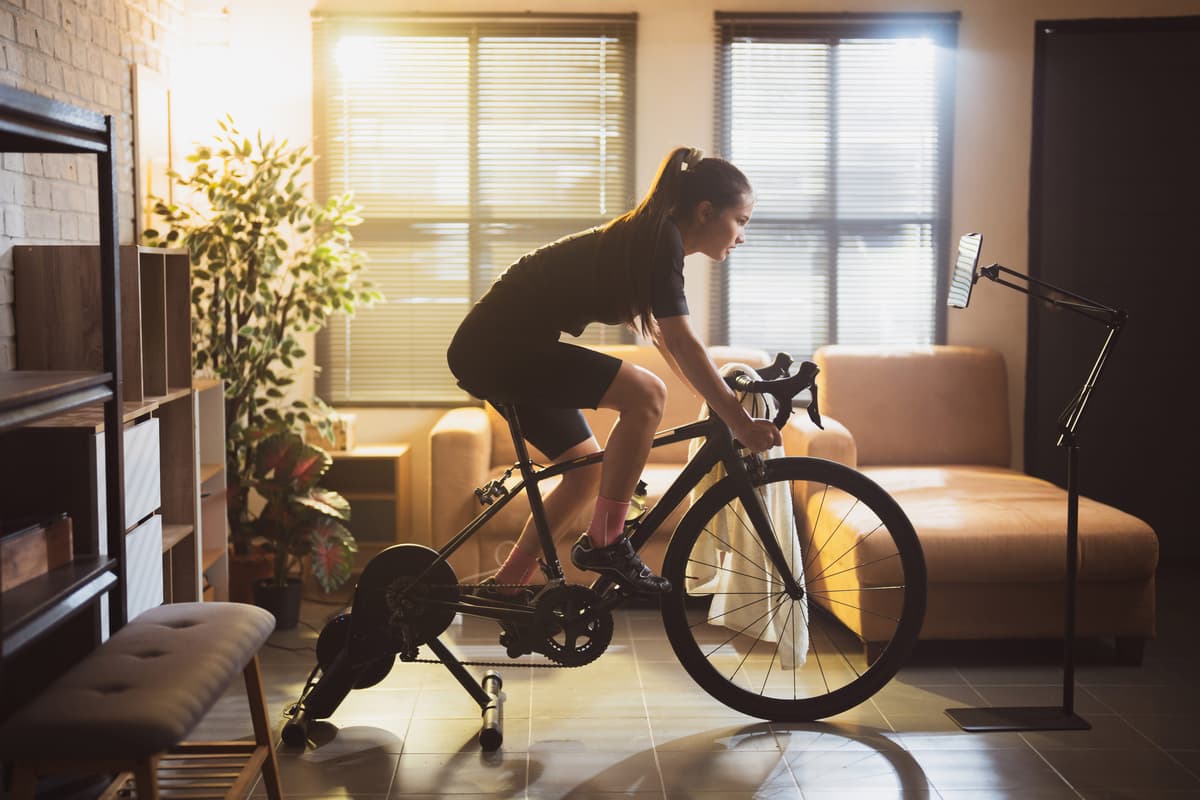
I’m a Level 2 Spin Instructor—These Are My Favorite Cadence Drills
Why It Matters
Consistent cadence work translates to more efficient riding, reducing fatigue and injury risk, which is critical for competitive cyclists, fitness enthusiasts, and the indoor‑training market.
Key Takeaways
- •Cadence drills improve pedal smoothness and power efficiency
- •Maintain hips still to avoid wasted energy
- •Use heart rate or RPE to gauge intensity
- •Perform drills 1‑2 times weekly for consistent gains
Pulse Analysis
Cadence training has moved from a niche concept to a mainstream pillar of indoor cycling programs. By focusing on pedal revolutions per minute (RPM) while maintaining a constant resistance, cyclists train the neuromuscular pathways that coordinate the full 360‑degree leg motion. This deliberate practice builds "souplesse," a French term for suppleness, allowing riders to generate power more evenly throughout each stroke and to conserve energy over long rides. The physiological payoff includes reduced muscular fatigue, better oxygen utilization, and a lower likelihood of overuse injuries that plague both road racers and weekend enthusiasts.
Technology has accelerated the adoption of cadence drills. Modern smart trainers and cadence sensors feed real‑time RPM data to cycling computers, enabling precise interval control without the guesswork of feel‑based training. Coupled with heart‑rate monitors or the rate‑perceived‑exertion (RPE) scale, athletes can target specific intensity zones—typically 65‑75% of max heart rate—for optimal aerobic development. Brands such as Zwift, Wahoo, and Tacx have integrated cadence‑focused workouts into their platforms, turning what was once a specialist routine into a scalable, data‑driven habit for millions of users worldwide.
For coaches and gym owners, embedding cadence drills into class curricula offers a tangible performance differentiator. Structured sessions like the 10‑minute 85‑100 RPM ladder or the 8‑minute 85‑105 RPM oscillation teach riders to keep hips stable and upper bodies relaxed, directly addressing common pain points like back strain and hand numbness. When practiced 1‑2 times per week, these drills reinforce motor patterns that carry over to outdoor rides, delivering measurable improvements in speed, endurance, and rider confidence. As the indoor‑cycling market continues to grow, cadence‑centric programming will likely become a standard offering, driving equipment sales and subscription revenue alike.
I’m a Level 2 Spin Instructor—These Are My Favorite Cadence Drills
Comments
Want to join the conversation?
Loading comments...