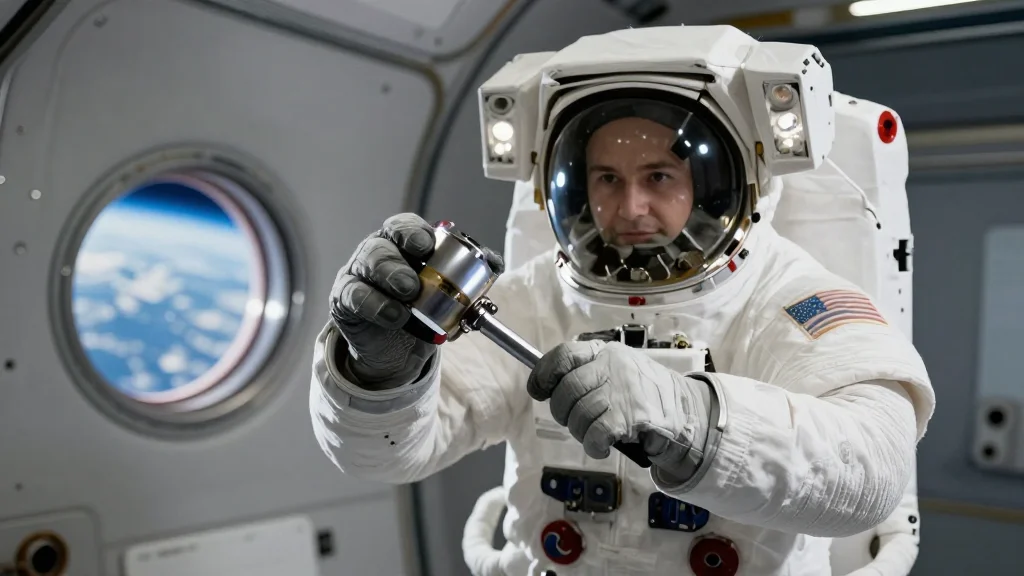
In Tight Quarters, Artemis II Astronauts Stay Fit with the Flywheel
Why It Matters
Maintaining astronaut health is critical for mission success, and the flywheel’s compact, high‑resistance capability could also translate into new home‑fitness solutions for age‑related bone loss on Earth.
Key Takeaways
- •Flywheel fits in Orion’s 316‑cubic‑foot cabin
- •Provides up to 400 lb resistance for strength training
- •Bed‑rest study showed equal results to full‑gym workouts
- •Quiet operation won’t disturb crew in confined space
Pulse Analysis
Microgravity removes the constant pull of Earth’s gravity, causing rapid muscle atrophy and bone density loss that can jeopardize long‑duration missions. Traditional gym equipment is too bulky for the Orion capsule, which offers only 316 cubic feet of habitable volume. NASA’s engineers therefore turned to a flywheel‑based system that stores kinetic energy in a rotating mass, allowing astronauts to generate resistance without heavy weights. The device’s small footprint—roughly the size of a carry‑on suitcase—makes it ideal for the cramped environment, while still delivering up to 400 pounds of force for comprehensive strength work.
The flywheel’s efficacy was proven before Artemis II through a ground‑based “Pillownauts” study, where 30 volunteers endured 70 days of bed rest, a condition that mimics space‑induced deconditioning. Participants who exercised on the flywheel maintained muscle mass and bone health at levels comparable to those using a full gym suite, despite the device’s minimal size. Astronauts on the current mission have already logged cardio rowing sessions and resistance lifts, reporting solid workouts without the need for ear‑plugs or disruptive noise—an essential factor when four crew members share a limited living area.
Beyond spaceflight, the flywheel’s ability to deliver high‑intensity resistance in a compact form opens commercial avenues for Earth‑bound users, especially seniors facing osteoporosis or sarcopenia. A 30‑minute daily routine could help preserve bone density and muscle strength, echoing the device’s original purpose. As NASA continues to commercialize its technologies, the flywheel may soon appear in home‑gym line‑ups, offering a space‑grade solution to a widespread public‑health challenge.
In tight quarters, Artemis II astronauts stay fit with the flywheel
Comments
Want to join the conversation?
Loading comments...