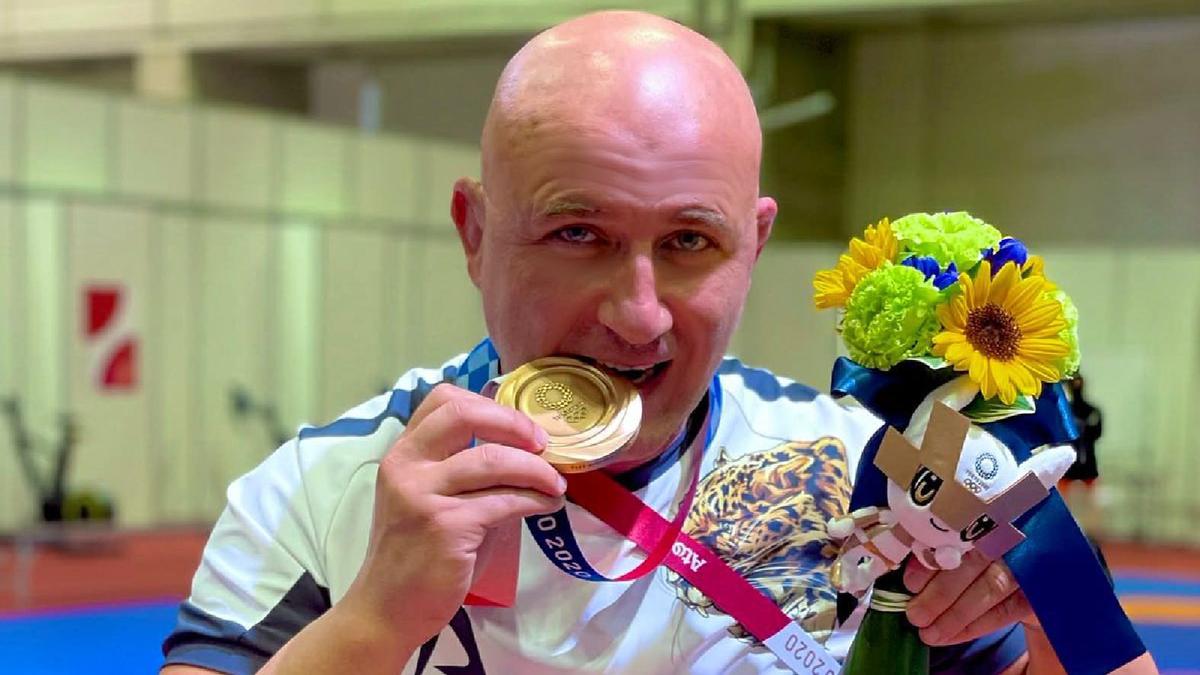
Inside Coach Shako’s Plan for Indian Wrestlers: ‘Everyone Goes Uthak-Baithak and Gym… Want to Make Them Gladiators’
Why It Matters
The new coaching philosophy could reverse India’s recent wrestling stagnation and boost its medal chances at the 2028 Olympics, while setting a new standard for athlete development across the country.
Key Takeaways
- •Shako Bentinidis appointed head coach of India's men's freestyle team.
- •All‑foreign staff adds Japan, Russia, USA experts, starting May.
- •Focus shifts from gym‑heavy routines to technique repetition and speed drills.
- •International camps planned to expose wrestlers to Russian, Georgian, American styles.
- •Goal: develop a 'Gladiator' mindset to boost Olympic medal prospects.
Pulse Analysis
India’s wrestling program has enjoyed a surge of Olympic medals in the past decade, yet recent results suggest a plateau. The nation secured six medals across the last five Games, but only one male qualifier made the Paris 2024 roster, highlighting gaps in talent depth and competitive exposure. To address this, the Wrestling Federation of India has assembled an unprecedented all‑foreign coaching team, bringing in expertise from Japan, Russia and the United States. This strategic move reflects a broader trend of leveraging global best practices to accelerate performance in traditionally strong but evolving sports markets.
At the heart of the transformation is Shako Bentinidis, a Georgian coach renowned for turning Bajrang Punia into an Olympic medalist. Bentinidis rejects the conventional Indian emphasis on sheer stamina and gym work, advocating instead for high‑volume, precision‑driven mat drills that embed technique into muscle memory. He stresses discipline, noting that even basic attendance issues can undermine progress. By integrating speed work, partner‑lifting, and repetitive execution of moves, he aims to produce wrestlers who can out‑maneuver opponents, not just out‑last them. Early signs are promising: athletes like Sujeet Kalkal are already benefiting from the technical rigor, showing improved tactical awareness and power.
The implications extend beyond immediate medal hopes for Los Angeles 2028. International training camps slated for 2025 will immerse Indian wrestlers in the competitive environments of Dagestan, Georgia and the U.S., eroding the psychological inferiority complex that has hampered confidence on the world stage. This exposure is expected to catalyze a cultural shift within Indian akharas, fostering a "Gladiator" mindset that prizes relentless winning character. If successful, the model could inspire other Indian sports federations to adopt similar foreign‑coach collaborations, elevating the nation’s overall sporting ecosystem.
Inside coach Shako’s plan for Indian wrestlers: ‘Everyone goes uthak-baithak and gym… want to make them gladiators’
Comments
Want to join the conversation?
Loading comments...