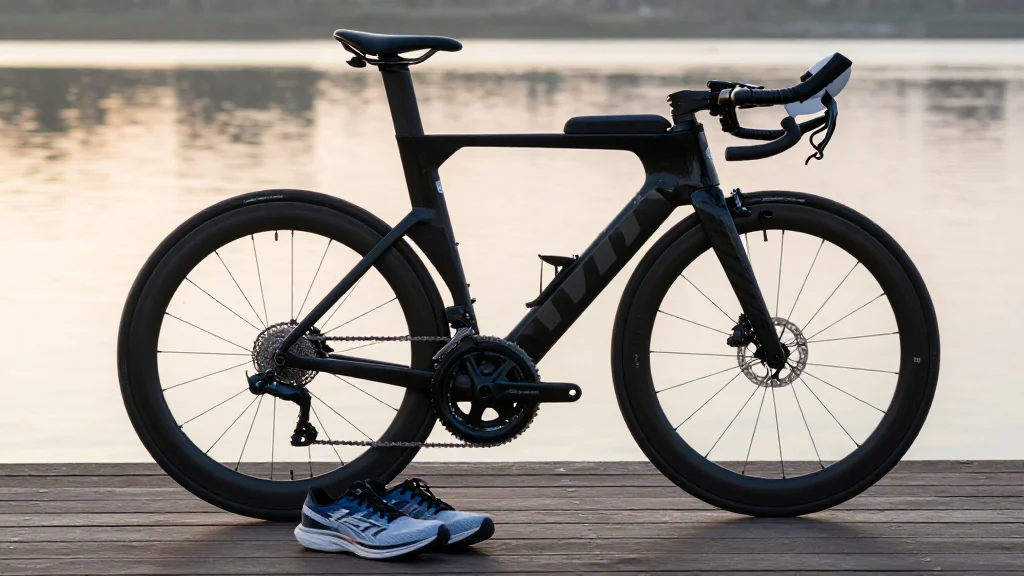
Ironman Jacksonville 2026 Draws Over 1,500 Athletes, Deploys 500+ Officers for Safety

Why It Matters
Ironman Jacksonville’s expanded participant base underscores a surge in endurance sport popularity, a trend that fuels demand for specialized training facilities, nutrition products, and recovery services. The city’s investment in robust safety measures demonstrates how municipalities can balance public health priorities with large‑scale sporting events, setting a template for other regions seeking to host similar competitions. The event’s economic ripple effect extends beyond the race day, influencing local businesses, tourism boards, and fitness brands that sponsor or supply the race. By attracting a national audience, Jacksonville strengthens its brand as a destination for athletes, which could translate into sustained growth in fitness‑related tourism and ancillary industries.
Key Takeaways
- •More than 1,500 athletes will compete in Ironman Jacksonville on May 16, 2026.
- •The Jacksonville Sheriff's Office will deploy over 500 officers for event security.
- •Swim portion takes place in the St. Johns River; river sections closed from 7 a.m. to 11 a.m.
- •New safety protocols include mandatory medical briefings and real‑time GPS tracking.
- •Event expected to boost local economy through tourism, hospitality, and fitness services.
Pulse Analysis
The surge in Ironman Jacksonville participation reflects a broader shift toward multi‑disciplinary endurance events that blend community engagement with high‑performance sport. Historically, triathlons have been niche, but recent years have seen a democratization of training resources, virtual coaching platforms, and accessible race packages, lowering barriers for amateur athletes. Jacksonville’s ability to attract a record field suggests that the city’s infrastructure—particularly its waterways and road network—has become a competitive advantage in the national race calendar.
From a security standpoint, the deployment of 500+ officers illustrates how law‑enforcement agencies are adapting to the logistical complexities of modern endurance events. The integration of GPS tracking and expanded medical services points to a data‑driven approach to athlete safety, a model that could become standard across similar races. This operational blueprint may encourage other municipalities to invest in technology and personnel, thereby raising the overall safety baseline for the sport.
Looking ahead, the economic impact of Ironman Jacksonville could catalyze further investment in fitness‑related infrastructure, such as dedicated training corridors, bike lanes, and recovery centers. As the city leverages the event’s visibility, partnerships with apparel brands, nutrition companies, and tech firms are likely to deepen, creating a virtuous cycle that fuels both local business growth and the broader fitness ecosystem.
Ironman Jacksonville 2026 Draws Over 1,500 Athletes, Deploys 500+ Officers for Safety
Comments
Want to join the conversation?
Loading comments...