Kairikido: A System for Building Real-World Strength
Companies Mentioned
Why It Matters
By tying measurable standards to a lifelong learning path, Kairikido offers coaches a clear roadmap for developing transferable strength while keeping athletes engaged beyond short‑term gym totals. This approach addresses the industry’s demand for functional, sustainable performance across multiple disciplines.
Key Takeaways
- •Kairikido blends Olympic lifting, powerlifting, strongman, gymnastics, and odd-object work.
- •Progression follows belt levels with measurable bodyweight strength standards.
- •Autonomy increases from coach‑directed to athlete‑directed as competency rises.
- •Work capacity and movement competency are required alongside raw strength.
- •System emphasizes lifelong practice over single‑event peak performance.
Pulse Analysis
The fitness industry has long grappled with siloed training modalities that excel in isolated lifts but fall short in real‑world applicability. As athletes and coaches seek performance that carries from the gym to the field, hybrid models that integrate multiple strength domains are gaining traction. Kairikido positions itself at this intersection, offering a comprehensive framework that blends the explosive power of Olympic lifts, the maximal loads of powerlifting, the functional odd‑object challenges of strongman, and the body‑control of gymnastics. This multidimensional approach aligns with emerging research emphasizing movement competency and work capacity as critical predictors of athletic success.
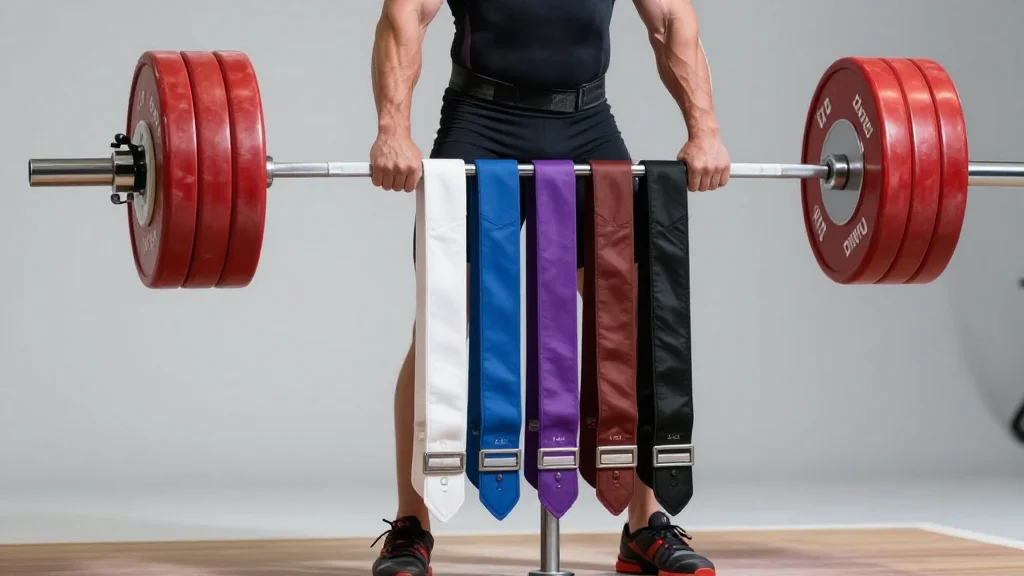
Central to Kairikido’s appeal is its belt‑based progression, reminiscent of martial arts grading systems. Each belt—white through black and finally master—requires athletes to meet specific relative‑strength ratios, demonstrate technical proficiency, and sustain performance under fatigue. The Quadrant Management System further differentiates the program by scaling decision‑making authority: beginners receive fixed programming, while advanced practitioners gain freedom over exercise selection, volume, and intensity. This graduated autonomy not only fosters self‑efficacy but also encourages data‑driven adjustments, ensuring training remains responsive to individual strengths and weaknesses.
For coaches and performance professionals, Kairikido offers a scalable template that can be customized across sports—from rugby to combat athletics—without sacrificing the rigor of measurable standards. Its emphasis on lifelong practice counters the prevalent peak‑oriented culture, promoting athlete longevity and reducing injury risk. As the market increasingly values functional, transferable strength, systems like Kairikido are poised to become a cornerstone of elite programming, delivering both competitive edge and sustainable development.
Kairikido: A System for Building Real-World Strength
Comments
Want to join the conversation?
Loading comments...