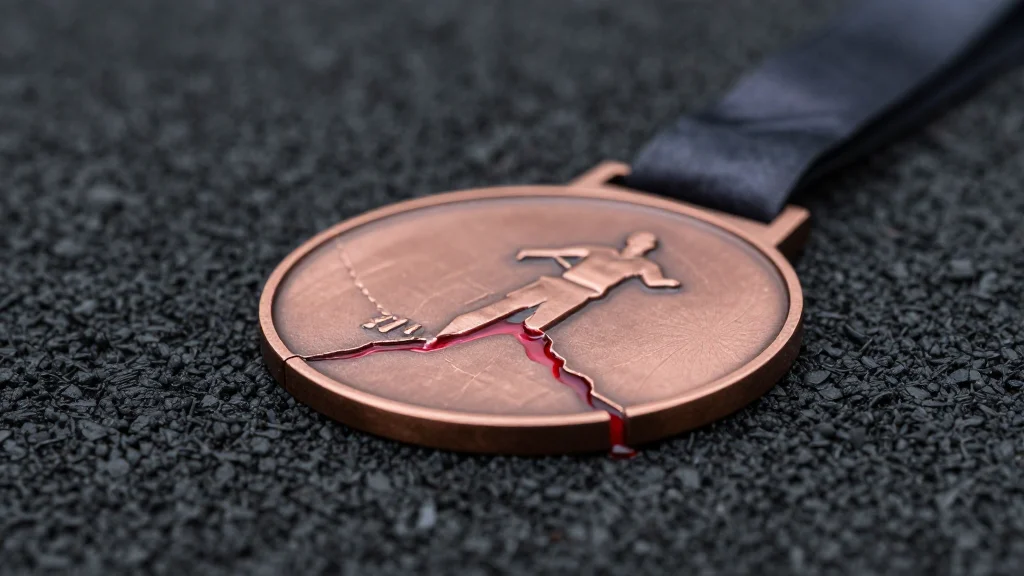
Kenyan Marathon Star Albert Korir Handed Five‑Year Doping Ban, All Post‑Oct 2025 Results Void

Why It Matters
The five‑year ban removes one of the sport’s most visible marathon champions from competition during his prime years, altering the competitive hierarchy of elite road racing. It also reinforces the AIU’s willingness to impose harsher penalties for repeat offenses, potentially deterring future doping and prompting national federations to invest more heavily in testing and education. For the broader fitness community, the case underscores the importance of clean sport as a cornerstone of athlete health and public trust. As marathon participation continues to grow among recreational runners, high‑profile doping scandals can erode confidence in the fairness of competition and the legitimacy of performance benchmarks.
Key Takeaways
- •Albert Korir receives a five‑year ban for CERA use; ban runs Jan 8 2026‑Jan 7 2031
- •All results from Oct 3 2025 onward are disqualified, including 2025 NYC Marathon third place
- •Patrick Dever upgraded to bronze in New York after Korir’s disqualification
- •AIU called the case ‘clear evidence…multiple occasions’ and cited aggravating circumstances
- •Ban adds to a series of Kenyan doping cases, prompting calls for stricter national testing
Pulse Analysis
The AIU’s handling of Albert Korir’s case marks a turning point in how repeat doping violations are punished in elite distance running. Historically, first‑offenders received two‑year bans, while repeat offenders faced six‑year suspensions. By reducing Korir’s penalty to five years in exchange for his cooperation, the AIU balances deterrence with procedural fairness, signaling that admission can mitigate—but not erase—severe sanctions.
From a market perspective, the removal of a marquee athlete reshapes sponsorship dynamics. Brands that aligned with Korir’s success, such as footwear and nutrition partners, must now navigate contract renegotiations or terminations, potentially redirecting funds toward athletes with cleaner records. This reallocation could accelerate the rise of emerging runners from East Africa and Europe who are eager for high‑visibility endorsements.
Looking ahead, the case may catalyze a wave of policy reforms within Kenyan athletics. The nation’s anti‑doping agency, previously criticized for lax enforcement, is under pressure to adopt more rigorous testing regimes and transparent reporting. If Kenya strengthens its oversight, it could restore confidence among global race organizers and preserve the country’s reputation as a powerhouse of marathon talent. Conversely, failure to act could lead to broader sanctions from World Athletics, affecting the eligibility of Kenyan athletes across multiple disciplines.
Kenyan Marathon Star Albert Korir Handed Five‑Year Doping Ban, All Post‑Oct 2025 Results Void
Comments
Want to join the conversation?
Loading comments...