Kettlebells vs Dumbbells: Which Is Better for Your Strength Workouts?
Why It Matters
Choosing the right free‑weight tool directly impacts training efficiency, injury risk, and performance outcomes for athletes and recreational lifters alike, influencing equipment sales and programming trends in the fitness industry.
Key Takeaways
- •Kettlebells shift weight below the grip, increasing core torque
- •Dumbbells provide symmetrical load, ideal for isolated muscle work
- •Kettlebell swings enable ballistic, cardio‑intensive flows
- •Mastering kettlebell technique often requires professional instruction
- •Select based on goals: power/ endurance vs muscle isolation
Pulse Analysis
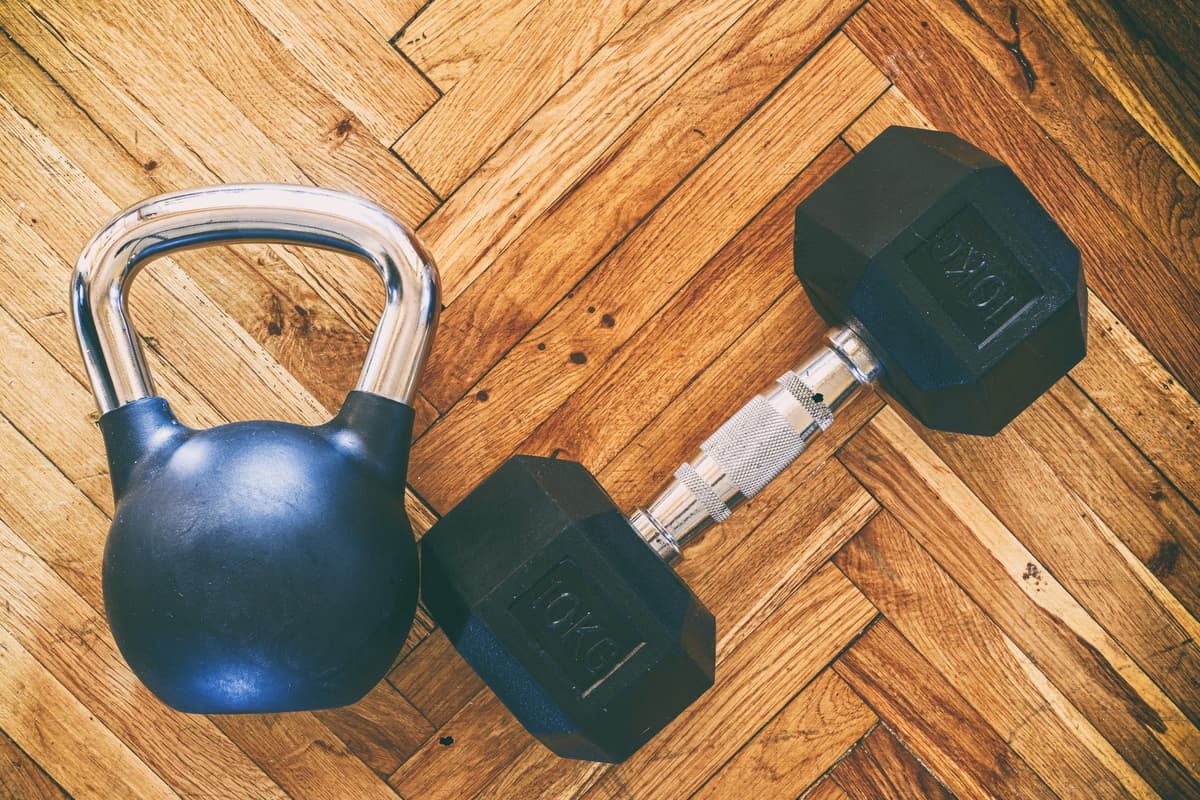
Free‑weight selection has become a strategic decision for gyms and home users as the fitness market diversifies. Kettlebells, with their off‑center mass, generate variable torque that forces the stabilizer muscles to engage throughout each swing, clean, or snatch. This dynamic loading not only boosts core strength but also elevates heart rate, making kettlebell circuits a hybrid strength‑cardio solution prized by high‑intensity interval training (HIIT) programs and endurance athletes seeking power endurance. By contrast, dumbbells maintain a central axis of gravity, allowing lifters to isolate specific muscle groups such as biceps, triceps, and chest with precise control, which is essential for hypertrophy‑focused regimens and progressive overload tracking.
The practical implications extend to technique acquisition and safety. Kettlebell movements often involve complex hip hinges and rapid hand‑to‑hand transitions, demanding dedicated coaching to avoid joint strain. Dumbbell exercises, meanwhile, are more intuitive for beginners, facilitating smoother adoption of foundational lifts like lunges, rows, and presses. For cyclists, the kettlebell’s ability to mimic the asymmetric forces encountered on the bike can improve pedal stability and pelvic alignment, while dumbbells excel at correcting muscular imbalances through targeted unilateral work. Trainers therefore tailor program design to the athlete’s experience level and performance objectives, integrating both tools when appropriate.
From a purchasing perspective, the decision hinges on budget, space, and long‑term utility. A single kettlebell set can replace multiple dumbbells for functional training, but the need for varied weights to progress in strength may still necessitate a dumbbell rack. Retailers observe rising demand for versatile equipment that supports both strength and conditioning, prompting manufacturers to offer hybrid designs and adjustable‑weight kettlebells. Understanding these nuances helps consumers and professionals allocate resources efficiently, ensuring that the chosen equipment aligns with training goals and delivers measurable performance gains.
Kettlebells vs Dumbbells: Which Is Better for Your Strength Workouts?
Comments
Want to join the conversation?
Loading comments...