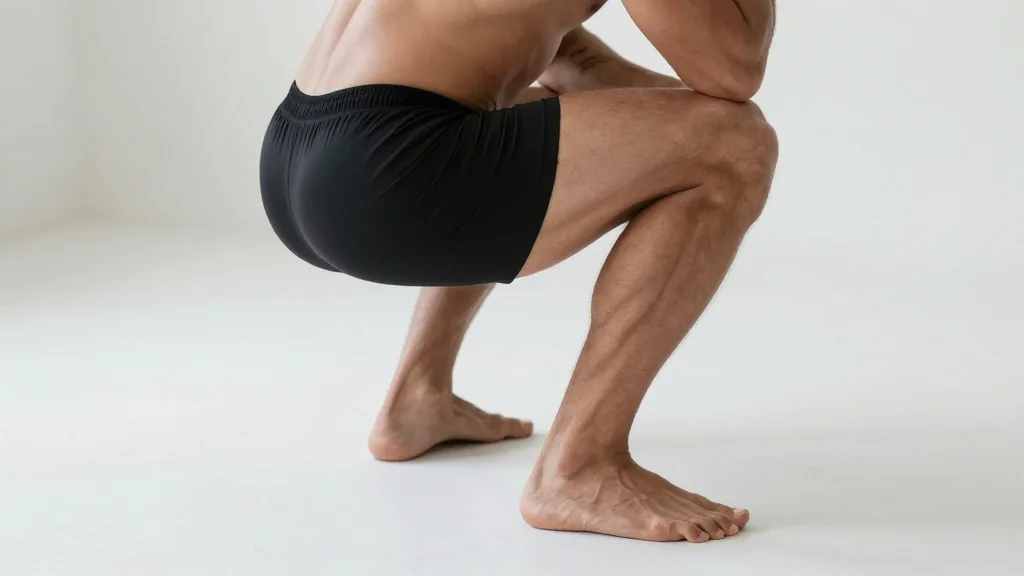
Mobility Vs. Flexibility: Why They're Not The Same Thing
Why It Matters
Understanding the mobility‑flexibility distinction helps athletes and professionals prevent compensatory injuries and enhance performance, making training more efficient and sustainable.
Key Takeaways
- •Mobility combines range of motion with strength and control
- •Limited ankle dorsiflexion forces compensations in knees and hips
- •Strength training under load teaches nervous system safe movement
- •Simple self‑tests reveal hip, ankle, thoracic mobility deficits
Pulse Analysis
Mobility and flexibility are often conflated, yet they address fundamentally different physiological needs. Flexibility describes a muscle’s passive ability to lengthen, while mobility adds the active component of joint control and strength. This nuance matters because the human body operates in dynamic environments—lifting, squatting, reaching—where static stretches alone cannot guarantee safe, efficient movement. Misunderstanding the two can lead to persistent performance plateaus and overuse injuries, especially among individuals who spend long hours seated and neglect joint health.
Recent fitness research highlights strength training as the most effective pathway to genuine mobility gains. When a joint is moved through its full range under load, muscles not only lengthen but also learn to stabilize the position, sending reassuring signals to the nervous system. Exercises such as deep goblet squats, Romanian deadlifts, and controlled overhead presses simultaneously stretch tissues and reinforce neural patterns, turning passive flexibility into functional mobility. This dual‑stimulus approach outperforms traditional static stretching, which merely increases tolerance without teaching the body how to manage the new range.
For professionals, coaches, and corporate wellness programs, the practical takeaway is clear: integrate targeted, load‑bearing movements into routine training and assess mobility with simple tests—squat depth, knee‑to‑wall, and wall‑reach. Addressing common restriction sites—hips, ankles, thoracic spine—through progressive strength work can reduce compensatory stress on the lower back and knees, improve posture, and enhance overall resilience. As the workplace continues to prioritize health, mobility‑focused conditioning will become a cornerstone of injury‑prevention strategies and performance optimization.
Mobility vs. Flexibility: Why They're Not The Same Thing
Comments
Want to join the conversation?
Loading comments...