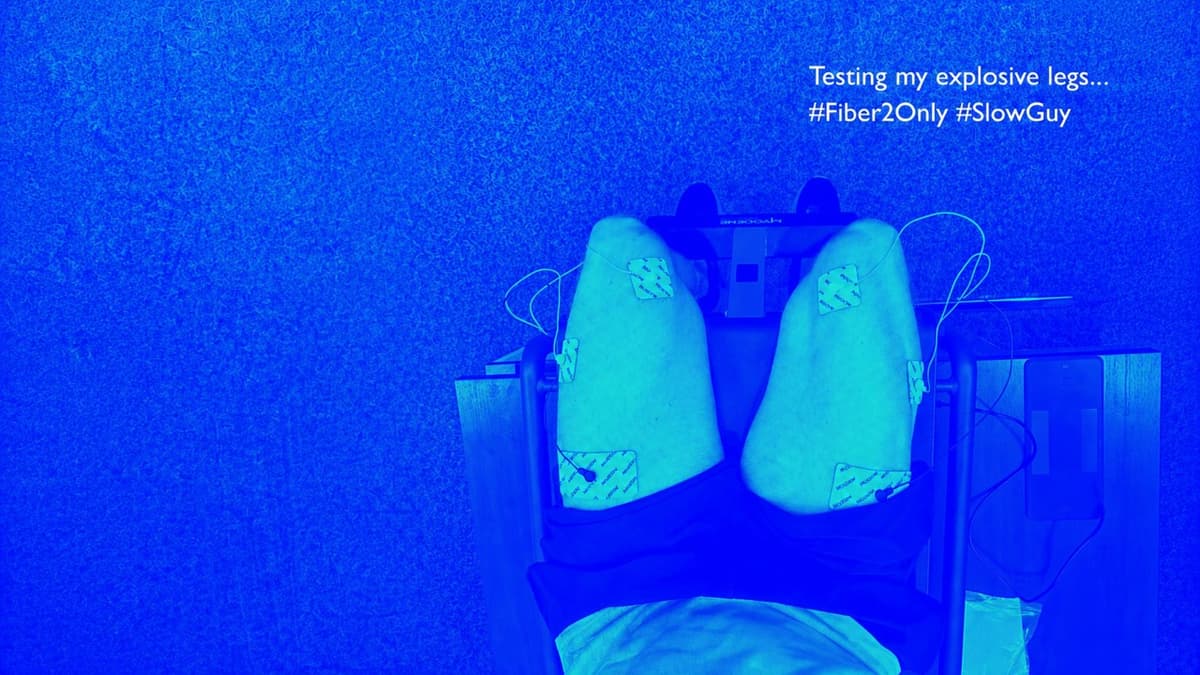
Modality-Specific Muscle Low-Frequency Fatigue and Recovery Signatures: A Case Report Mapping the HIIT Science Taxonomy
Key Takeaways
- •Powerdex shows negligible fatigue for Zone 2 sauna bike (Type 1).
- •Small‑sided games cause moderate drop, recover within 24 h (Type 2).
- •RSA with direction changes drops power <80%, recovery >48 h (Type 4).
- •Cycling SIT causes severe acute drop but rebounds within 4 h.
- •Neuromuscular RPE correlates r = ‑0.89 with Powerdex, beating global RPE.
Pulse Analysis
The emergence of portable neuromuscular monitoring, exemplified by the Myocene Powerdex, marks a turning point for high‑intensity interval training (HIIT) research. For two decades, the HIIT Science taxonomy has guided coaches based on theoretical load estimates, but objective field data were lacking. By measuring low‑frequency fatigue—a passive indicator of muscle contractility—Buchheit and Laursen provide concrete evidence that different HIIT modalities impose distinct neuromuscular stresses, allowing practitioners to move beyond educated guesses.
Their nine‑session case report reveals a clear hierarchy of fatigue and recovery. Zone 2 aerobic work performed in a sauna (Type 1) barely perturbs Powerdex values, confirming its low‑impact nature. Easy small‑sided games (Type 2) produce a moderate dip that normalizes within a day, while repeated‑sprint agility drills (Type 4) drive power below the 80 % threshold and require more than 48 hours for full recovery. Interestingly, cycling sprint‑interval training (Types 3‑5) generates a sharp acute decline but rebounds quickly, likely due to its concentric‑only muscle action. These signatures give coaches precise timelines for when athletes can safely resume high‑load sessions.
Perhaps the most actionable insight is the strong link between athletes’ perceived neuromuscular effort and the Powerdex readings (r = ‑0.89). This correlation outperforms traditional global RPE and heart‑rate measures, suggesting that a simple leg‑heaviness query can serve as a reliable proxy when sophisticated devices are unavailable. As teams adopt neuromuscular RPE alongside objective monitoring, training periodization can become more individualized, reducing injury risk and optimizing performance gains. The study’s limitations—single‑subject design and sport‑specific context—call for broader validation, yet the findings lay a solid foundation for evidence‑based HIIT prescription in elite and recreational settings.
Modality-Specific Muscle Low-Frequency Fatigue and Recovery Signatures: A Case Report Mapping the HIIT Science Taxonomy
Comments
Want to join the conversation?