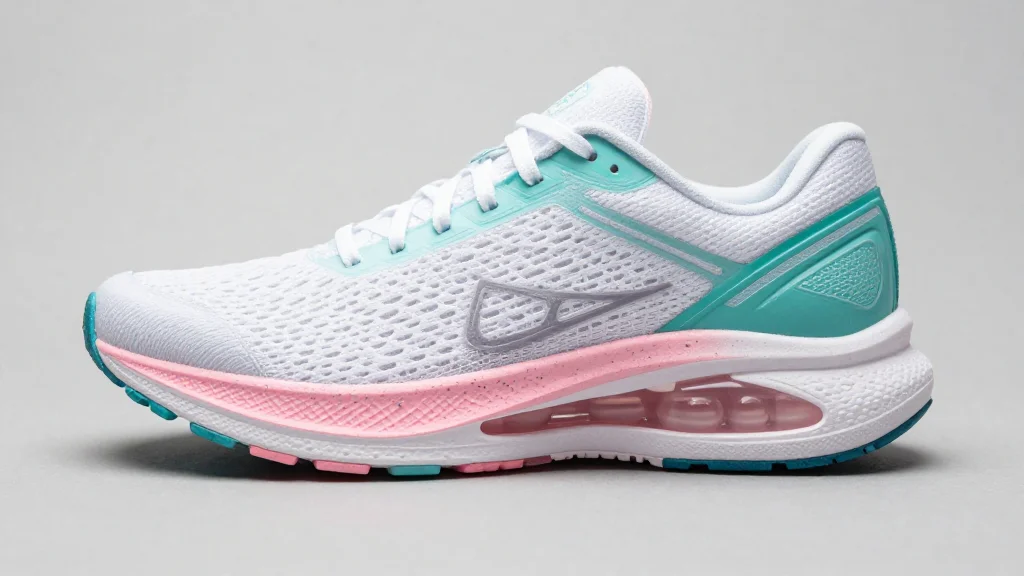
Nike Unveils Pegasus 42, First Major Update to Its Flagship Trainer Since 2024

Why It Matters
The Pegasus 42 represents a pivotal moment in the democratization of running‑shoe technology. By embedding a full‑length Air Zoom unit—once a hallmark of premium super shoes—into its best‑selling daily trainer, Nike blurs the line between entry‑level comfort and elite performance. This could raise consumer expectations for cushioning and responsiveness across the entire running‑shoe segment, prompting rivals to accelerate their own technology trickle‑down strategies. For athletes, the update offers a tangible performance boost without requiring a switch to a higher‑priced model. The hidden spring‑like element may improve running economy for distance runners, potentially influencing training outcomes and race times. At a market level, the move could shift sales dynamics, as the Pegasus line’s massive volume may now carry higher margins and reinforce Nike’s dominance in the global running‑shoe market.
Key Takeaways
- •Nike released the Pegasus 42 on April 9, the first major update since 2024.
- •The shoe hides a full‑length Air Zoom unit inside ReactX foam for a spring‑like feel.
- •Elliot Heath, Nike senior footwear expert, highlighted the propulsive benefit of the new design.
- •Pegasus 42 retains the classic 37mm heel stack and 10mm drop, preserving its familiar ride.
- •Launch price is expected around $130‑$150, positioning it at the high end of mainstream runners.
Pulse Analysis
Nike’s decision to integrate a concealed Air Zoom unit into the Pegasus 42 reflects a strategic shift toward technology diffusion. Historically, Nike reserved such innovations for limited‑edition or high‑price models, creating a tiered ecosystem that encouraged aspirational upgrades. By moving the tech downmarket, Nike not only enhances the perceived value of its flagship trainer but also strengthens brand loyalty among runners who might otherwise migrate to competitors offering similar performance at comparable price points.
The move also signals a response to the super‑shoe arms race that has dominated the running market since 2021. Brands have been racing to embed carbon plates, thick foam stacks, and proprietary cushioning in their top models, driving up prices and creating a performance gap. Nike’s hidden Air Zoom unit offers a subtler, lighter‑weight alternative that can be marketed as a “daily driver” with a performance edge, potentially mitigating the backlash from runners who feel priced out of the latest tech. If consumer sentiment validates the promised propulsion, Nike could set a new benchmark for what constitutes a “premium” daily trainer, prompting rivals to rethink their own product roadmaps.
Looking ahead, the Pegasus 42 could serve as a testbed for further innovations. Nike may monitor wear data and feedback to refine the ReactX foam blend, adjust the Air Zoom geometry, or experiment with lighter upper materials. Success could accelerate the rollout of similar hidden‑cushion platforms across other Nike lines, reinforcing the brand’s position as a technology leader while maintaining the mass‑market appeal that has kept the Pegasus series at the top of sales charts for decades.
Nike Unveils Pegasus 42, First Major Update to Its Flagship Trainer Since 2024
Comments
Want to join the conversation?
Loading comments...