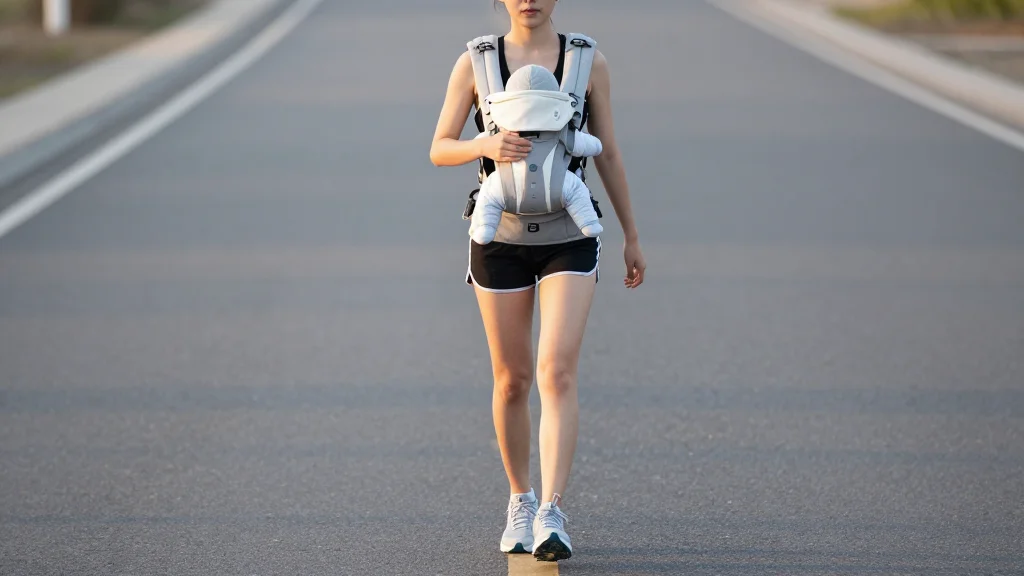
Olympian Molly Huddle Completes Marathon Six Months Postpartum, Highlights Stroller‑Friendly Course

Why It Matters
Molly Huddle’s postpartum marathon finish shines a spotlight on the intersection of elite sport and maternal health, demonstrating that high‑performance athletes can safely return to competition within months of childbirth when given appropriate support. The event’s design—stroller‑friendly routes, lactation stations, and frequent bathroom stops—offers a blueprint for race organizers aiming to attract the expanding market of female runners, particularly new mothers who have historically faced logistical barriers. Beyond individual inspiration, the race signals a broader commercial opportunity. Brands and event promoters that prioritize family‑centric amenities can differentiate themselves in a crowded marathon calendar, potentially boosting registration numbers and sponsorship revenue. As more athletes share similar stories, the industry may see a wave of policy changes, from revised qualifying standards to enhanced medical guidance for postpartum competitors.
Key Takeaways
- •Molly Huddle ran the Every Woman's Marathon six months after giving birth
- •The race featured stroller‑friendly routes and dedicated lactation stations
- •Organized by Team Milk, the event emphasized a "by women for women" ethos
- •Huddle highlighted practical amenities like frequent bathroom stops and body‑glitter culture
- •Postpartum participation could unlock new growth in the $6 billion U.S. running market
Pulse Analysis
Molly Huddle’s high‑profile return to marathon racing is more than a personal milestone; it is a catalyst for systemic change in the endurance sport ecosystem. Historically, marathon organizers have catered to a homogeneous elite demographic, often overlooking the unique needs of postpartum athletes. Huddle’s endorsement validates a market segment that has been under‑served: mothers seeking to blend fitness goals with family responsibilities. This validation is likely to accelerate investment in race‑day infrastructure—stroller lanes, lactation rooms, and family‑friendly pacing groups—mirroring trends seen in the broader wellness industry where personalization and inclusivity drive consumer loyalty.
From a competitive standpoint, race directors who fail to adopt mother‑centric features risk losing a sizable share of registrants to events that do. The Every Woman's Marathon’s partnership with Team Milk illustrates how strategic brand collaborations can amplify messaging around maternal health, creating a virtuous loop of sponsorship and participant engagement. As sponsors increasingly align with social causes, we can expect more partnerships that spotlight postpartum fitness, potentially reshaping the sponsorship landscape that traditionally favored male‑dominant narratives.
Looking ahead, the ripple effect of Huddle’s story may extend to policy. Athletic governing bodies could revise return‑to‑sport guidelines, incorporating evidence‑based timelines that reflect the capabilities of postpartum athletes. Moreover, the growing visibility of mother‑friendly races may inspire grassroots organizers to embed similar amenities, democratizing access beyond marquee events. In sum, Huddle’s marathon finish is a bellwether for a more inclusive, commercially vibrant future for distance running, where the finish line welcomes not just elite competitors but also the families that support them.
Olympian Molly Huddle Completes Marathon Six Months Postpartum, Highlights Stroller‑Friendly Course
Comments
Want to join the conversation?
Loading comments...