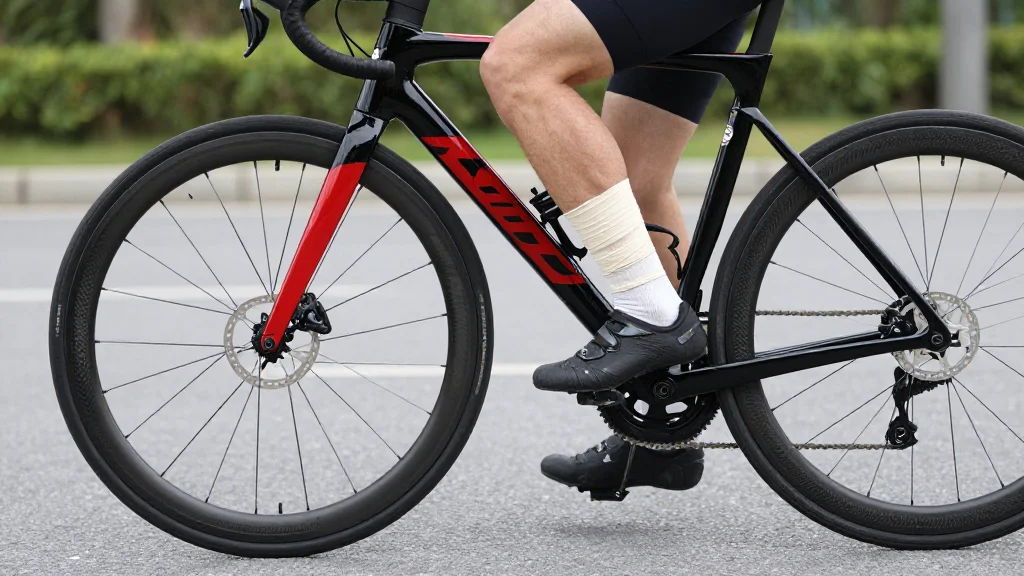
Olympic Champion Sir Chris Hoy Returns to Cycling After Leg Fracture

Why It Matters
Sir Chris Hoy’s swift return to cycling provides a high‑profile example of effective post‑injury rehabilitation, reinforcing the value of early, guided physiotherapy for complex fractures. His openness about the challenges of aging, injury, and a concurrent cancer battle adds depth to the conversation around holistic athlete health, encouraging fitness enthusiasts to adopt realistic recovery goals and seek professional support. Moreover, his public updates serve as motivational content that can boost adherence to rehab programs among the broader public. The visibility of a celebrated Olympian navigating a serious injury also spotlights the need for accessible resources—such as specialized physiotherapy and community support—for everyday athletes. As more people engage in high‑intensity outdoor sports, Hoy’s experience may influence industry stakeholders to develop tailored recovery products and services, from adaptive cycling equipment to digital rehab tracking platforms.
Key Takeaways
- •Sir Chris Hoy completed his first group ride five months after a November leg fracture.
- •He posted Instagram photos showing a 1,400‑metre climb in the Trough of Bowland.
- •Hoy said his fitness is “coming back slowly but surely” ahead of a Gleneagles event.
- •Recovery involved hospital stay, pins, crutches, physiotherapy and an early return to an exercise bike.
- •His public rehab journey offers a template for athletes managing injury and chronic illness.
Pulse Analysis
Sir Chris Hoy’s comeback illustrates a shift in how elite athletes approach post‑injury timelines. Historically, high‑profile cyclists with similar fractures have been sidelined for six months to a year, often returning to low‑intensity training before tackling climbs. Hoy’s rapid progression—moving from an exercise bike two weeks post‑op to a 1,400‑metre ascent in five months—suggests that modern physiotherapy protocols, combined with personalized load management, can compress traditional recovery windows. This could pressure sports medicine providers to adopt more aggressive, yet evidence‑based, rehab pathways.
The narrative also underscores the growing role of social media in shaping public perception of injury recovery. By sharing granular details of his physiotherapy and emotional state, Hoy demystifies the rehab process, potentially reducing stigma around slower recoveries and encouraging fans to seek professional guidance rather than self‑prescribe. Brands in the fitness space may capitalize on this trend, offering transparent, data‑driven recovery solutions that align with the authenticity Hoy displays.
Looking forward, Hoy’s upcoming participation in the Gleneagles weekend will serve as a litmus test for his functional readiness. Success could validate accelerated rehab models, while any setbacks would reinforce the need for caution. Either outcome will feed into a broader industry dialogue about balancing performance ambitions with long‑term health, especially for athletes navigating concurrent health challenges such as cancer. The industry’s response—whether through new rehab tech, adaptive equipment, or educational campaigns—will likely shape the next wave of athlete‑centric fitness solutions.
Olympic Champion Sir Chris Hoy Returns to Cycling After Leg Fracture
Comments
Want to join the conversation?
Loading comments...