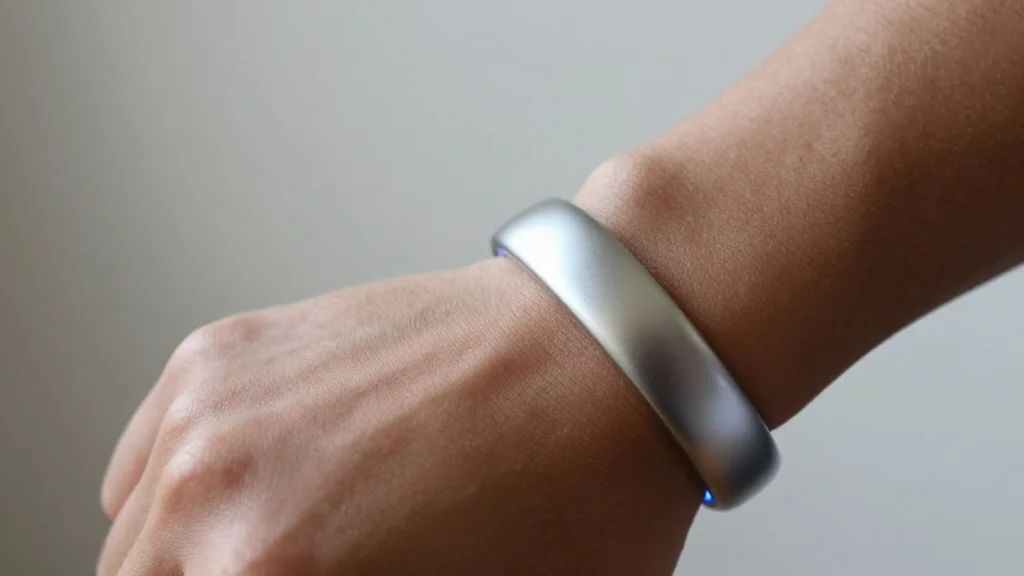
Oura Health Files Confidential IPO, Targeting Late 2026 Listing Amid Wearable Health Boom

Companies Mentioned

Why It Matters
Oura’s IPO filing underscores the maturation of wearable health technology from niche gadgets to investable platforms with recurring revenue and defensible IP. A successful public debut could validate the premium valuations typically reserved for data‑rich health‑tech firms, encouraging other wearable makers to pursue similar paths. Moreover, the company’s aggressive patent enforcement signals a shift toward more litigious competition in the wearables arena, potentially raising barriers to entry for new entrants. The filing also reflects broader market dynamics: investors are increasingly comfortable backing consumer‑focused health solutions that blend hardware with subscription services. If Oura secures a favorable multiple, it may set a benchmark for future listings, influencing capital allocation across the fitness and wellness sector and accelerating consolidation among device manufacturers and health‑data platforms.
Key Takeaways
- •Oura Health confidentially filed an IPO prospectus, targeting a late‑2026 public debut.
- •More than 80% of members renew their subscription after the first year, highlighting strong recurring revenue.
- •The company boasts partnerships with over 1,200 health, wellness and commercial brands and distribution in 4,600 retail locations.
- •Oura’s patent portfolio covers core smart‑ring architecture, with ITC rulings against competitors like Ultrahuman.
- •The filing arrives amid a revived IPO window for profitable tech firms and follows similar sports‑tech listings such as Strava.
Pulse Analysis
Oura’s move to go public marks a watershed moment for the wearable health sector, where the line between consumer electronics and health platforms is increasingly blurred. Historically, wearables have been judged on hardware sales alone, yielding modest valuations. Oura’s subscription model, combined with a high renewal rate, offers a recurring‑revenue narrative that aligns more closely with software‑as‑a‑service businesses, which traditionally enjoy higher multiples. This hybrid approach could recalibrate investor expectations for the entire category, prompting rivals to explore subscription add‑ons or data‑licensing deals to boost stickiness.
The company’s aggressive IP strategy further differentiates it. By securing import bans and licensing agreements, Oura has turned its engineering constraints into a competitive moat. While litigation carries risk—especially if appellate courts narrow the patent scope—the mere existence of a defended patent estate may deter new entrants and force incumbents to innovate around Oura’s design. This could lead to a fragmentation of form‑factor innovation, with competitors either shifting to bands or developing alternative ring architectures that avoid Oura’s patents.
Finally, the timing of Oura’s filing is strategic. The reopening of the IPO window after a two‑year freeze has unleashed a wave of capital hungry for growth stories with clear monetization pathways. Oura’s early positioning within this window could capture investor enthusiasm before the market becomes crowded. If the IPO succeeds, it may catalyze a cascade of listings from other fitness‑tech firms, accelerating consolidation and potentially prompting larger tech conglomerates to acquire niche wearables to bolster their health‑data portfolios. The outcome will shape not only Oura’s trajectory but also the broader competitive landscape of fitness technology.
Oura Health Files Confidential IPO, Targeting Late 2026 Listing Amid Wearable Health Boom
Comments
Want to join the conversation?
Loading comments...