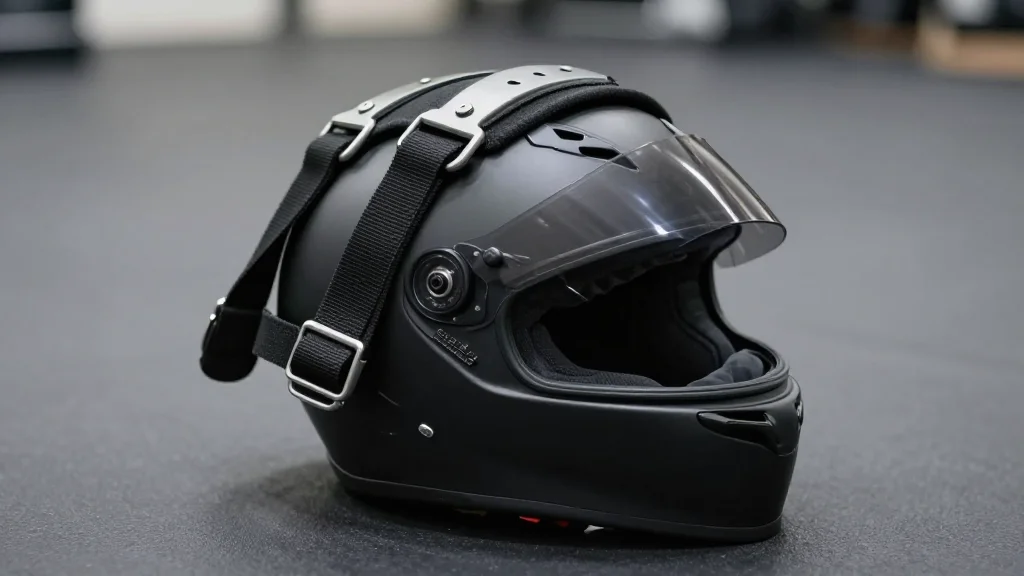
Physiological and Health Demands of Formula 1 Motor Racing: A Comprehensive Review with Driver Performance Coach Insight
Why It Matters
Understanding the unique physiological stresses on F1 drivers is critical for optimizing performance, reducing injury risk, and guiding evidence‑based training investments in a sport where marginal gains drive commercial success.
Key Takeaways
- •Drivers' aerobic fitness similar to average athletes
- •Neck strength markedly higher than typical population
- •Heat and g‑force mitigation rely on anecdotal methods
- •Research gaps include porpoising impact on lower‑back health
Pulse Analysis
Formula 1 racing subjects drivers to extreme accelerations, rapid decelerations, and intense thermal loads, yet scientific insight into these stresses remains limited. The recent comprehensive review merges data from 25 peer‑reviewed studies with structured interviews of three seasoned performance coaches, offering a rare glimpse into the practical realities behind the sport’s high‑tech veneer. By cataloguing neuromuscular, metabolic, cardiovascular, and thermoregulatory responses, the paper underscores how much of the current knowledge base is fragmented and often confined within team silos.
Key findings reveal that, contrary to popular belief, F1 drivers do not possess superior aerobic capacity or distinct body composition compared with other elite athletes. Their most pronounced physiological adaptation is enhanced neck musculature, a critical defense against sustained g‑forces that can exceed 5 g during cornering. To counteract these forces and the cockpit’s heat, teams employ interventions such as targeted neck‑strength programs, heat‑acclimation protocols, and per‑cooling garments. However, many of these measures are grounded in experiential practice rather than rigorous, controlled research, highlighting a reliance on anecdotal evidence across the paddock.
The gap between practice and peer‑reviewed data presents both a risk and an opportunity. Coaches flagged emerging concerns like the "porpoising" phenomenon—oscillatory aerodynamic instability—that may elevate lower‑back injury risk, a topic scarcely examined in the literature. As F1 continues to push performance envelopes, systematic, longitudinal studies are essential to validate existing mitigation strategies and uncover new health‑preserving technologies. For teams, investors, and sports‑science firms, this knowledge gap signals a market for evidence‑based training solutions, wearable monitoring, and bespoke medical protocols that can translate marginal physiological gains into competitive advantage.
Physiological and health demands of Formula 1 motor racing: a comprehensive review with driver performance coach insight
Comments
Want to join the conversation?
Loading comments...