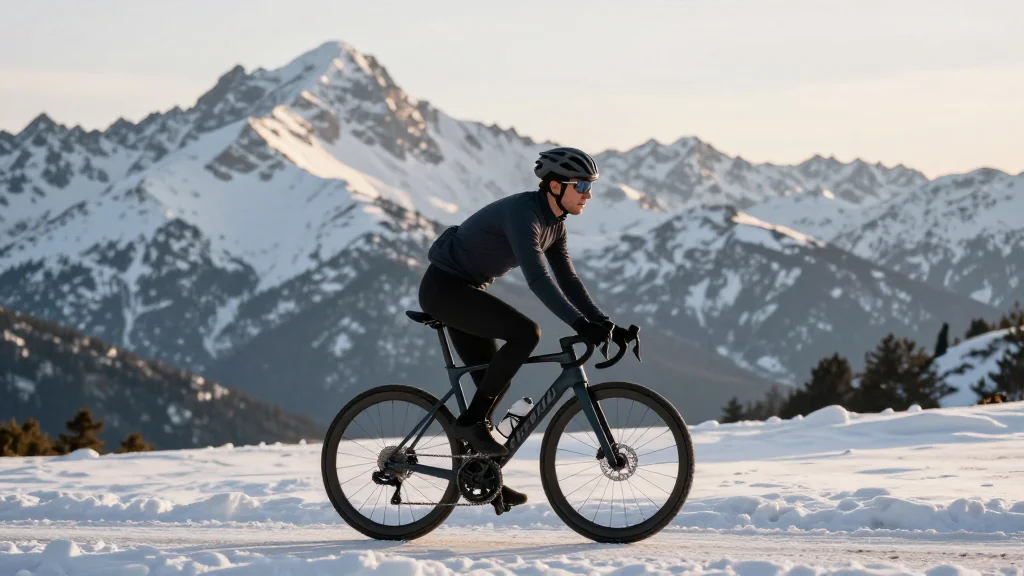
Pogačar Starts Altitude Camp in Sierra Nevada Ahead of Tour De France

Why It Matters
Altitude training has become a cornerstone of elite endurance preparation, offering physiological benefits such as increased red blood cell mass and improved oxygen utilization. Pogačar’s decision to base his build‑up in Sierra Nevada underscores the growing reliance on high‑altitude camps to gain marginal gains ahead of the sport’s most demanding events. For the broader fitness community, the move highlights how structured hypoxic exposure can be integrated into periodized training plans to boost performance. The camp also signals a strategic shift in race scheduling. By targeting the Tour de Suisse as a preparatory race, Pogačar and his team are testing form against WorldTour competition in a terrain that mimics many of the Tour de France’s mountain stages. This approach may influence how other top riders structure their pre‑Tour calendars, potentially elevating the Tour de Suisse’s status as a key indicator of Tour readiness.
Key Takeaways
- •Tadej Pogačar begins altitude camp in Sierra Nevada, Spain.
- •Camp follows a Classics season and a Tour de Romandie overall win.
- •UAE Team Emirates‑XRG manager Joxean Fernández Matxin confirms Tour de France focus.
- •Pogačar will make his first appearance at the Tour de Suisse starting June 17.
- •Team dismisses rumors of a Vuelta a España stage recon during the camp.
Pulse Analysis
Pogačar’s altitude camp reflects a broader trend where elite cyclists prioritize hypoxic training to shave seconds off climbing times. Historically, riders like Chris Froome and Geraint Thomas have used similar camps to dominate mountain stages, and the data suggests a measurable lift in VO₂ max after a two‑week stint above 2,000 metres. By choosing Sierra Nevada—a location with reliable high‑altitude terrain and mild winter conditions—Pogačar’s team minimizes weather disruptions while maximizing physiological stress.
The decision to slot the Tour de Suisse into his preparation is equally telling. The race offers a blend of high‑altitude climbs and technical descents that simulate the Tour de France’s demands. A strong performance there can serve as a confidence booster and a tactical rehearsal for team support structures. If Pogačar demonstrates dominance in the Swiss event, it could force rivals to recalibrate their own build‑up strategies, potentially shifting the pre‑Tour calendar toward more mountainous WorldTour races.
Looking forward, the success of this altitude block will be measured not just by Pogačar’s power numbers but by his race outcomes in June and July. Should he translate the physiological gains into podium finishes, it may cement altitude camps as an indispensable element of Grand Tour preparation, prompting sponsors and training facilities to invest further in high‑altitude infrastructure for professional and amateur athletes alike.
Pogačar Starts Altitude Camp in Sierra Nevada Ahead of Tour de France
Comments
Want to join the conversation?
Loading comments...