Powerlifter Amelia DeCoil Qualifies for USPA Ultra Nationals After Sobriety Turnaround

Why It Matters
Amelia DeCoil’s comeback illustrates how strength sports can serve as a catalyst for sobriety, mental health stability, and chronic disease management. Her narrative provides a tangible example for clinicians and fitness professionals advocating exercise as medicine, especially for women who have historically been under‑represented in powerlifting. By qualifying for a national championship, DeCoil also signals that competitive powerlifting is becoming more accessible to athletes of diverse body types, potentially expanding the sport’s market and encouraging gyms to develop inclusive programming. The story also raises awareness about the importance of support systems—both human and animal—in sustaining lifestyle changes. As fitness brands and health insurers look for evidence‑based interventions, DeCoil’s experience could inform new partnerships that integrate pet therapy and strength training into holistic wellness plans.
Key Takeaways
- •Amelia DeCoil, 32, qualified for the USPA Ultra Nationals after a year‑long sobriety journey.
- •She holds Utah state records in her weight class for both USPA and USA Powerlifting.
- •DeCoil works 70 hours a week across two jobs while maintaining a rigorous training schedule.
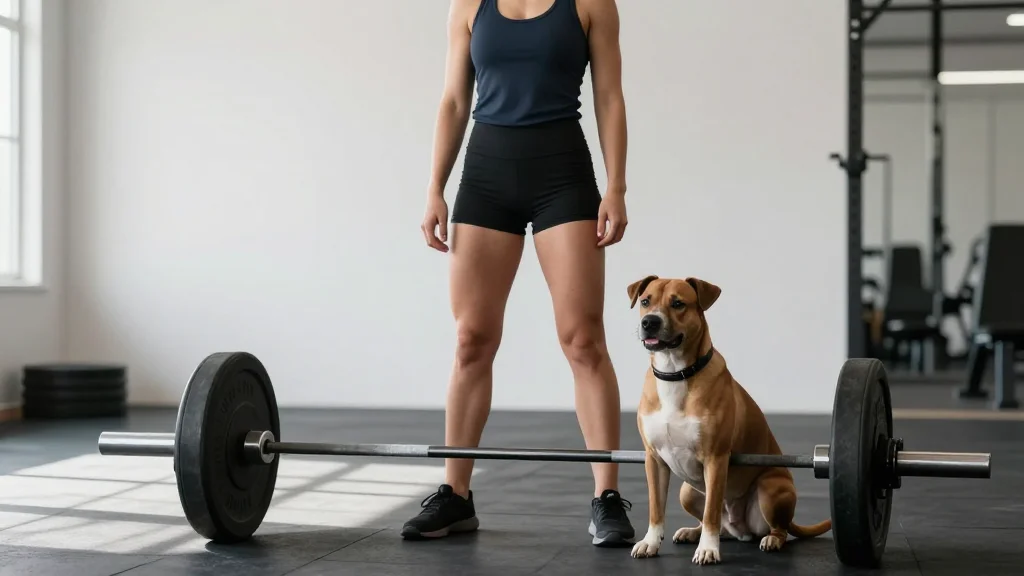
- •Her 12‑year‑old pit‑bull/Basset mix, Colby, was a pivotal factor in her decision to stop drinking.
- •Coach and mentor Andrew “Pops” Yerrakadu highlights her confidence despite being smaller than most competitors.
Pulse Analysis
DeCoil’s ascent underscores a growing intersection between elite strength sport and therapeutic health outcomes. Historically, powerlifting was marketed to a narrow demographic of large, male athletes. Over the past decade, however, the sport has seen a surge in female participation, driven by social media visibility and a broader cultural shift toward functional fitness. DeCoil’s story amplifies this trend, showing that personal narratives can be as compelling as podium finishes in attracting new lifters.
From a market perspective, gyms and equipment manufacturers are beginning to recognize the commercial potential of catering to smaller‑frame athletes. Adjustable barbell racks, lighter weight plates, and inclusive coaching certifications are emerging to meet this demand. DeCoil’s success at a national level could encourage sponsors to back athletes who break the traditional mold, thereby diversifying brand representation.
Looking ahead, the fitness industry may see more integrated wellness programs that pair strength training with mental health resources and pet‑assisted therapy. As insurers explore preventive health models, data points like DeCoil’s reduced hospital visits and improved chronic condition management could become case studies for reimbursable fitness prescriptions. In short, her journey is not just a personal triumph—it signals a broader evolution in how we view strength, health, and inclusivity in the fitness ecosystem.
Powerlifter Amelia DeCoil Qualifies for USPA Ultra Nationals After Sobriety Turnaround
Comments
Want to join the conversation?
Loading comments...