
Why It Matters
The clash between pro‑team taper practices and established scientific recommendations has ripple effects beyond elite cycling. Training‑app developers, sports‑medicine clinics, and supplement manufacturers all rely on consensus guidelines to shape product offerings and service models. If the short‑taper approach proves effective, it could accelerate a shift toward higher‑volume training regimes across amateur and semi‑professional athletes, potentially raising injury rates and altering the economics of recovery services. Conversely, a reaffirmation of the longer taper could reinforce the market for periodization tools and recovery technologies, preserving the current balance between performance and health. For coaches, the debate forces a reassessment of risk management. Teams that continue to push high volumes into race week may gain marginal performance edges, but they also expose riders to burnout and long‑term health concerns. Understanding the evidence base will be crucial for designing training plans that satisfy sponsors, athletes, and governing bodies alike.
Key Takeaways
- •Pro WorldTour teams are tapering to as few as two days before major races, maintaining ~20 hours/week training up to three days out.
- •A 2003 meta‑analysis recommends a 1‑2 week taper with a 40‑60% volume cut while keeping intensity constant.
- •Dylan van Baarle’s 2021 Dwars door Vlaanderen win is cited as a high‑profile success using a minimal taper.
- •Coaching platforms like JOIN.cc are adding AI‑driven taper modeling to address the controversy.
- •Upcoming endurance‑physiology conferences will feature direct debates between team directors and sports scientists.
Pulse Analysis
The current pro‑cycling taper controversy reflects a broader tension in elite sport: the lure of marginal gains versus the caution of evidence‑based practice. Historically, endurance disciplines have leaned on taper research dating back to the 1970s, which consistently showed performance peaks after a two‑week reduction in volume. However, the professional peloton operates in a hyper‑competitive environment where any perceived edge—no matter how small—can dictate contract renewals and sponsor exposure. The willingness to abandon a decade‑old protocol suggests that teams are either observing empirical benefits from short tapers or are betting on psychological confidence gains that are harder to quantify.
From a market perspective, the debate fuels demand for granular data analytics. If AI‑enabled platforms can demonstrate that a customized, shorter taper yields comparable or superior power outputs, they will capture a lucrative niche among teams seeking a data‑driven justification for their practices. Conversely, if forthcoming research validates the longer taper, we can expect a resurgence in recovery‑focused product lines and a possible regulatory push from federations to protect athlete health. Either outcome will reshape how training software, sports‑medicine providers, and equipment manufacturers position themselves within the endurance ecosystem.
Looking ahead, the key will be rigorous, sport‑specific trials that isolate taper length, volume, and intensity variables. Until such evidence emerges, coaches will likely continue to experiment, balancing the immediate pressure to win against the long‑term imperative of athlete sustainability. The resolution of this debate could set a new standard not only for cycling but for all endurance sports that grapple with the same performance‑health trade‑off.
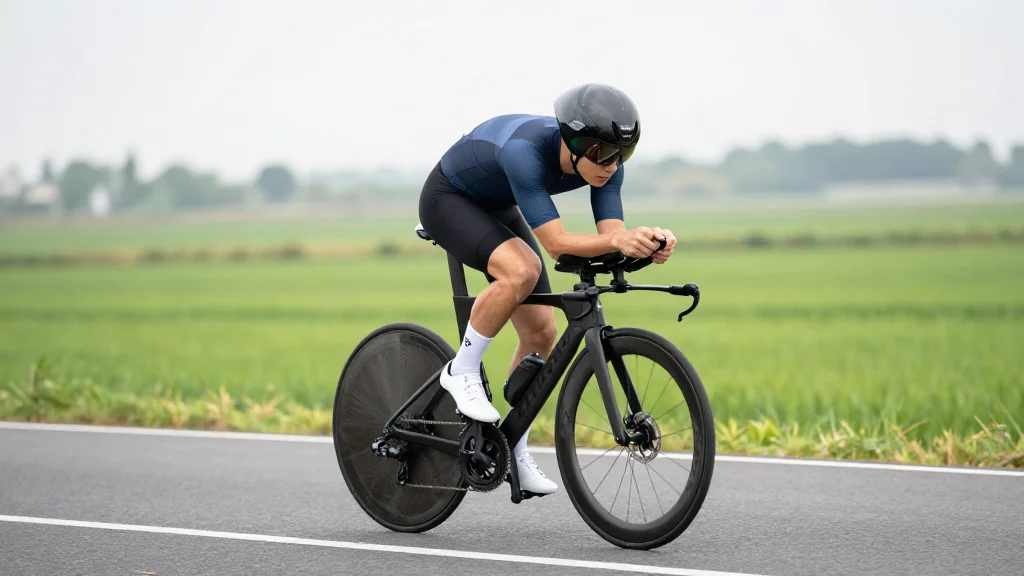
Pro Cyclists Cut Taper to Days, Defying Decade‑Old Science
Comments
Want to join the conversation?
Loading comments...