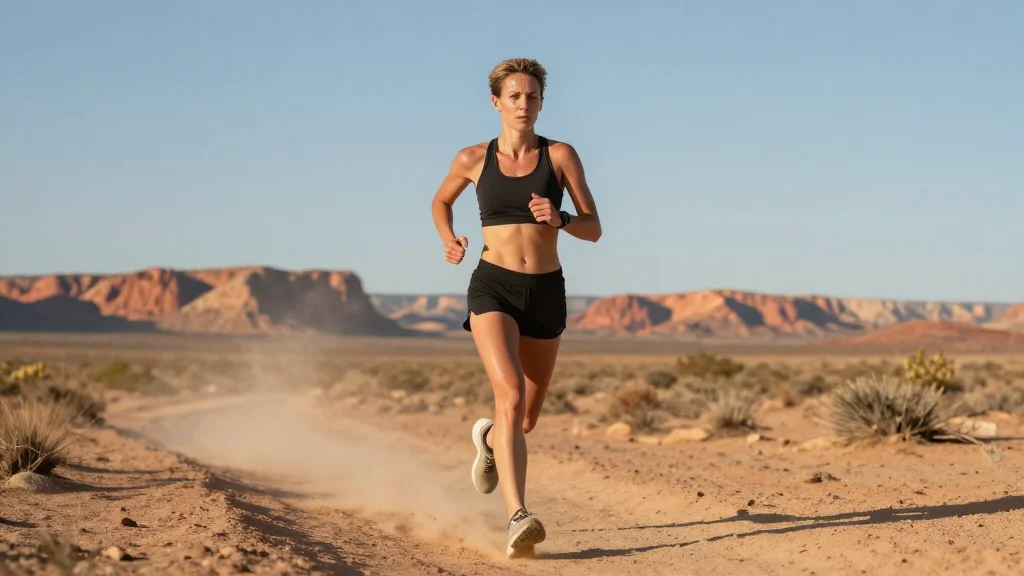
Rachel Entrekin Becomes First Woman to Win Arizona's Cocodona 250 Ultramarathon

Why It Matters
Entrekin’s victory reshapes the narrative around gender in ultra‑endurance sports, proving that women can not only compete with but also outpace the top men in the most demanding races. This milestone is likely to attract new sponsors eager to associate with groundbreaking athletes, thereby increasing financial support for women’s ultrarunning programs. Moreover, the record‑breaking time demonstrates that training methodologies and race‑day strategies are evolving, potentially raising the overall performance ceiling for the sport. The win also spotlights the logistical complexity of ultra‑marathons, from support crews to race‑day nutrition, offering a template for aspiring athletes. As more runners aim to replicate Entrekin’s success, race organizers may need to adapt safety protocols, aid station placements, and qualification criteria to accommodate a growing, more competitive field.
Key Takeaways
- •Rachel Entrekin finished Cocodona 250 in 56:09:48, the fastest overall time.
- •She became the first woman to win the race outright, beating all male competitors.
- •The previous overall record of 58:47:18 was shattered by over two hours.
- •Course: 253.3 miles, 38,791 ft elevation gain, 33,884 ft descent, 125‑hour limit.
- •Entrekin’s win may drive increased sponsorship and media focus on female ultrarunners.
Pulse Analysis
Entrekin’s breakthrough arrives at a pivotal moment for ultrarunning, a sport that has seen steady growth in participation but still grapples with gender equity. Historically, women have dominated ultra‑distance events in terms of endurance, yet mixed‑gender podiums have been rare. By eclipsing the men’s field, Entrekin forces a reevaluation of performance expectations and could catalyze a shift in how race organizers allocate prize money and media exposure.
From a market perspective, the ultramarathon segment is attracting a niche but affluent demographic, with entry fees ranging from $1,695 to $1,845 and sponsorships from outdoor apparel brands. Entrekin’s high‑profile win offers a compelling narrative for brands seeking authentic stories of perseverance and breaking barriers. Expect a surge in partnership inquiries and possibly new product lines tailored to female ultrarunners, from lightweight hydration packs to gender‑specific recovery gear.
Looking forward, the ripple effect of this victory may extend beyond the Cocodona 250. Other marquee events—such as the Western States 100 and the Ultra‑Trail du Mont‑Blanc—could see heightened competition from women aiming to replicate Entrekin’s feat. The sport’s governing bodies might also consider revising qualification standards to ensure a more balanced field. Ultimately, Entrekin’s win is not just a personal triumph; it is a catalyst that could accelerate the professionalization and inclusivity of ultrarunning over the next decade.
Rachel Entrekin Becomes First Woman to Win Arizona's Cocodona 250 Ultramarathon
Comments
Want to join the conversation?
Loading comments...