Key Takeaways
- •Follow medical advice; pause aggravating exercises
- •Use step loading for gradual strength return
- •Keep reps in reserve; avoid training to failure
- •Prioritize volume over maximal load early on
- •Warm up with body‑weight chin‑ups before weighted sets
Summary
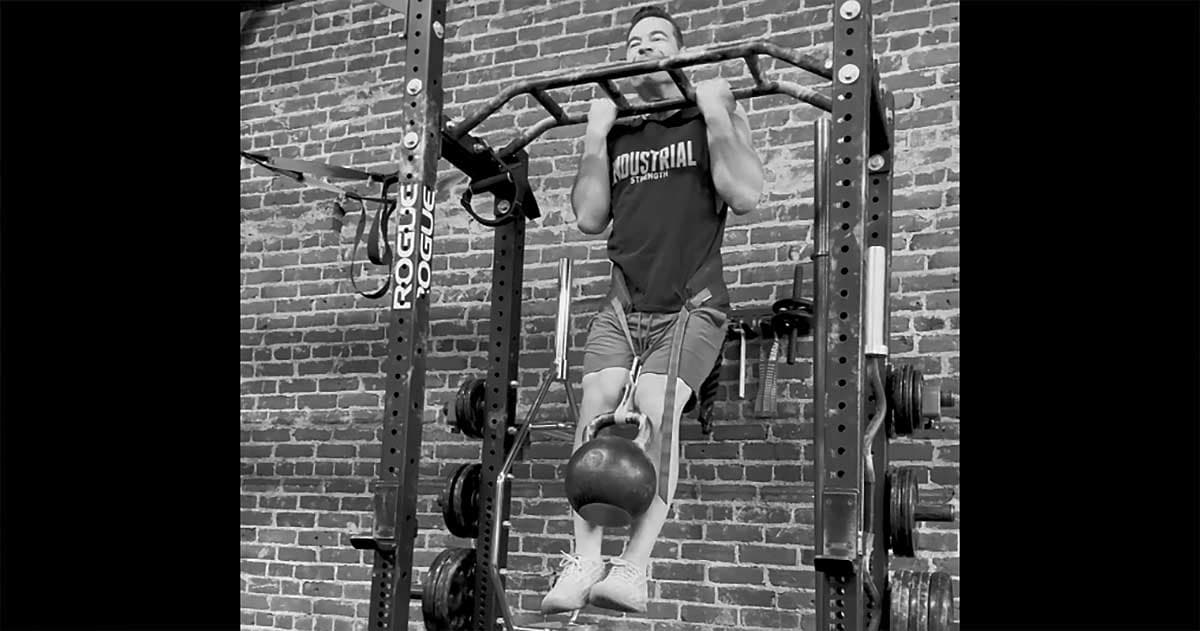
Tony Gracia, a StrongFirst senior instructor, suffered a mysterious right‑arm weakness that sidelined his weighted chin‑up routine. After extensive medical testing, he focused on neck‑related rehab, paused all high‑intensity lifts for three months, and then employed a step‑loading protocol to rebuild strength. By progressively increasing load while staying well below failure, he moved from 12 kg to 24 kg over three months and successfully performed a 48 kg “Beast” chin‑up on his 40th birthday. The plan combined disciplined volume work, careful warm‑ups, and strict adherence to medical guidance.
Pulse Analysis
Injury is an inevitable risk for anyone engaged in high‑intensity strength training, but the path to recovery often determines whether an athlete returns stronger or quits permanently. Gracia’s experience underscores the importance of early medical evaluation and strict compliance with professional advice. By halting all potentially aggravating movements for three months, he allowed inflamed tissues to heal and avoided compounding the underlying cervical issue that manifested as arm weakness. This disciplined pause, though frustrating, laid the foundation for a controlled rehabilitation process.
The core of Gracia’s comeback was a step‑loading strategy, a concept popularized by Pavel Tsatsouline and detailed in *Kettlebell Simple & Sinister*. Instead of jumping to heavy loads, he maintained a moderate weight until it felt easy, then incrementally increased the resistance. Over three months he progressed from 12 kg to 24 kg, always leaving a rep in reserve and avoiding failure. This method minimizes the risk of re‑injury while exploiting the body’s adaptive capacity, leveraging volume to reinforce neuromuscular pathways without overtaxing recovering tissues.
For coaches, gym owners, and strength‑sport athletes, Gracia’s roadmap offers a scalable template: secure medical clearance, implement step loading, prioritize sub‑maximal volume, and incorporate consistent body‑weight warm‑ups. These principles not only accelerate safe return to performance but also enhance long‑term durability, reducing future downtime. As the fitness industry increasingly emphasizes evidence‑based programming, integrating such rehab protocols can differentiate premium training services and improve client outcomes.
Comments
Want to join the conversation?