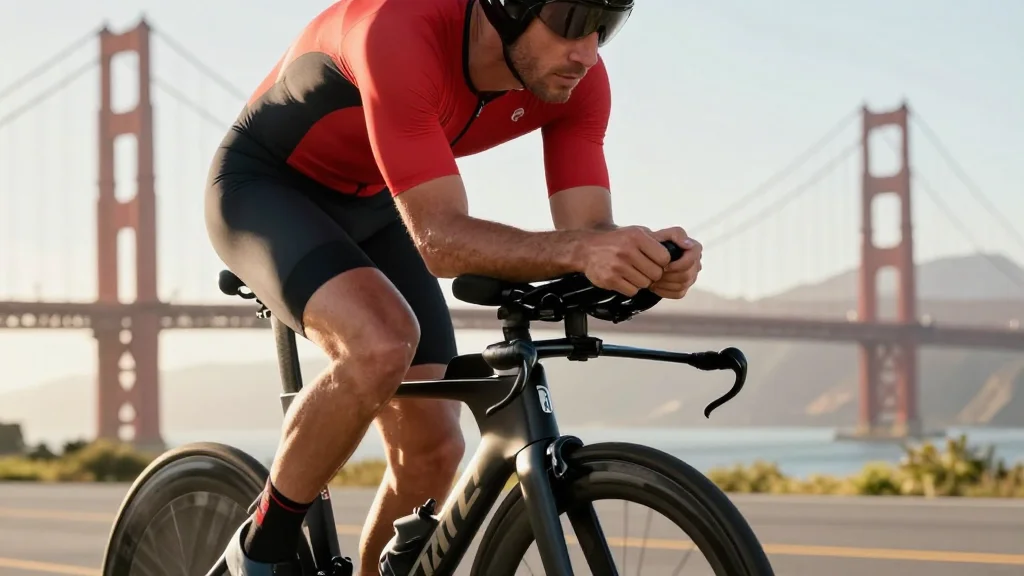
Rico Bogen Defends T100 San Francisco Title, Wins by Over 2 Minutes

Why It Matters
Bogen’s back‑to‑back victories at T100 San Francisco illustrate how course‑specific mastery can dictate outcomes in elite triathlon, prompting athletes to customize training regimens around bike power and transition efficiency. The race also underscores the fragility of performance when health issues arise, as seen with Hayden Wilde, reinforcing the need for robust medical and recovery strategies in endurance sport. For the broader fitness community, the event highlights the value of periodized training that blends high‑intensity power work with technical skill development. As more recreational triathletes emulate elite practices, gyms and coaching platforms are likely to expand programs focused on bike wattage, transition drills, and illness prevention, driving growth in specialized fitness services.
Key Takeaways
- •Rico Bogen defended his T100 San Francisco title with a winning margin of over two minutes.
- •Bogen described his bike effort as "pushing even harder than last year," creating a three‑minute gap.
- •Hayden Wilde, hampered by a recent illness, finished well behind the leaders and praised Bogen’s performance.
- •Lasse Nygaard Priester received a 30‑second equipment penalty, widening the gap to Bogen.
- •The race emphasized the importance of bike power and transition discipline in elite triathlon.
Pulse Analysis
Bogen’s repeat win at T100 San Francisco signals a shift toward hyper‑specialization in elite triathlon. Historically, athletes have aimed for balanced proficiency across swim, bike, and run, but Bogen’s strategy—maximizing bike wattage on a course that rewards raw power—demonstrates that a single discipline can become a decisive advantage when the terrain aligns. This mirrors trends in road cycling, where riders target specific Grand Tour stages that suit their strengths. For triathlon, the implication is clear: training programs will increasingly allocate disproportionate time to the segment that offers the greatest time‑gain potential, especially when race organizers design courses with pronounced terrain features.
The incident with Priester’s equipment penalty also adds a regulatory dimension to performance. As penalties become more visible, athletes and coaches will likely invest in meticulous transition rehearsals, treating the T1/T2 zones as extensions of the race rather than afterthoughts. This could spur a niche market for transition‑specific gear and coaching services, further commercializing the sport.
Finally, Wilde’s candid post‑race comments about battling illness highlight a growing awareness of health management in endurance sports. Sponsors and governing bodies may push for stricter health monitoring protocols, potentially integrating wearable technology that flags early signs of infection. Such measures could reduce the frequency of high‑profile withdrawals and preserve the competitive integrity of marquee events like the T100 series.
Rico Bogen Defends T100 San Francisco Title, Wins by Over 2 Minutes
Comments
Want to join the conversation?
Loading comments...