Runners, You Need These Single-Leg Exercises on Your Schedule
Why It Matters
Single‑leg training addresses the unilateral nature of running, directly enhancing gait efficiency and injury resilience, which translates into faster race times and fewer missed workouts.
Key Takeaways
- •Single‑leg moves boost stability, power, and running speed
- •Recommended 4 sets of 8 reps per exercise weekly
- •Exercises need only a bench, dumbbell/kettlebell, and mat
- •Unilateral training reduces injury risk and improves foot muscle strength
Pulse Analysis
Running is fundamentally a one‑leg‑at‑a‑time activity, yet many training plans still prioritize long‑distance mileage over targeted strength work. Recent sports‑science research shows that unilateral conditioning improves motor control, balance, and force production on each side of the body, directly translating to a more efficient gait cycle. As a result, elite and recreational runners alike are adding single‑leg drills to their programs to close the gap between cardio endurance and muscular readiness, a trend that has gained momentum on podcasts, coaching blogs, and elite training camps.
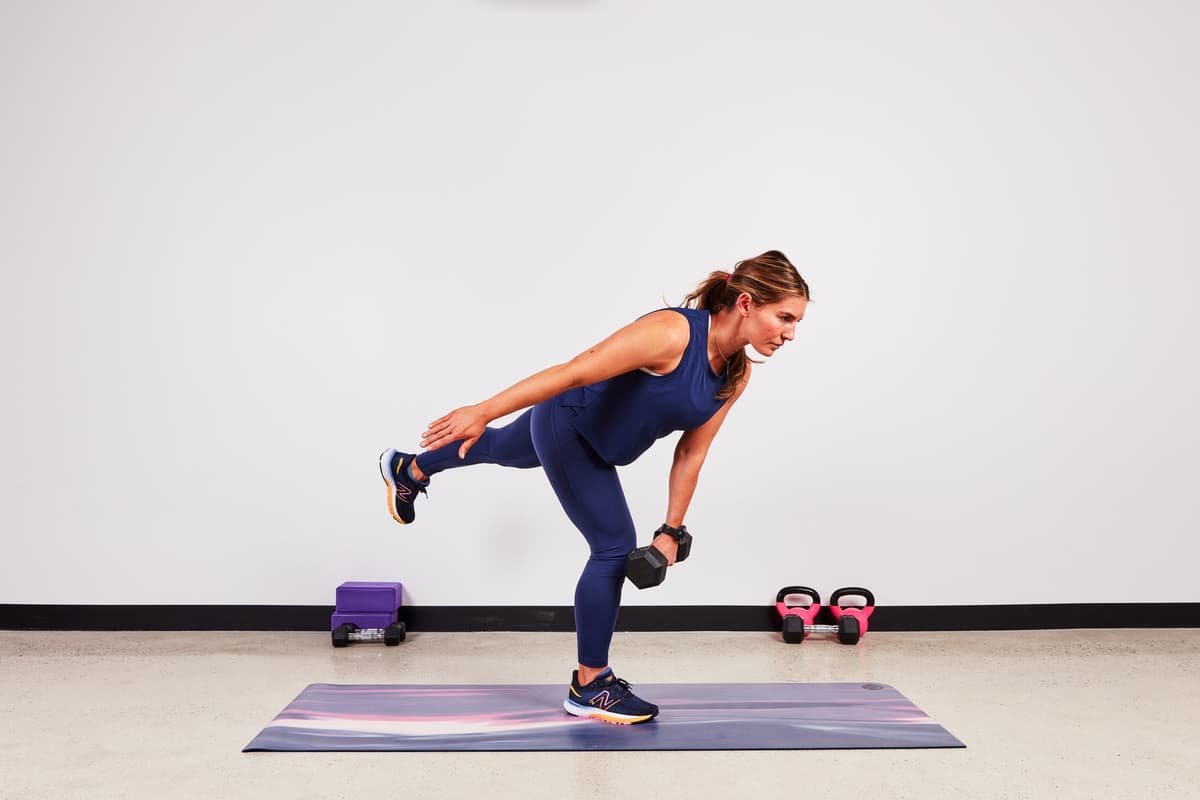
The five exercises highlighted—single‑leg glute bridge, Romanian deadlift, step‑up, single‑leg squat, and Bulgarian split squat—cover the primary movement patterns runners use daily: hip extension, knee stabilization, and ankle control. Each exercise can be performed with minimal equipment: a sturdy bench or chair, a pair of dumbbells or kettlebells, and an optional mat. By prescribing four sets of eight repetitions, the routine balances volume and intensity, making it suitable for a dedicated strength day once per week. Training barefoot, as suggested, further engages intrinsic foot muscles, enhancing proprioception and reducing reliance on supportive footwear during runs.
Integrating unilateral strength work yields measurable performance benefits. Runners report reduced perception of leg heaviness, quicker turnover, and a noticeable lift in race pace after just a few weeks. More importantly, the targeted load on each limb helps correct asymmetries that often lead to overuse injuries such as IT‑band syndrome or patellofemoral pain. Coaches are encouraged to periodize these sessions alongside mileage blocks, using them as a preventive tool during high‑volume phases and as a performance catalyst in the build‑up to key races.
Runners, You Need These Single-Leg Exercises on Your Schedule
Comments
Want to join the conversation?
Loading comments...