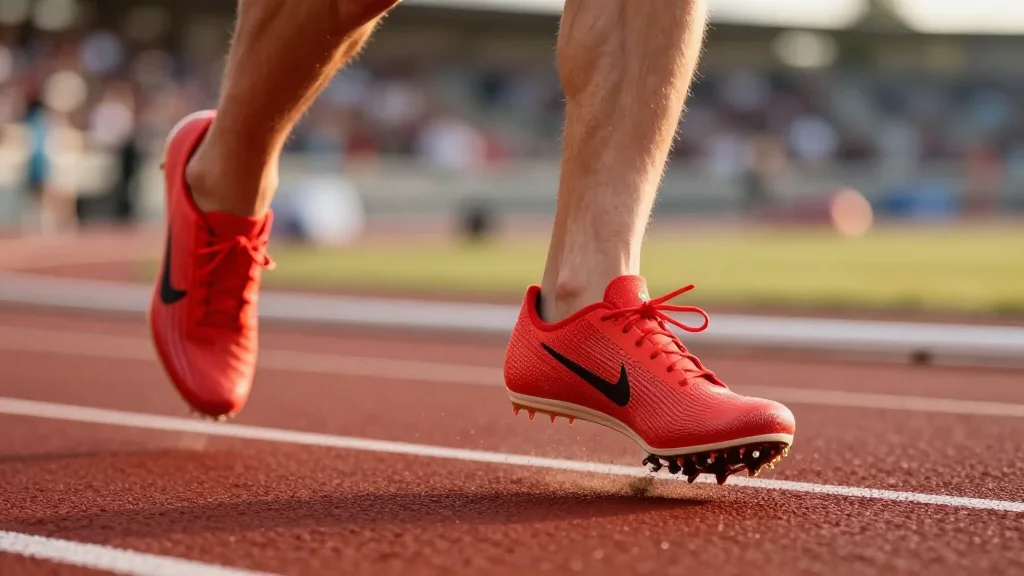
Sam Blaskowski Clocks 9.89s to Become Fastest White Sprinter in History

Why It Matters
Blaskowski’s 9.89‑second dash bridges the gap between collegiate sprinting and elite global competition, offering a tangible case study for how advanced speed training can accelerate performance. For the fitness industry, the result validates the growing market for sprint‑specific coaching, wearable tech that monitors biomechanics, and strength‑conditioning programs that mimic elite protocols. Moreover, the achievement challenges entrenched narratives about genetic limits in sprinting, suggesting that systematic training can produce world‑class times regardless of background. The broader impact extends to talent pipelines. College programs, especially at the Division III level, may reassess their support structures, investing more in sport‑science resources to nurture hidden talent. Meanwhile, sponsors and apparel brands could see a new endorsement avenue in athletes who break traditional barriers, expanding the commercial appeal of sprinting beyond the usual marquee names.
Key Takeaways
- •Sam Blaskowski ran 9.89 seconds (+1.5 m/s) in the 100 m at Nashville's Music City Track Carnival.
- •The time makes him the fastest white sprinter ever, surpassing Christophe Lemaitre's 9.92 from 2011.
- •Blaskowski’s performance ties him for #2 globally in 2026 and ranks 54th all‑time.
- •He is training under Dennis Mitchell’s Star Athletics group, emphasizing speed mechanics and power work.
- •The result sparks debate on the transferability of elite sprint training to broader fitness and biomechanics communities.
Pulse Analysis
Blaskowski’s breakthrough underscores a pivotal shift in how sprint performance is cultivated outside traditional powerhouses. Historically, elite 100 m times have emerged from NCAA Division I pipelines or professional clubs with deep financial backing. Blaskowski, a Division III alumnus, leveraged a boutique training environment—Star Athletics—to achieve a sub‑10 performance that rivals Olympic finalists. This suggests that the marginal gains once thought exclusive to high‑budget programs can now be accessed through targeted coaching, data‑driven biomechanics, and individualized strength regimens.
From a market perspective, the performance is likely to accelerate demand for sprint‑specific training services. Gyms and boutique studios are already rolling out “speed labs” that combine resisted sprinting, plyometrics, and motion‑capture analysis. Blaskowski’s case provides a real‑world validation that such services can produce measurable results, prompting investors to fund startups that blend AI‑based gait analysis with personalized coaching platforms.
Looking forward, the key question is sustainability. Wind‑legal performances under 10 seconds remain rare in the U.S., and replicating a 9.89 under neutral conditions will be the true test of Blaskowski’s training model. If he can consistently post sub‑10 times, it could reshape talent identification, prompting scouts to widen their search to lower‑division athletes and to prioritize biomechanical potential over raw collegiate accolades. The ripple effect may also influence how national governing bodies allocate resources, potentially diverting funding toward high‑tech training hubs that democratize access to elite sprint methodologies.
Sam Blaskowski clocks 9.89s to become fastest white sprinter in history
Comments
Want to join the conversation?
Loading comments...