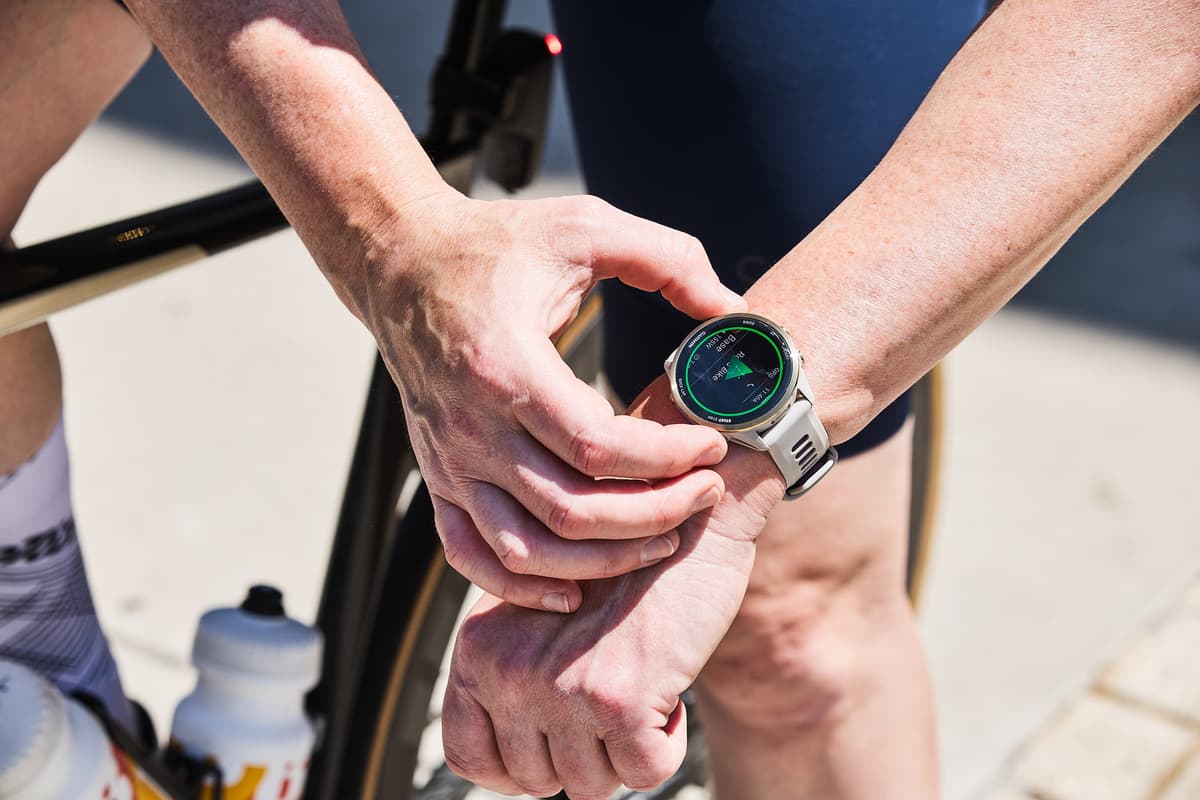
Skip the Bike Computer: 7 Editor-Tested Garmin Watches Cyclists Should Actually Buy
Companies Mentioned
Why It Matters
Smartwatches consolidate multi‑sport tracking, navigation and connectivity, letting cyclists shed bulky head units while still capturing detailed performance data. This shift reshapes the cycling accessories market and expands Garmin’s reach beyond dedicated bike computers.
Key Takeaways
- •Forerunner 970 offers extensive sport profiles and triathlon mode.
- •Venu 4 balances style with 12‑day battery, easy navigation.
- •Fēnix 8 Pro adds satellite LTE, ideal for backcountry rides.
- •Enduro 3 provides up to 36 days smartwatch battery for ultra‑endurance.
- •Forerunner 70 delivers affordable cycling features, but lacks power‑meter support.
Pulse Analysis
Smartwatches have moved from niche fitness gadgets to mainstream cycling tools, driven by advances in GPS accuracy, battery efficiency, and sensor integration. For cyclists who juggle road, gravel, mountain, and even non‑bike activities, a single wrist‑worn device eliminates the need to swap between multiple computers or apps. Garmin’s ecosystem, anchored by the Connect platform, offers seamless data syncing, making post‑ride analysis as simple as a tap on a phone. This convergence aligns with a broader trend toward minimalist gear that reduces on‑bike clutter while preserving data depth.
Garmin’s current portfolio addresses distinct rider personas. The Forerunner 970 targets performance‑focused athletes, delivering over a dozen cycling profiles and a dedicated triathlon mode that logs transitions without pausing. The Venu 4 appeals to style‑conscious commuters, pairing a sleek design with up to 12 days of battery life and intuitive navigation. For adventure seekers, the Fēnix 8 Pro integrates satellite LTE and inReach messaging, while the Enduro 3 pushes endurance limits with up to 36 days of smartwatch power and solar charging. Price points span roughly $250 for the entry‑level Forerunner 70 to $750 for the premium Forerunner 970, giving riders a clear cost‑benefit spectrum.
Choosing the right Garmin watch hinges on usage patterns and budget. Riders who need power‑meter compatibility or advanced navigation should gravitate toward the Forerunner 970 or Fēnix 8 Pro, accepting higher price tags for richer data. Casual cyclists and multi‑sport enthusiasts may find the Venu 4 or Enduro 3 sufficient, especially when battery longevity outweighs feature depth. As sensor technology and satellite connectivity mature, future Garmin models will likely blur the line between dedicated bike computers and all‑purpose smartwatches, reinforcing the wrist as the new hub for cycling performance.
Skip the Bike Computer: 7 Editor-Tested Garmin Watches Cyclists Should Actually Buy
Comments
Want to join the conversation?
Loading comments...