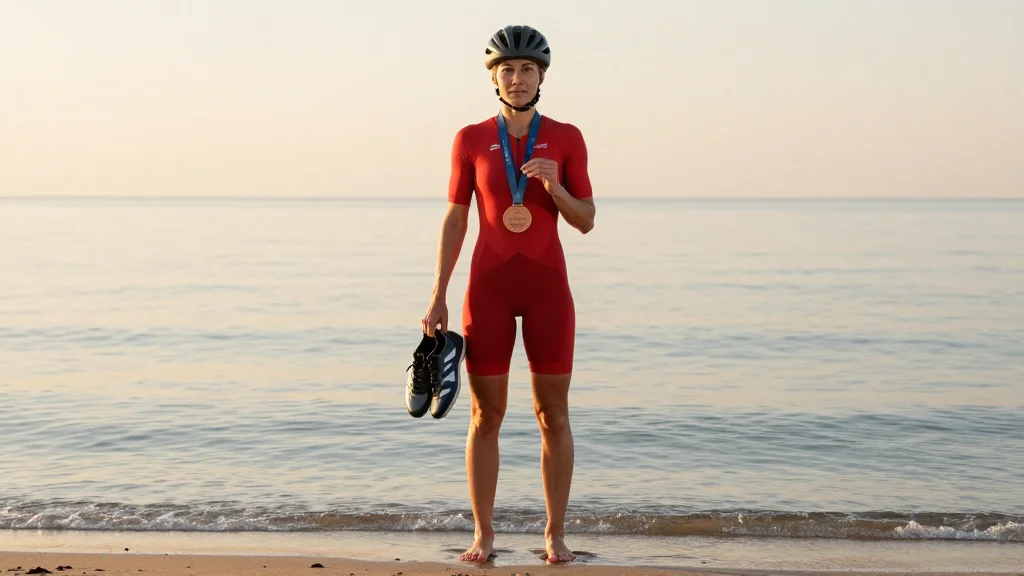
Solveig Lovseth Wins European Ironman Hamburg in 8:11:11 After Kona Triumph

Why It Matters
Lovseth’s rapid ascent underscores a shift in how elite female triathletes approach training, emphasizing a balance of speed work and endurance that can produce world‑class results in a short timeframe. Her victories also elevate the European Ironman brand, drawing global attention to races that were previously considered secondary to the Kona championship. The performance benchmarks set in Hamburg—particularly the sub‑9‑minute marathon after a demanding bike leg—provide concrete data points for coaches and athletes designing periodized training plans. As more women aim to replicate Lovseth’s success, the sport may see increased investment in sports science, nutrition, and recovery protocols tailored to long‑distance competition.
Key Takeaways
- •Solveig Lovseth won European Ironman Hamburg in 8:11:11, 1:18 ahead of Laura Philipp.
- •Victory follows Lovseth’s Ironman World Championship win in Kona and Ironman Texas title.
- •Lovseth overcame a 4:30 bike deficit to claim the lead during the marathon run.
- •European field featured top athletes like Holly Lawrence, Marjolaine Pierré, and Laura Philipp.
- •Her performance sets new benchmarks for elite women’s long‑distance triathlon.
Pulse Analysis
Lovseth’s Hamburg triumph is more than a personal milestone; it signals a broader evolution in elite women’s triathlon. Historically, the sport has been dominated by a handful of seasoned athletes who peak over multiple seasons. Lovseth’s rapid climb—world title, Texas win, and now European crown within months—suggests that modern training methodologies, including data‑driven pacing and targeted strength work, can accelerate performance curves. This could democratize the podium, allowing younger athletes to challenge established veterans earlier in their careers.
From a market perspective, Lovseth’s story offers a compelling narrative for sponsors seeking fresh faces with proven results. Brands that align with her could leverage her cross‑continental appeal, tapping into both North American and European audiences. Additionally, the heightened visibility of the European Ironman series may prompt race organizers to negotiate larger broadcast deals, further professionalizing the circuit. As the sport continues to attract higher-caliber athletes, we can anticipate a virtuous cycle of investment, performance, and fan engagement that propels women’s long‑distance triathlon into a new era of growth.
Looking forward, the key question is whether Lovseth can sustain this momentum against a field that will undoubtedly adapt. Competitors are already analyzing her split times and race tactics, likely to incorporate more aggressive bike strategies and marathon pacing drills. The next season will test whether her current dominance is a fleeting peak or the foundation of a lasting dynasty in the sport.
Solveig Lovseth Wins European Ironman Hamburg in 8:11:11 After Kona Triumph
Comments
Want to join the conversation?
Loading comments...