Stronger Legs, Stronger Core, Stronger Ride: The Dumbbell Workout Every Cyclist Needs
Why It Matters
Strength training fills the performance gap that pure cycling cannot address, boosting power output while preventing common overuse injuries. For the cycling market, integrating such routines can extend athlete longevity and elevate competitive standards.
Key Takeaways
- •Full-body dumbbell routine targets core, glutes, upper back for cyclists
- •12‑rep, two‑round format fits into a 30‑minute session
- •Minimal gear: just dumbbells and a bench, usable at home or gym
- •Improves pedal power, bike posture, and reduces common overuse injuries
- •Consistent strength work boosts endurance and speeds up recovery
Pulse Analysis
Cyclists are increasingly turning to strength training to break past the plateau that pure mileage creates. While hours on the saddle build cardiovascular capacity, they do little for the muscular imbalances that sap power and invite injury. Dumbbells offer a versatile, low‑cost solution that can be deployed in a garage or a commercial gym, allowing riders to complement their rides with targeted resistance work. This hybrid approach aligns with the broader trend of cross‑training in endurance sports, where athletes seek measurable gains without sacrificing flexibility or time.
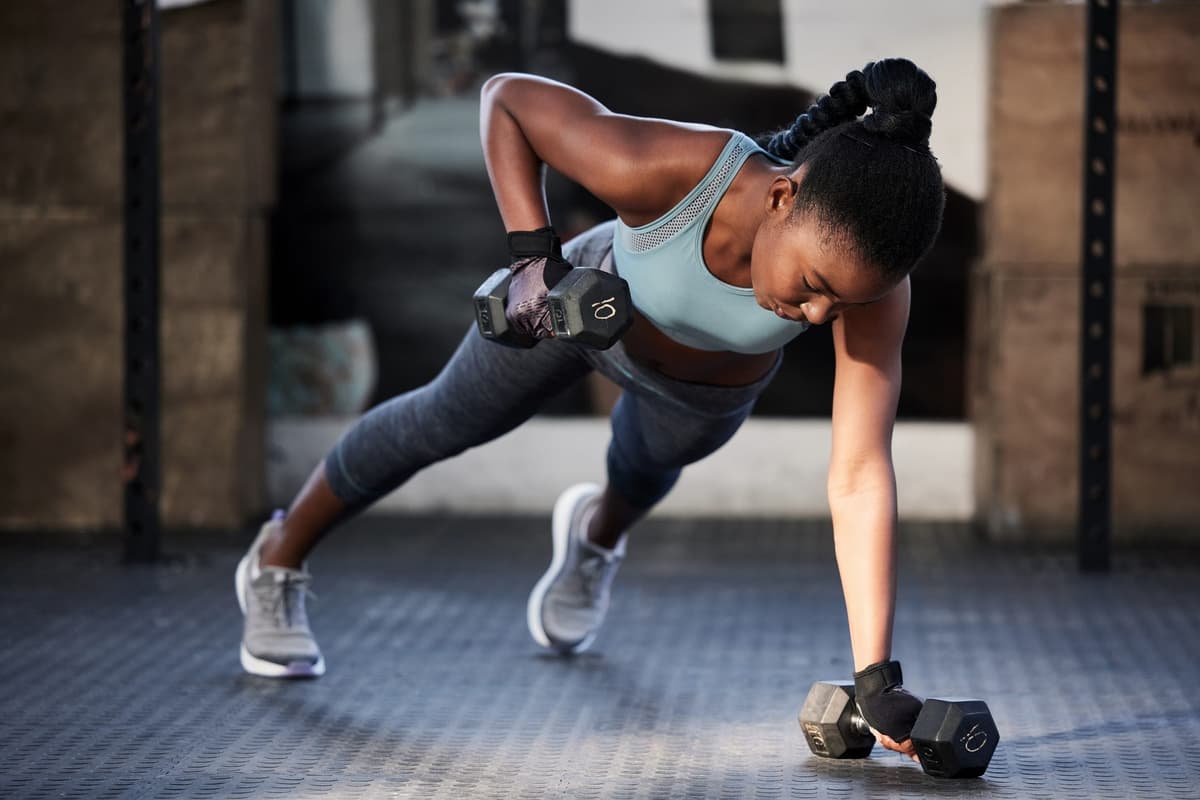
The prescribed routine zeroes in on the muscle groups that matter most on the bike. Core stability exercises, such as the plank knee tap and renegade row, reinforce the torso’s ability to maintain a neutral spine during long climbs. Glute‑centric moves like the hip thrust and reverse lunge generate the hip extension needed for powerful pedal strokes, while upper‑back and chest work—bent‑over rows, chest press, and fly—support a relaxed, aerodynamic posture and reduce shoulder fatigue. By performing each movement with controlled, 12‑rep sets, cyclists develop functional strength that directly translates to smoother power delivery and reduced lower‑back or shoulder discomfort.
To reap the benefits, riders should schedule the workout two to three times per week, allowing at least 48 hours between sessions for recovery. Progressive overload—incrementally increasing dumbbell weight or adding a third round—ensures continued adaptation without overtraining. Proper warm‑up and form focus are essential to avoid new imbalances. As more teams and bike brands endorse strength programs, cyclists who adopt disciplined dumbbell training will likely see faster times, longer rides, and a healthier, more resilient body, positioning themselves ahead of the competition.
Stronger Legs, Stronger Core, Stronger Ride: The Dumbbell Workout Every Cyclist Needs
Comments
Want to join the conversation?
Loading comments...