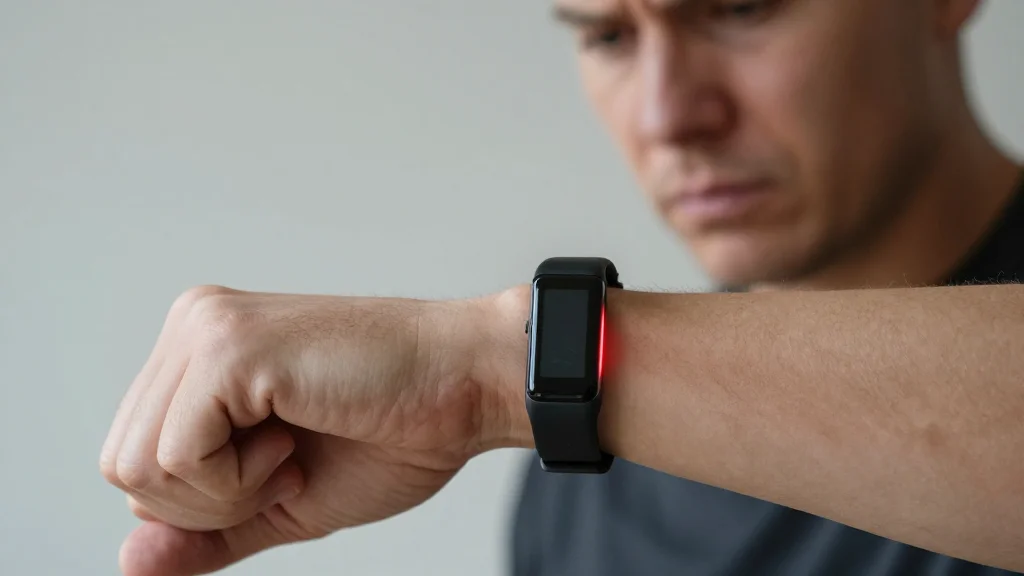
Study Finds Fitness Trackers Spark Shame and Demotivation in Users

Why It Matters
The study challenges the prevailing narrative that wearable fitness technology is an unalloyed good for public health. By documenting concrete emotional harms—shame, irritation, and demotivation—it forces manufacturers to reconsider design choices that prioritize data over user well‑being. For consumers, the research offers a cautionary lens, encouraging more mindful engagement with trackers rather than blind reliance on algorithmic targets. From a broader industry perspective, the findings could reshape product roadmaps, prompting a pivot toward features that support mental health, such as adaptive goal‑setting, positive reinforcement, and integrated stress‑monitoring. If companies act on these insights, they may not only mitigate user churn but also capture a growing market segment that values holistic wellness over pure performance metrics.
Key Takeaways
- •UCL and Loughborough researchers analyzed 58,881 social media posts about top fitness apps.
- •13,799 posts (≈23%) expressed negative emotions like shame, irritation, and demotivation.
- •Study authors call for a shift from rigid calorie counting to holistic wellness approaches.
- •Industry spokespersons argue most users still report increased activity awareness.
- •Findings arrive as global wearable sales are projected to exceed $70 billion in 2026.
Pulse Analysis
The emergence of AI‑driven sentiment analysis as a research tool marks a turning point for the wearables market. Historically, product iterations were guided by usage metrics—steps taken, calories burned—without systematic feedback on emotional outcomes. This study flips that script, showing that the very data points that promise empowerment can also generate distress when presented as immutable targets. Companies that ignore this feedback risk a backlash similar to the recent privacy‑concerns that forced major platform redesigns.
From a competitive standpoint, early adopters of a more empathetic design philosophy could differentiate themselves in a crowded field. Brands like Whoop and Oura have already begun integrating sleep‑quality and recovery scores, framing health as a multi‑dimensional construct rather than a single number. If they expand these features to include adaptive goal‑setting that accounts for day‑to‑day variability, they could capture users disillusioned by the punitive tone of traditional calorie‑counting apps.
Looking ahead, regulators may also take note. The U.S. Consumer Product Safety Commission has hinted at possible guidelines for digital health tools that could include mental‑health impact assessments. Should such standards materialize, manufacturers will need robust, evidence‑based design processes—exactly the kind of data this study provides. In the short term, we can expect a wave of A/B testing where app developers experiment with softer notification tones, optional goal flexibility, and community‑support features aimed at reducing shame. The firms that successfully balance engagement with psychological safety will likely set the new benchmark for what a fitness tracker should be in the next decade.
Study Finds Fitness Trackers Spark Shame and Demotivation in Users
Comments
Want to join the conversation?
Loading comments...