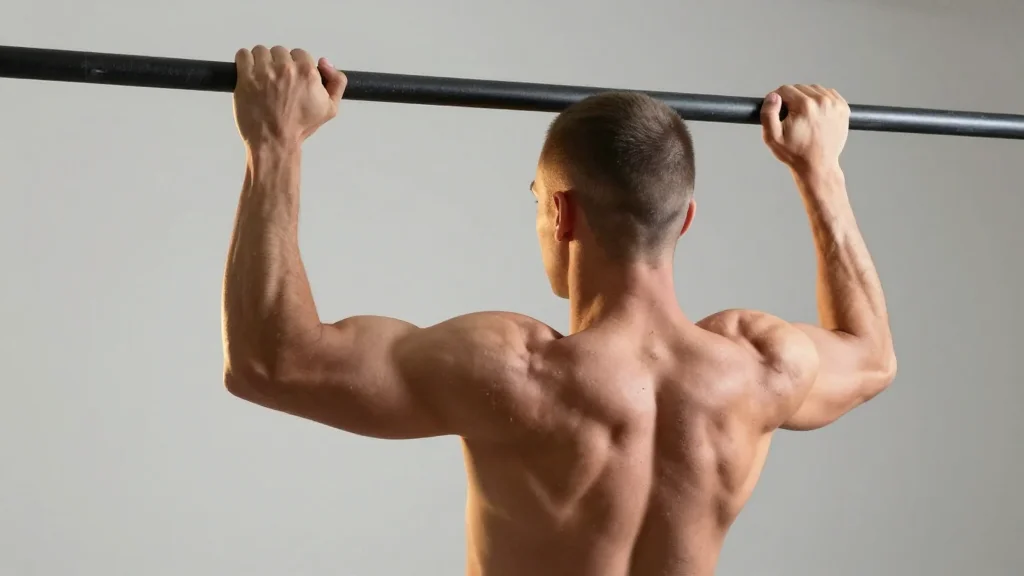
Switching to Hypertrophy Deviation: Seeking Feedback on Upper-Body Focus & Pull-Up Progress
Why It Matters
The switch illustrates how athletes can strategically blend strength and hypertrophy phases to target aesthetic goals without sacrificing recovery, a model many recreational lifters can emulate.
Key Takeaways
- •Zulu H/T blends strength lifts with hypertrophy accessories for upper-body growth
- •Pull‑up progression can coexist with Zulu without compromising volume
- •Delay biceps isolation until pull‑up strength reaches baseline
- •Cut LISS conditioning to two 30‑45‑minute sessions for recovery
- •Focus on progressive overload in OHP, squat, bench, deadlift
Pulse Analysis
Off‑season hypertrophy deviations are gaining traction among lifters who want to prioritize muscle size without abandoning the strength base built during the competitive phase. The Zulu H/T program, derived from the Green Protocol, offers a four‑day split that pairs classic power lifts—overhead press, squat, bench press, and deadlift—with 2‑3 accessory movements per workout. By keeping the primary lifts heavy and adding moderate‑volume accessories, the protocol delivers the mechanical tension needed for strength while providing sufficient metabolic stress for hypertrophy, especially in the chest, back, and arms.
Integrating a dedicated pull‑up progression, such as Athlean‑X’s 0‑5 system, can be seamless if programmed as a finisher rather than a separate weighted movement. Since Zulu already includes pull‑ups at the end of each session, replacing them with body‑weight variations maintains the training frequency and stimulus without inflating total volume. Limiting biceps isolation work until the pull‑up cadence improves prevents premature fatigue, allowing the primary lifts and progressive overload to drive arm growth indirectly. Once the athlete can perform three to five clean reps, adding light curls or hammer variations can fine‑tune arm development.
Reducing conditioning to two 30‑45‑minute LISS sessions preserves aerobic capacity while freeing recovery capacity for the higher‑volume hypertrophy work. This balance mitigates the risk of overtraining, especially for a 21‑year‑old already accustomed to a strength‑centric routine. Monitoring weekly load, ensuring adequate protein intake, and prioritizing sleep will further amplify muscle gains, positioning the athlete for a more aesthetic physique without compromising long‑term strength progression.
Switching to Hypertrophy Deviation: Seeking Feedback on Upper-Body Focus & Pull-Up Progress
Comments
Want to join the conversation?
Loading comments...