Why It Matters
Recognizing OTS early prevents long‑term performance setbacks and health risks for mountain athletes, whose training loads are often extreme. Early intervention safeguards both competitive results and overall well‑being.
Key Takeaways
- •Overtraining progresses from functional to non‑functional overreaching, then OTS
- •Primary signs: performance loss and chronic fatigue despite continued training
- •Secondary signs include muscle tenderness, mood shifts, appetite loss, immune suppression
- •Autonomic nervous system disruption drives heart‑rate elevation and reduced recovery
- •Rest, mental health support, and heart‑rate monitoring are essential interventions
Pulse Analysis
Mountain and endurance athletes push physiological limits, but the fine line between adaptation and overtraining often blurs. Overtraining syndrome emerges when recovery lags behind stimulus, causing chronic stress that overwhelms the autonomic nervous system, depletes glycogen stores, and generates oxidative damage. Unlike a single injury, OTS is a systemic condition that compromises cardiovascular regulation, muscle repair, and metabolic pathways, making performance metrics such as pace, power output, and heart‑rate variability unreliable without proper context.
The symptom profile of OTS is multi‑dimensional. Primary indicators—persistent fatigue and a paradoxical drop in performance—signal that the body is no longer benefitting from training load. Secondary cues, including lingering muscle tenderness, mood volatility, loss of appetite, and heightened susceptibility to illness, reflect deeper disruptions in hormonal balance and immune function. Athletes can detect early autonomic shifts by tracking resting and submaximal heart rates; a consistent elevation suggests inadequate recovery. Coupled with subjective wellness logs, these objective measures create a robust early‑warning system that can halt the progression toward full‑blown syndrome.
Mitigating OTS hinges on strategic rest and holistic support. Structured deload weeks, adequate sleep, and targeted nutrition replenish glycogen and facilitate muscle protein synthesis. Equally critical is mental‑health care—counseling, stress‑management techniques, and community support address the psychological fallout that often accompanies physiological strain. By integrating heart‑rate monitoring, symptom checklists, and proactive recovery protocols, coaches and athletes can preserve long‑term performance, reduce injury risk, and sustain the competitive edge essential in high‑altitude and ultra‑distance events.
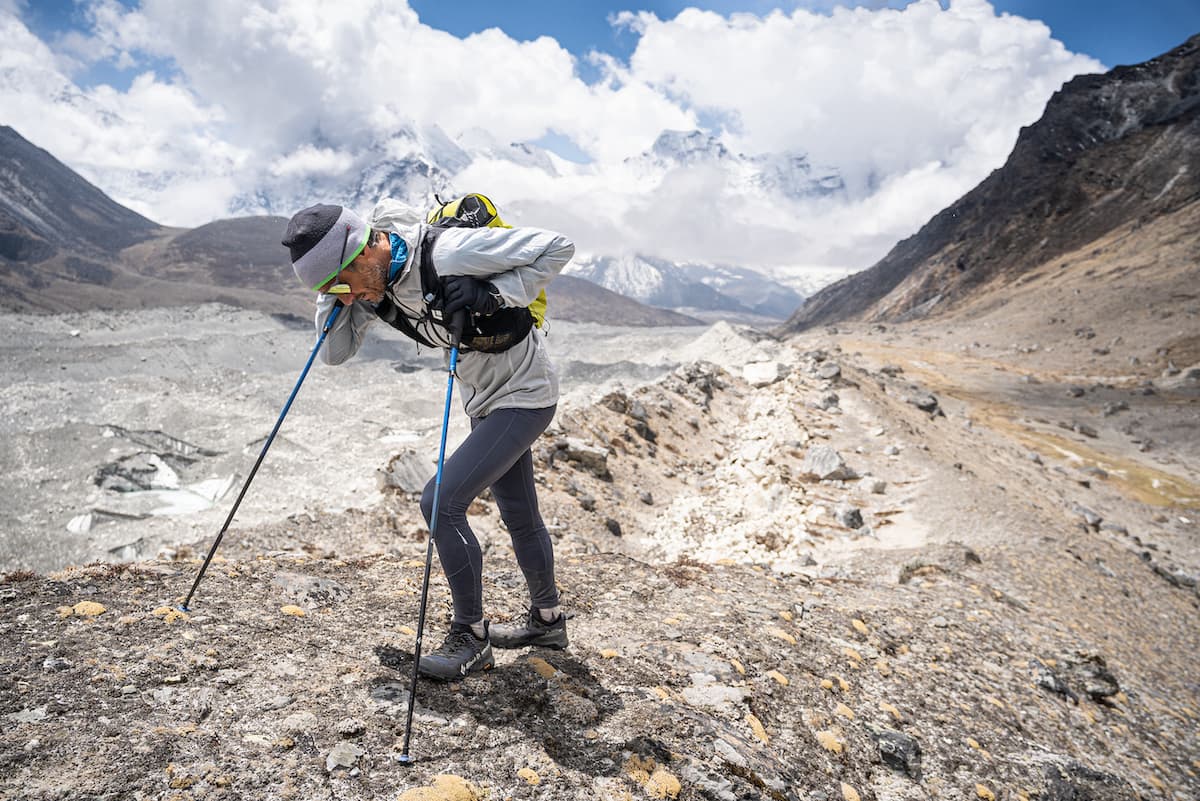
Symptoms of Overtraining in Mountain Athletes
Comments
Want to join the conversation?
Loading comments...