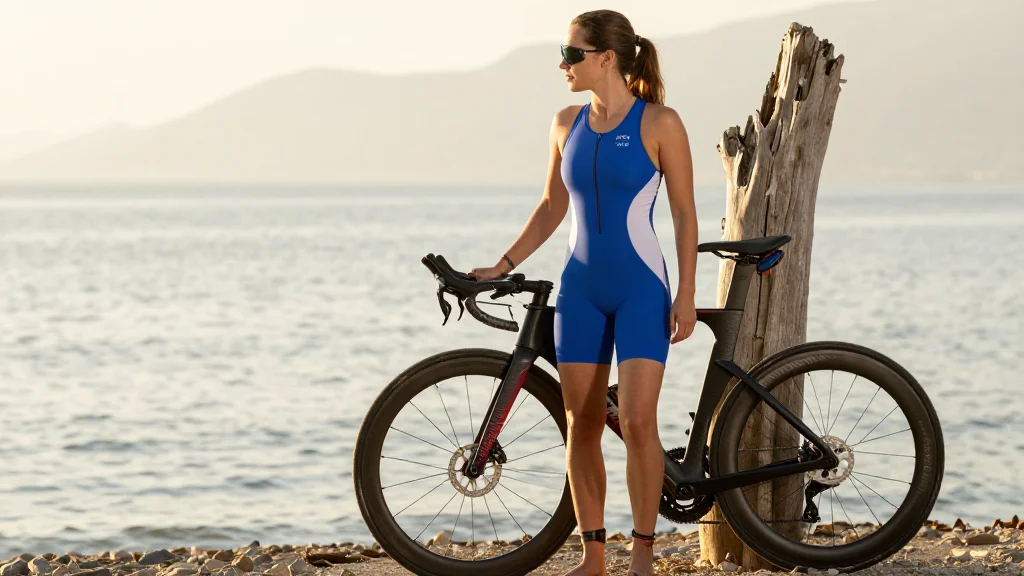
Taylor Spivey Leads U.S. Women at 2026 WTCS Alghero, Securing Top‑10 Finish

Why It Matters
The Alghero WTCS race is the first opportunity for athletes to earn Olympic quota points for the 2028 Los Angeles Games, making every placement critical for national team selection. Taylor Spivey’s top‑ten finish not only boosts her individual ranking but also strengthens the United States’ position in the highly competitive women’s short‑course field, where European nations have traditionally dominated. Beyond the points, the race showcases a shift in training philosophy among U.S. athletes. Taylor Knibb’s comments highlight a growing appetite for the high‑intensity, draft‑legal format that differs markedly from the endurance‑focused IRONMAN circuit. This evolution could influence coaching strategies, sponsorship allocations, and the broader development pipeline for American triathletes aiming for Olympic success.
Key Takeaways
- •Taylor Spivey placed 8th (1:55:20) at the 2026 WTCS Alghero, the first LA28 Olympic qualifier.
- •Spivey’s finish marks her third top‑10 result of the 2026 season (5th Samarkand, 8th Yokohama).
- •Taylor Knibb finished 11th, six weeks after a second‑place at IRONMAN Texas.
- •U.S. men’s top finisher was Chase McQueen (23rd); Seth Rider featured in a bike breakaway.
- •Cassandre Beaugrand won the race in 1:53:49, with Beth Potter second and Lisa Tertsch third.
Pulse Analysis
The Alghero results signal a turning point for U.S. short‑course triathlon. Historically, American athletes have excelled in long‑distance formats, but the recent consistency of Spivey and Knibb suggests a deliberate pivot toward the faster, more tactical sprint distances that dominate Olympic qualification. This shift is likely driven by a combination of coaching adjustments, increased access to European race calendars, and a strategic emphasis on accumulating quota points early in the cycle.
From a competitive standpoint, the U.S. faces a crowded field of European powerhouses—France, Great Britain, and Germany—all of whom field deep squads with extensive draft‑legal experience. Spivey’s ability to stay within the lead pack on both bike and run demonstrates that American athletes can match the pacing and tactical acumen of their rivals. However, the gap to the podium remains; a 2‑minute deficit to winner Cassandre Beaugrand underscores the need for marginal gains in transition efficiency and run speed.
Looking forward, the next WTCS stops will test the durability of this early momentum. If Spivey and Knibb can translate their Alghero form into podium finishes, the United States could secure multiple Olympic berths, altering the composition of the U.S. team for LA28. Conversely, any regression could cede valuable points to European competitors, tightening the qualification race. The strategic takeaway for coaches is clear: prioritize high‑intensity, draft‑legal training blocks while maintaining the endurance base that has traditionally defined American triathlon success.
Taylor Spivey Leads U.S. Women at 2026 WTCS Alghero, Securing Top‑10 Finish
Comments
Want to join the conversation?
Loading comments...