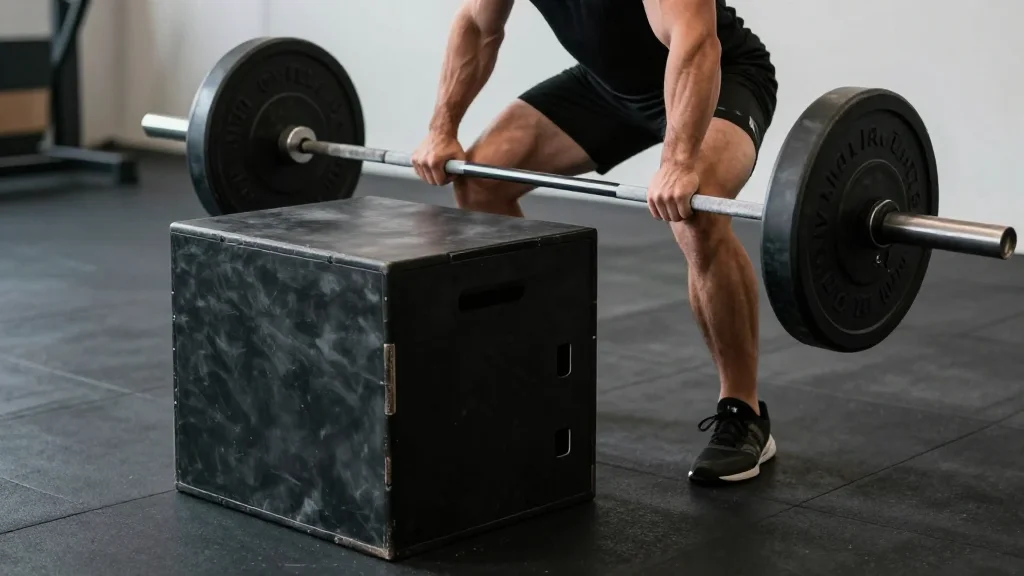
The Benefits of the Box Squat: Why Every Serious Lifter Should Be on the Box
Why It Matters
The box squat delivers measurable strength gains while protecting joints, making it essential for competitive lifters and performance coaches aiming to maximize training efficiency.
Key Takeaways
- •Box squats shift load to glutes, hamstrings, and lower back.
- •Consistent depth eliminates guesswork and improves competition readiness.
- •Training from a dead stop builds explosive power for athletes.
- •Reduced knee shear allows higher volume with faster recovery.
- •Box use accelerates technique acquisition and confidence at the bottom.
Pulse Analysis
The box squat has moved from a niche Westside Barbell exercise to a mainstream strength‑training staple. By compelling the lifter to sit back onto a fixed target, the movement emphasizes the posterior chain—glutes, hamstrings, and lower back—over the quads that dominate traditional free squats. This shift not only unlocks higher load potential but also aligns the biomechanics of powerlifting with the demands of Olympic‑style lifts, where depth and hip drive are paramount. Coaches now prescribe box squats to break plateaus, leveraging the consistent load distribution to generate 100‑200 lb improvements in squat maxes within a single cycle.
Beyond raw strength, the box squat offers precise depth control and a built‑in safety cue. Setting the box a few inches below parallel guarantees every rep hits the same position, eliminating the common “creep” that erodes technique as loads increase. The static‑start nature of the lift removes the stretch‑reflex advantage of free squats, forcing athletes to generate force from a dead stop. This translates directly to explosive actions in sports—sprinting, jumping, and rapid direction changes—making the box squat valuable for football, basketball, and track athletes seeking to improve power output without excessive joint strain.
The market now reflects this growing demand, with manufacturers like EliteFTS offering steel‑reinforced, adjustable boxes that accommodate a range of heights and stances. Such equipment enables coaches to integrate box squats into periodized programs, alternating between dynamic‑effort days on the box and max‑effort days with free squats. As recovery science advances, the reduced knee shear and shorter range of motion associated with box squats allow higher training volumes and faster turnover, supporting the modern athlete’s need for frequent, high‑quality stimulus. Looking ahead, the blend of biomechanical precision and performance benefits positions the box squat as a cornerstone of elite strength curricula.
The Benefits of the Box Squat: Why Every Serious Lifter Should Be on the Box
Comments
Want to join the conversation?
Loading comments...