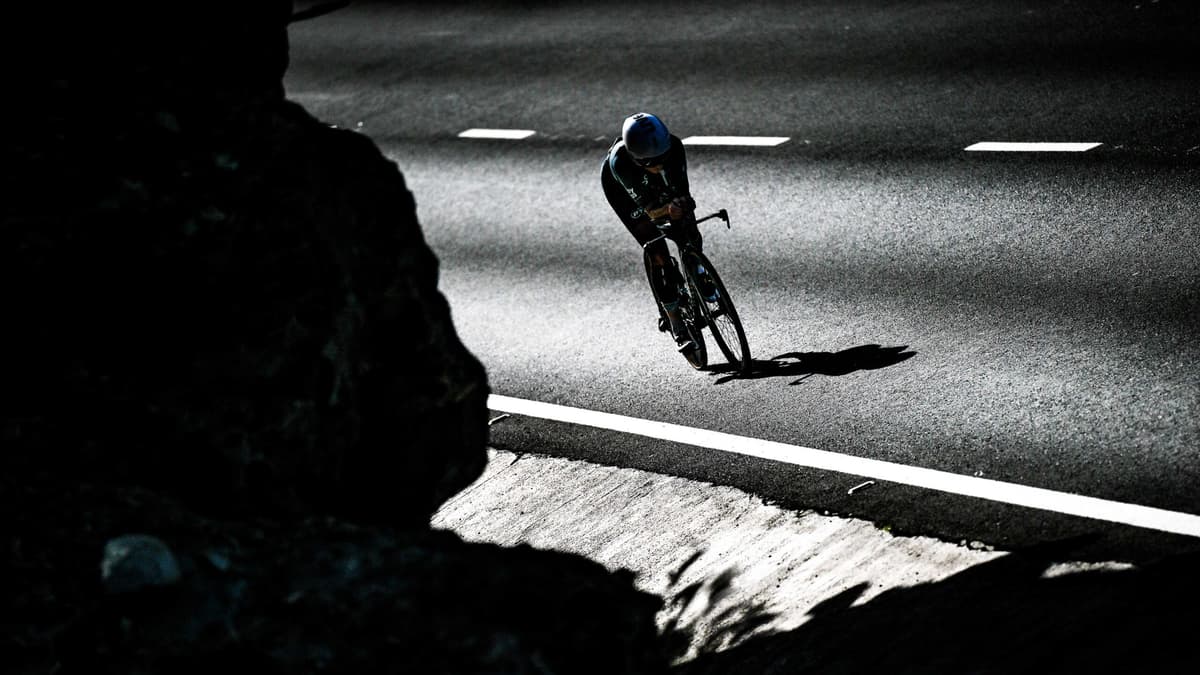
The Biggest Triathlon Pacing Mistakes (And How to Avoid Them)
Why It Matters
Accurate pacing preserves energy, prevents burnout, and can mean the difference between finishing strong and collapsing in Ironman‑distance races.
Key Takeaways
- •Start swim at moderate effort; first 200‑400 m warm‑up
- •Keep bike power 70‑75% FTP; avoid ego surges
- •Lower power targets 5‑10% in heat conditions
- •Start fueling 15‑20 min into bike; 60‑90 g carbs/hour
- •Use RPE, heart‑rate zones or power to pace
Pulse Analysis
Pacing in triathlon is more than a simple split‑time exercise; it’s a physiological choreography that begins in the water. A controlled swim warm‑up limits early spikes in heart rate and cortisol, preserving aerobic capacity for the bike and run. By treating the first 200‑400 meters as a low‑intensity effort, athletes set a stable baseline that prevents the “survival march” often seen when the swim is too aggressive. This approach aligns with sports‑science findings that early anaerobic bursts can impair subsequent power output and increase perceived exertion.
On the bike, power‑based pacing supersedes gut feeling, especially when environmental stressors like heat or wind come into play. Maintaining 70‑75% of Functional Threshold Power (FTP) creates a sustainable aerobic zone, while flexible power targets—lowered 5‑10% in temperatures above 80 °F—account for the extra cardiovascular strain heat imposes. Modern power meters and heart‑rate monitors enable athletes to monitor effort corridors in real time, avoiding the costly “ego surge” that drains glycogen stores and inflates heart‑rate zones, ultimately compromising the run leg.
Nutrition is the third pillar of a cohesive pacing plan. Initiating fuel intake within the first 15‑20 minutes of the bike, at 60‑90 g of carbohydrates per hour, stabilizes blood‑glucose levels and mitigates the sudden power drops associated with glycogen depletion. Coupling this with proactive hydration—drinking at every aid station rather than waiting for thirst—creates a seamless transition from bike to run. Practicing these integrated pacing, power, and nutrition strategies in brick workouts equips masters athletes to adapt to changing conditions and finish races with confidence, not fatigue.
The Biggest Triathlon Pacing Mistakes (And How to Avoid Them)
Comments
Want to join the conversation?
Loading comments...