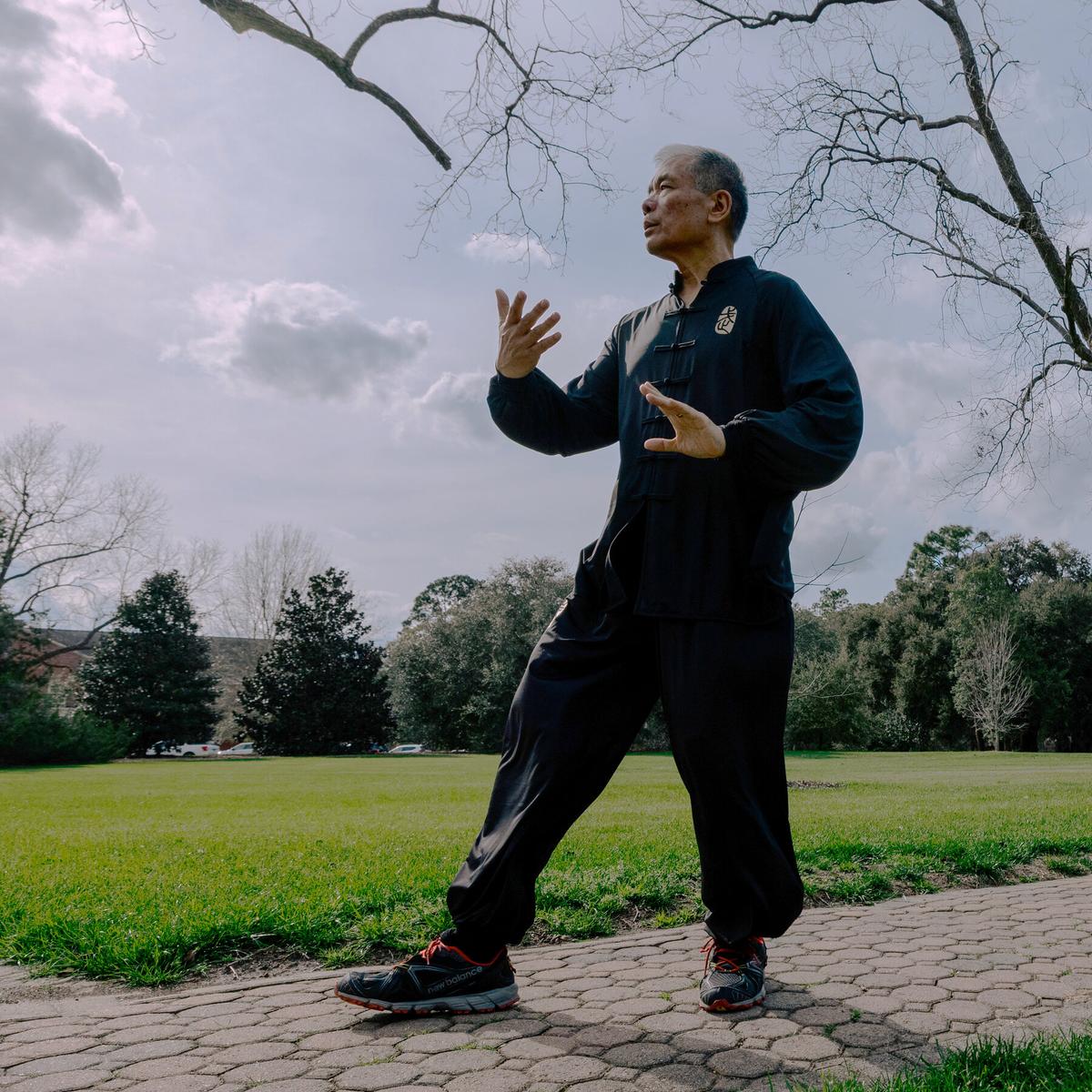
The Very Real Benefits of Tai Chi Walking
•February 28, 2026
0
Why It Matters
With an aging population, low‑impact activities that enhance balance can reduce healthcare costs associated with falls. Understanding the true benefits prevents misinformation and guides wellness programs.
Key Takeaways
- •Tai Chi walking improves balance and reduces fall risk.
- •Social media fuels interest in Tai Chi walking trends.
- •Claims of rapid muscle gain are unsupported by research.
- •Practice integrates breath, mindfulness, and controlled movement.
- •Suitable for seniors and beginners seeking gentle exercise.
Pulse Analysis
The demographic shift toward an older workforce has placed fall prevention at the forefront of public health initiatives. Tai Chi walking, a low‑impact gait exercise rooted in traditional Chinese martial arts, delivers measurable improvements in proprioception and postural stability. Academic studies, including those from Georgia Southern University, link regular practice to a 30‑40% reduction in fall incidents among seniors, translating into fewer emergency visits and lower insurance premiums for employers and insurers.
Meanwhile, platforms like YouTube and TikTok have amplified the visibility of Tai Chi walking, often pairing it with sensational claims of rapid muscle hypertrophy. This viral amplification creates a double‑edged sword: it attracts new participants but also spreads unrealistic expectations. Health professionals caution that the primary physiological adaptations are neuromuscular, not anabolic, emphasizing that consistent, gentle movement yields balance gains rather than bulk. Clear communication from studios and clinicians helps filter hype, ensuring participants adopt sustainable goals.
For wellness providers and corporate health programs, integrating Tai Chi walking offers a cost‑effective, scalable solution. Sessions require minimal equipment and can be conducted in small spaces, making them ideal for assisted‑living facilities, office gyms, or community centers. Certified instructors, like Leda Elliott, tailor routines to varying ability levels, fostering inclusivity. As evidence accumulates and demand steadies, we can expect broader insurance coverage and corporate sponsorships, cementing Tai Chi walking as a staple of preventive health strategies.
The Very Real Benefits of Tai Chi Walking
0
Comments
Want to join the conversation?
Loading comments...