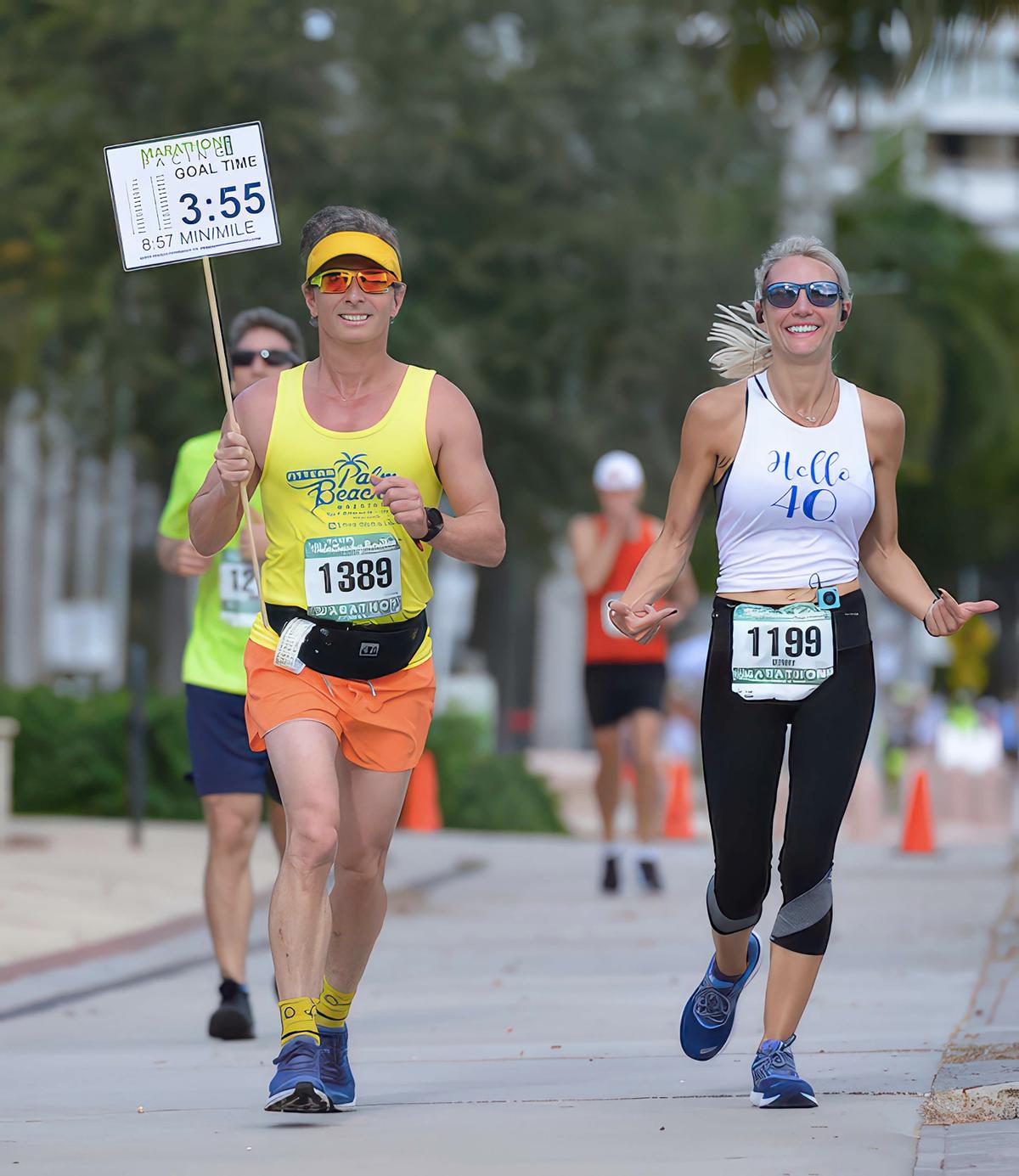
This 61-Year-Old Pace Group Leader Has Run More Than 70 Marathons. He Says This Is the Best Race-Day Strategy for Your First or Fastest 26.2.
Why It Matters
Even‑split pacing reduces the risk of hitting the wall, helping runners achieve personal‑best times and more consistent race outcomes. The guidance also offers race organizers and coaches a proven framework to improve participant performance and satisfaction.
Key Takeaways
- •Masterson advocates even-split pacing for all marathon levels
- •Use elapsed time at mile markers, not wrist watch pace
- •Start at 3‑4 RPE, increase gradually through race
- •Study course hills and water stops before race day
- •Running with a pacer provides motivation and goal accountability
Pulse Analysis
Even‑split pacing has resurfaced as a timeless cornerstone of marathon performance, and Dave Masterson’s decades‑long track record validates its efficacy. By distributing effort evenly, runners avoid the early‑race surge that depletes glycogen stores and precipitates the infamous "wall" around miles 18‑20. Masterson’s approach aligns with physiological research showing that steady energy expenditure maximizes fuel efficiency and maintains a stable heart‑rate zone, allowing athletes to sustain their target speed from start to finish.
Implementing the strategy is straightforward yet nuanced. Masterson recommends beginning the race at a 3‑4 out‑of‑10 perceived exertion level, using mile‑marker clocks or a printed pace band to monitor elapsed time rather than relying on a wrist‑watch’s instantaneous pace readout. This eliminates the noise of variable terrain and crowd congestion. He also urges runners to study the course profile months ahead—identifying hill locations, water stations, and potential bottlenecks—so they can rehearse the effort required for each segment during training. Adjusting cadence on uphills while letting gravity assist on downhills keeps the overall split consistent.
Beyond the biomechanics, the human element of a pacer can be a game‑changer. Masterson’s presence offers real‑time feedback, morale boosts, and accountability, especially for first‑time marathoners or those chasing qualifying standards. For coaches and race directors, promoting pacer groups and providing clear mile‑marker timing can elevate overall finish‑time statistics and participant satisfaction. Masterson’s forthcoming "Marathon 101" promises to codify these insights, delivering a practical handbook for anyone aiming to turn a 26.2‑mile challenge into a personal best.
This 61-Year-Old Pace Group Leader Has Run More Than 70 Marathons. He Says This Is the Best Race-Day Strategy for Your First or Fastest 26.2.
Comments
Want to join the conversation?
Loading comments...