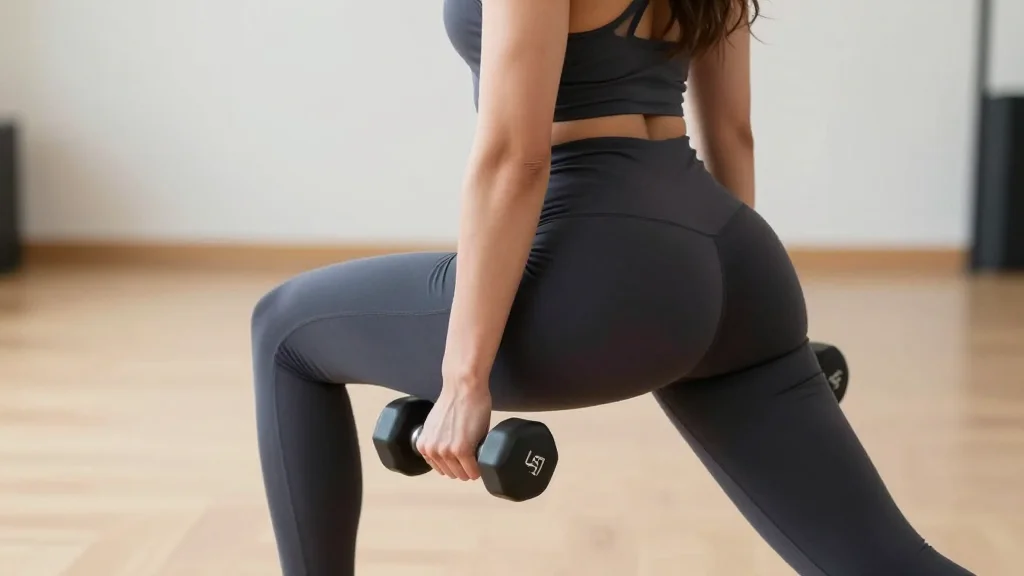
This Lunge Variation Works Your Glutes Even More (With Less Stress On The Knees)
Why It Matters
Reverse lunges offer a joint‑friendly alternative that can broaden gym member participation and reduce injury‑related downtime, a key metric for fitness businesses. Their versatility supports both beginner programming and high‑intensity classes, driving higher utilization of space and equipment.
Key Takeaways
- •Reverse lunges target glutes more than forward lunges
- •Lower knee stress makes them joint‑friendly for beginners
- •Adding dumbbells turns the move into a full‑body exercise
- •Core engagement improves balance and overall stability
- •Trainers recommend hip‑square posture for optimal muscle activation
Pulse Analysis
Reverse lunges have surged in popularity as functional trainers seek movements that maximize glute recruitment without overloading the knees. By stepping backward and hinging at the hips, the exercise stretches the posterior chain, creating a deeper activation of the gluteus maximus compared with traditional forward lunges. The three‑second pause at the bottom reinforces time‑under‑tension, a principle that drives hypertrophy and strength gains. When a dumbbell is added, the lunge engages the upper body and core, delivering a compact full‑body stimulus that fits neatly into limited gym floor space.
Beyond muscle development, the reverse lunge’s reduced knee shear makes it a staple in injury‑prevention protocols and rehabilitation programs. Physical therapists and corporate wellness coordinators favor the movement for its low impact on the patellofemoral joint, allowing participants with pre‑existing knee concerns to stay active. This aligns with the broader industry shift toward inclusive, joint‑friendly workouts that cater to an aging demographic and the growing demand for safe at‑home fitness solutions. Gyms that integrate such exercises can lower member churn linked to injury and attract a wider client base.
From a business perspective, reverse lunges are a cost‑effective programming tool. They require minimal equipment—often just a single dumbbell—yet can be scaled across beginner, intermediate, and advanced classes. Digital fitness platforms capitalize on the move’s simplicity by featuring it in short‑form video tutorials, driving user engagement and subscription retention. For brick‑and‑mortar facilities, promoting low‑impact, high‑return exercises like reverse lunges can boost class attendance, improve equipment utilization, and ultimately enhance revenue streams.
This Lunge Variation Works Your Glutes Even More (With Less Stress On The Knees)
Comments
Want to join the conversation?
Loading comments...