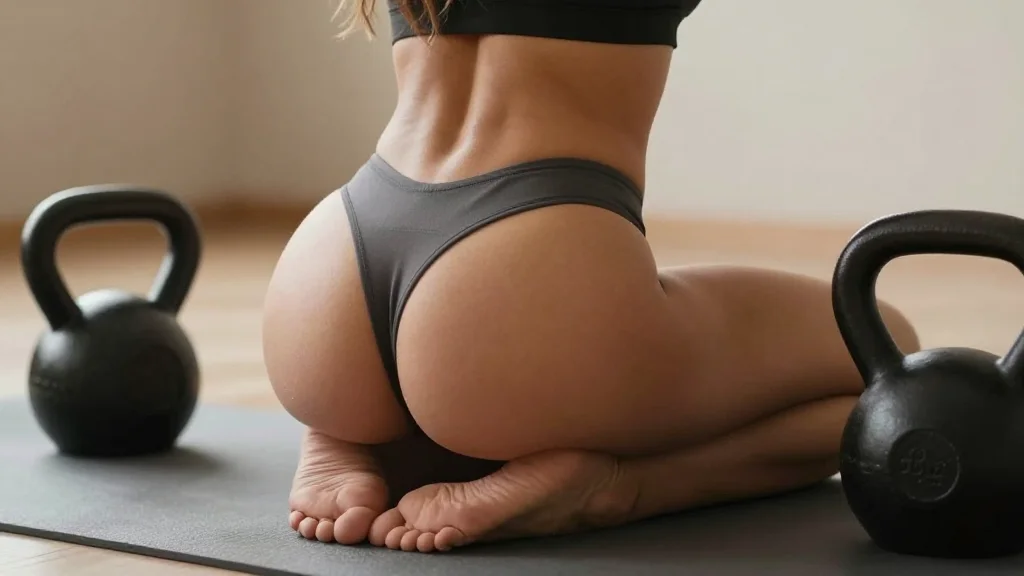
This Muscle Is the Unsung Hero of Longevity. Here’s How to Strengthen It
Why It Matters
Strong glutes reduce back pain, improve mobility, and lower fall risk, directly impacting healthcare costs for an aging population. Incorporating glute training supports independent living and extends productive years.
Key Takeaways
- •Glutes stabilize pelvis, reducing knee and lower‑back pain
- •Weak glutes increase fall risk in older adults
- •Sitting long periods causes “dead‑butt syndrome.”
- •Bridge, hip thrust, squat, deadlift strengthen functional glutes
- •Simple daily moves, like side‑leg kicks, activate glutes
Pulse Analysis
Over the past decade, exercise scientists have shifted focus from isolated aesthetics to functional muscle groups that support long‑term health. The gluteal complex—maximus, medius, and minimus—forms the cornerstone of the posterior chain, transmitting force from the hips to the spine and lower limbs. Recent longitudinal studies show that individuals with above‑average glute strength experience slower age‑related decline in balance and mobility, translating into fewer hospitalizations for falls. As the U.S. population ages, insurers and employers alike are recognizing glute conditioning as a cost‑effective strategy for extending productive years.
Prolonged sitting, now the default posture for many office workers, creates a specific neuromuscular imbalance known as dead‑butt syndrome. When the glutes remain inactive, the hamstrings and lumbar extensors compensate, increasing shear forces on the lumbar spine and knee joint. This compensation pattern not only elevates the risk of chronic low‑back pain but also diminishes proprioceptive feedback essential for safe gait. For older adults, the resulting asymmetry can trigger a fear of falling, which research links to reduced activity levels and accelerated functional decline.
Integrating glute‑focused movements into everyday routines offers a pragmatic solution. Compound lifts such as hip thrusts, squats, and deadlifts recruit the entire posterior chain, while targeted drills—monster walks, clamshells, and single‑leg balances—activate the medius and minimus for pelvic stability. Even brief micro‑sessions, like side‑leg kicks while cooking, can re‑engage dormant fibers and improve gait mechanics. Fitness professionals now prescribe progressive overload combined with mobility work to ensure the glutes remain both strong and supple, a formula that supports independent living and reduces long‑term healthcare costs.
This muscle is the unsung hero of longevity. Here’s how to strengthen it
Comments
Want to join the conversation?
Loading comments...