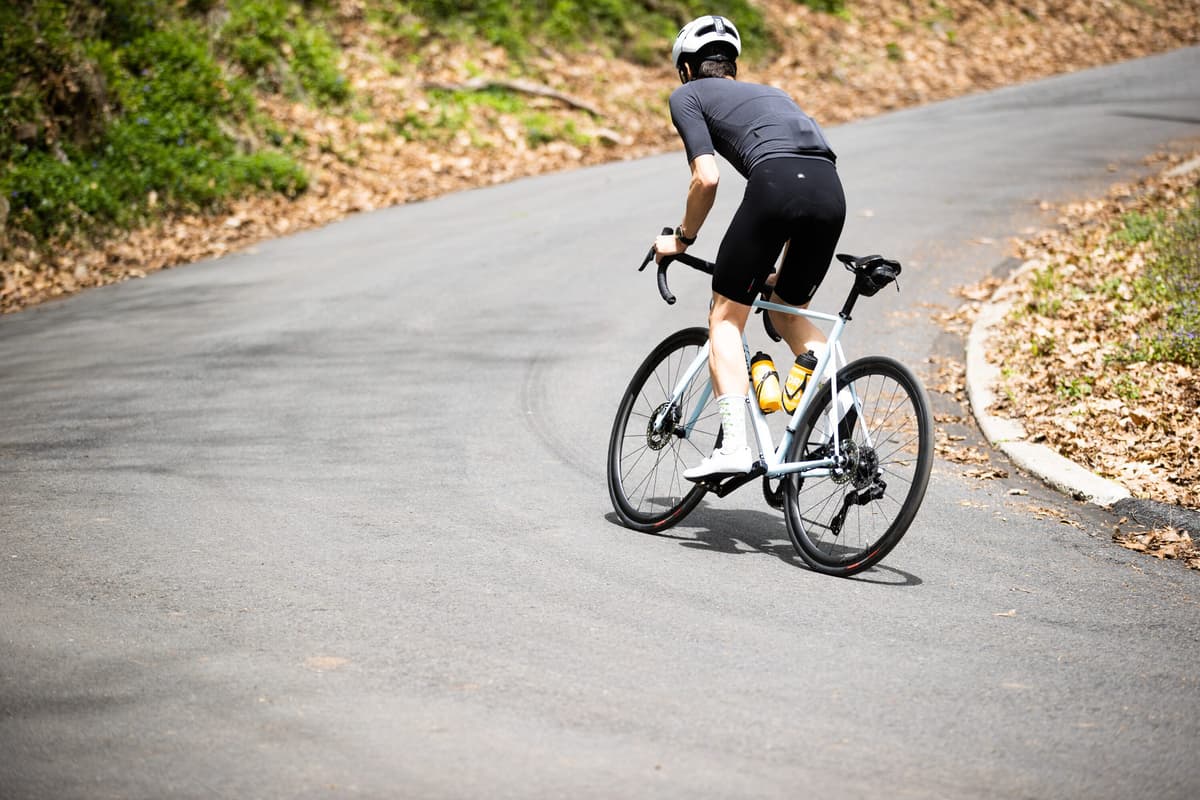
This Simple Strength-Training Tool Builds Power and Stamina Without Lifting a Single Weight
Why It Matters
TRX enables cyclists to integrate effective strength work into tight training schedules, boosting power transfer and reducing injury risk without the logistical burden of traditional gym gear.
Key Takeaways
- •TRX straps enable full-body strength training without traditional weights
- •Portable design lets cyclists train anywhere, from hotels to outdoors
- •Core-focused exercises improve power transfer and riding efficiency
- •Durable nylon straps last over a decade with minimal wear
Pulse Analysis
Strength training has become a non‑negotiable component of elite cycling programs, yet many riders struggle to fit conventional weight rooms into their travel‑heavy schedules. Bodyweight platforms like the TRX Suspension Strap system fill that gap by delivering resistance through gravity and leverage rather than plates. The system’s adjustable length and interchangeable handles allow athletes to progress from beginner planks to explosive atomic push‑ups, targeting the core, glutes, and calves—muscle groups directly linked to pedal force and bike handling. By eliminating the need for dumbbells or machines, cyclists can preserve valuable luggage space while still meeting the volume and intensity required for muscular adaptation.
Born out of a Navy SEAL’s need for portable, deployment‑ready training, the TRX’s design emphasizes durability and versatility. The nylon straps can be anchored to door frames, tree limbs, or purpose‑built wall mounts, turning any stable surface into a functional gym. This flexibility is especially valuable for road cyclists who spend weeks on the road; a quick setup in a hotel room or at a campsite provides a full‑body workout without disrupting travel plans. The system’s low‑profile footprint also appeals to home‑based riders seeking a compact alternative to bulky racks, making it a cost‑effective solution for both professional teams and weekend enthusiasts.
The performance payoff of regular TRX sessions is measurable. Enhanced core stability translates to more efficient energy transfer from the torso to the pedals, improving power output by up to 5 % in lab studies. Simultaneously, the emphasis on unilateral and balance‑centric movements reduces asymmetries that often lead to overuse injuries. As the cycling industry leans toward holistic training models, manufacturers and coaches are increasingly recommending suspension training as a core pillar of periodized programs. The growing adoption of TRX among pro squads and amateur clubs underscores its role as a pragmatic, high‑impact tool for building the strength and stamina cyclists need to stay competitive.
This Simple Strength-Training Tool Builds Power and Stamina Without Lifting a Single Weight
Comments
Want to join the conversation?
Loading comments...