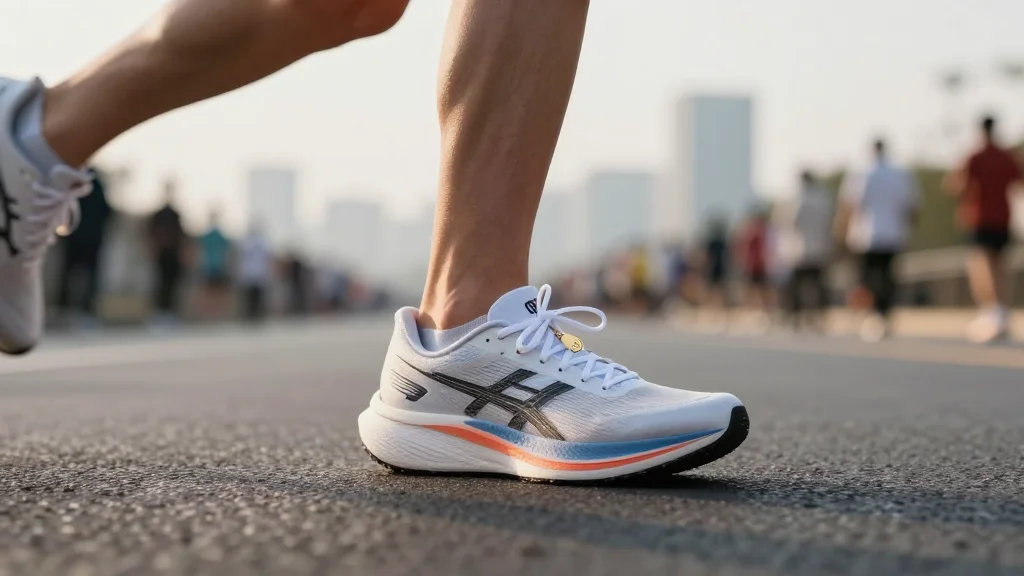
Tigist Assefa Sets Women's‑Only World Record to Win 2026 London Marathon

Why It Matters
Assefa's women‑only world record challenges long‑standing assumptions about the necessity of male pacemakers for elite marathon performance, potentially reshaping training philosophies across the sport. The achievement also amplifies calls for greater visibility and investment in women‑only elite events, which could drive sponsorship, media coverage, and participation among female runners. The record further pressures governing bodies to clarify how records are categorized, influencing everything from race organization to athlete endorsement deals. A shift toward recognizing women‑only performances on equal footing with mixed‑gender marks could accelerate gender equity initiatives within athletics and inspire a new generation of female endurance athletes.
Key Takeaways
- •Tigist Assefa ran 2:15:41 at the 2026 London Marathon, setting a new women‑only world record.
- •She improved her previous record by nine seconds, achieved on the same course in 2025.
- •Kenyan rivals Hellen Obiri (2:15:53) and Joyciline Jepkosgei (2:15:55) posted personal bests.
- •Mixed‑gender record remains 2:09:56 by Ruth Chepngetich, set with male pacemakers.
- •Debate intensifies over the relevance of separate women‑only versus mixed‑gender marathon records.
Pulse Analysis
Tigist Assefa's performance arrives at a crossroads for marathon racing, where the sport grapples with how to honor gender‑specific achievements without fragmenting its historical narrative. Historically, women's marathon records have been set in mixed fields, leveraging male pacemakers to achieve optimal pacing and aerodynamic benefits. Assefa's women‑only record demonstrates that elite female athletes can close the performance gap, suggesting that training programs may increasingly emphasize autonomous pacing strategies, such as virtual pacers or larger women‑only elite packs.
From a commercial perspective, the growing legitimacy of women‑only records could unlock new sponsorship avenues. Brands targeting female consumers have long sought marquee events to anchor campaigns; a distinct women‑only world record provides a clear, marketable storyline. Race organizers may respond by expanding prize money for women‑only elite fields, mirroring the financial incentives traditionally reserved for mixed‑gender competition. This shift could also influence the calendar, prompting more major marathons to schedule separate women‑only elite starts, thereby diversifying the sport's product offering.
Looking forward, the key question is whether World Athletics will formalize a dual‑record system that treats women‑only and mixed‑gender performances as co‑equal milestones. Such a move would validate Assefa's achievement and encourage other athletes to pursue women‑only records, potentially accelerating performance gains across the discipline. Conversely, maintaining a single, mixed‑gender record hierarchy could marginalize women‑only achievements, limiting their impact on training and investment. The outcome will shape the strategic direction of elite marathon running for years to come.
Tigist Assefa Sets Women's‑Only World Record to Win 2026 London Marathon
Comments
Want to join the conversation?
Loading comments...