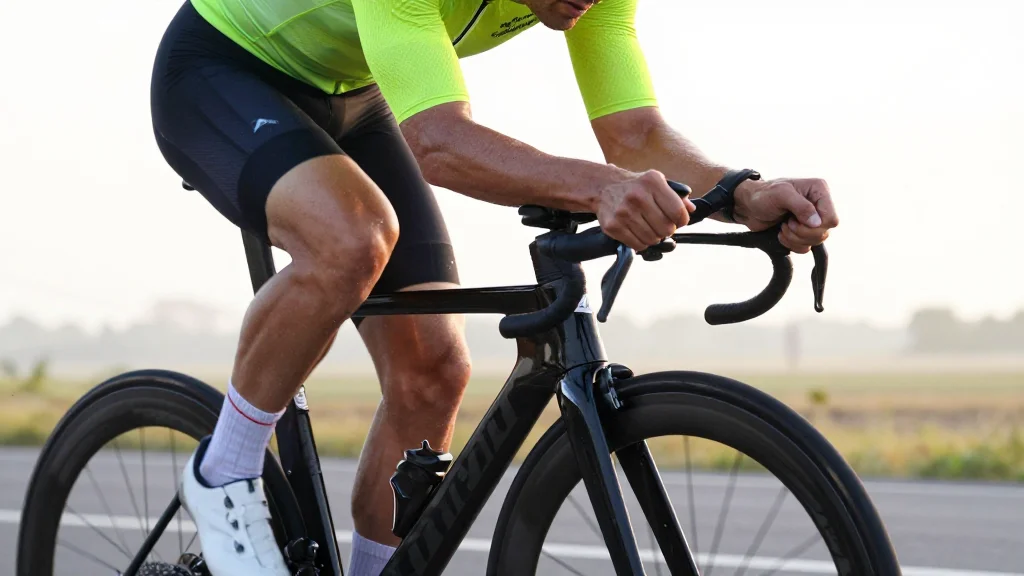
UAE Team Emirates Shifts to Low‑Volume, High‑Intensity Training

Why It Matters
The shift by a premier WorldTour team challenges a core training dogma that has guided cycling for generations. If reduced mileage can deliver equal or superior results, coaches worldwide may overhaul periodisation strategies, potentially lowering injury rates and extending athletes’ careers. Moreover, the change offers a blueprint for amateur cyclists seeking performance gains without the time commitment traditionally required, democratizing elite‑level training concepts. Beyond the sport, the move reflects a broader trend in fitness toward data‑driven, individualized programming. As wearable technology refines power‑meter accuracy and recovery metrics, athletes across disciplines are increasingly able to replace volume‑based prescriptions with precision‑targeted workloads, reshaping how the industry defines optimal training.
Key Takeaways
- •UAE Team Emirates replaces high‑kilometre weeks with focused, high‑intensity blocks.
- •Training now centres on the ‘gray zone’ – just below threshold power – to improve sustained tempo ability.
- •WorldChampion Tadej Pogačar’s regimen features fewer hours but more race‑specific intensity.
- •Florian Vermeersch highlighted the shift, noting flat‑terrain work for Pogačar while others train longer rides.
- •The experiment will be evaluated across spring classics and the Tour de France.
Pulse Analysis
UAE Team Emirates’ pivot is more than a tactical tweak; it signals a potential paradigm shift in endurance sport conditioning. Historically, cycling training has been anchored in the belief that cumulative fatigue builds a stronger engine, a notion reinforced by the sport’s grueling race calendar. However, advances in physiological monitoring now allow teams to pinpoint the exact stimulus needed for adaptation, reducing reliance on brute‑force mileage.
From a competitive standpoint, the move could level the playing field. Smaller teams lacking the resources to log 25‑plus hours per week may now compete by optimizing intensity, narrowing the gap with wealthier squads. Yet the approach carries risk: athletes with lower innate power output may struggle to generate the high‑intensity work required, potentially widening disparities. The upcoming Grand Tours will serve as a litmus test; if UAE’s riders maintain or improve their performance, the model could become a new industry standard.
Looking ahead, the ripple effect may extend beyond cycling. Sports such as marathon running, triathlon, and even team sports are already experimenting with reduced‑volume, high‑intensity protocols. UAE’s high‑visibility platform could accelerate adoption, prompting equipment manufacturers, data‑analytics firms, and sports‑medicine providers to develop tools tailored to this emerging philosophy. In the long run, the success or failure of this experiment will shape how the fitness ecosystem balances quantity and quality in pursuit of peak performance.
UAE Team Emirates Shifts to Low‑Volume, High‑Intensity Training
Comments
Want to join the conversation?
Loading comments...