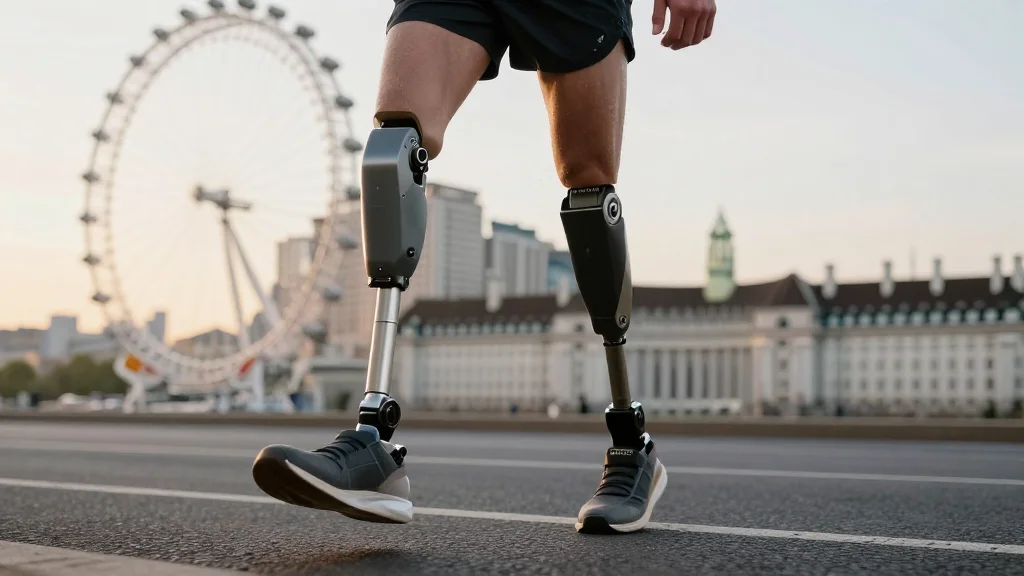
Veteran Triple-Amputee Andy Reid Targets Historic London Marathon Finish

Why It Matters
Andy Reid’s marathon bid shines a spotlight on adaptive training methods and the evolving capabilities of prosthetic technology. By attempting a world‑class endurance event, he challenges stereotypes about disability, encourages investment in high‑performance prosthetics, and provides a powerful narrative for veteran rehabilitation programs. His visibility could spur policy makers to allocate more resources toward inclusive sport initiatives and expand community support for disabled athletes. Beyond the personal story, Reid’s effort may catalyze broader market shifts. Sports equipment manufacturers are likely to accelerate development of modular, lightweight prosthetic components tailored for endurance events. Media coverage of his attempt could also increase public awareness and charitable donations to veteran charities, reinforcing the link between sport, recovery, and social integration.
Key Takeaways
- •Andy Reid, 49, aims to be first triple amputee to finish London Marathon.
- •He expects a 12‑13 hour finish time, covering roughly 80,000 steps.
- •Reid began training on Jan 1 and is raising funds for the Army Benevolent Fund and Standing Tall Foundation.
- •Custom prosthetic system combines powered legs with an arm‑assist device for balance.
- •Success could accelerate adaptive prosthetic innovation and veteran rehabilitation support.
Pulse Analysis
Reid’s marathon attempt arrives at a crossroads for adaptive sport. Historically, endurance events have been dominated by able‑bodied athletes, with occasional breakthroughs from double‑leg amputees or wheelchair racers. A triple‑amputee crossing the finish line would redefine the performance envelope, forcing manufacturers to rethink weight, power output, and control algorithms for prosthetic limbs. The market for high‑performance prosthetics, already projected to exceed $2 billion globally, could see a surge in R&D spending as brands vie for the next breakthrough.
From a cultural perspective, Reid’s narrative taps into a growing appetite for stories of resilience that intersect with technology. Media coverage will likely amplify his message, driving public interest in inclusive sport and potentially influencing policy. Governments may feel pressure to fund adaptive training facilities and streamline medical device approvals, echoing trends seen after previous high‑profile adaptive athletes broke barriers.
Looking ahead, the marathon could serve as a proving ground for data‑driven training platforms that integrate biometric monitoring with prosthetic performance. If Reid completes the race within his target window, it will validate a new class of endurance‑focused prosthetic design, encouraging sponsors and investors to back startups targeting this niche. Conversely, any setbacks will highlight the remaining gaps in support infrastructure, prompting a reassessment of safety protocols for extreme adaptive events. Either outcome will shape the next chapter of disability sport and veteran rehabilitation.
Veteran Triple-Amputee Andy Reid Targets Historic London Marathon Finish
Comments
Want to join the conversation?
Loading comments...