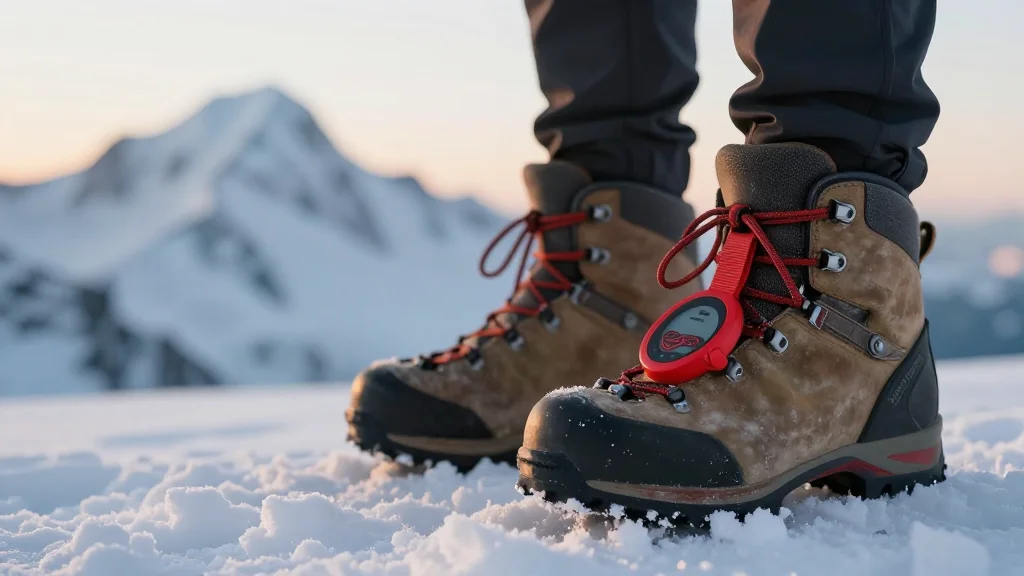
Want to Climb Mount Everest? The Training May Leave You Breathless.
Why It Matters
The surge in Everest‑focused training services expands a lucrative market while raising safety and environmental stakes for an increasingly inexperienced climbing crowd.
Key Takeaways
- •Everest permits rose to 517 in 2025, fueling guide demand
- •Training plans now mirror ultramarathon and cycling endurance programs
- •Coaches charge varying fees for six- to twelve‑month custom regimens
- •DIY drills, like ladder bridges, add personalized cardio challenges
- •Industry growth raises safety and environmental concerns for mass climbers
Pulse Analysis
The allure of standing atop the world’s highest peak has morphed into a scalable business model. In 2025 Nepal granted 517 foreign climbing permits, a record that has spurred a proliferation of guiding companies, insurance products, and specialized logistics firms. This influx of aspirants—many with limited high‑altitude experience—has turned Everest into a revenue engine comparable to major adventure tourism destinations, prompting investors to monitor permit trends as a proxy for sector health.
Parallel to the commercial surge, training methodologies have undergone a seismic shift. Traditional mountaineering curricula, once centered on technical rope work and acclimatization tactics, now incorporate endurance regimens akin to those used by ultramarathoners and cyclists. Coaches like Scott Johnson design six‑ to twelve‑month programs that prioritize low‑intensity aerobic volume, interval sessions, and altitude simulation, while allowing clients to customize elements—such as Pemberton’s farm‑built ladder bridge—to maintain engagement. Pricing varies widely, creating a tiered market where premium one‑on‑one mentorship coexists with downloadable digital plans.
The rapid expansion carries both opportunity and risk. On the upside, a structured training ecosystem can improve climber fitness, potentially reducing altitude‑related incidents. Conversely, the democratization of summit attempts raises concerns about overcrowding, waste management, and the adequacy of emergency response in remote zones. Stakeholders—from guide operators to conservation NGOs—must balance profit motives with sustainable practices to ensure Everest remains a viable, albeit challenging, destination for future generations.
Want to Climb Mount Everest? The Training May Leave You Breathless.
Comments
Want to join the conversation?
Loading comments...