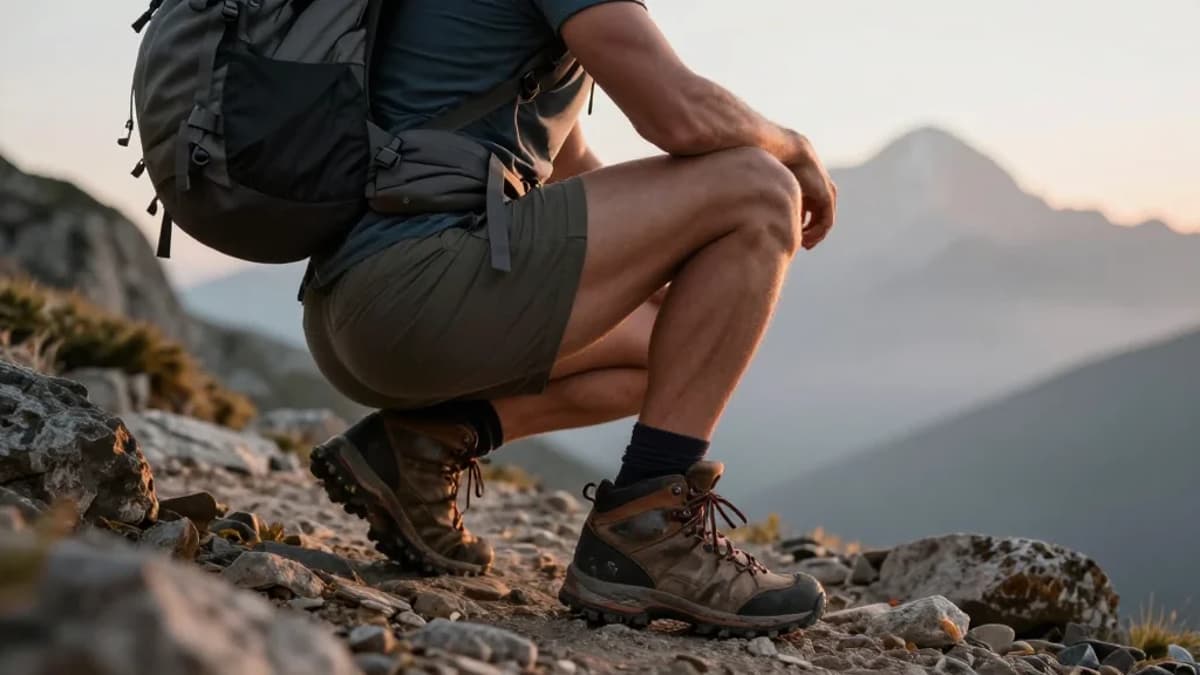
Want to Crush Steep Hikes? This 6-Move Squat Workout Is Your Secret Weapon.
•March 5, 2026
0
Why It Matters
Enhanced squat strength translates directly into better uphill performance and reduced injury risk for backpackers, making the routine a high‑impact addition to outdoor fitness plans.
Key Takeaways
- •Heavy squats mimic loaded backpack
- •Lateral squats target glute medius stability
- •Bulgarian split squats expose unilateral weaknesses
- •Plyometric squats boost power and cardio
- •Ankle mobility improves hiking balance
Pulse Analysis
Hiking demands a blend of endurance, balance, and raw leg power, yet many backpackers overlook targeted strength work. Squats are the cornerstone of functional training because they engage the glutes, quads, and core while reinforcing proper hip hinge mechanics. By loading the movement with a barbell or weighted pack, athletes simulate the spinal compression and forward‑lean forces experienced on steep ascents, creating a direct transfer from the gym to the trail.
Each variation in the six‑move sequence addresses a specific hiking challenge. Side squats and curtsy squats activate the glute medius and external rotators, stabilizing the pelvis on uneven terrain. Bulgarian split squats reveal and correct side‑to‑side strength imbalances that often cause one leg to dominate on long treks. Plyometric jumps develop explosive power for rapid elevation changes and improve cardiovascular conditioning, while also sharpening neuromuscular coordination essential for navigating rocky scrambles.
To integrate the routine, hikers should schedule two to three sessions per week, beginning with a thorough mobility warm‑up and progressing to heavy loads that leave the final reps “hard.” Rest periods of 60‑90 seconds keep intensity high without sacrificing form. Over time, consistent squat training yields stronger strides, better ankle control, and a more resilient spine, ultimately enabling hikers to conquer steeper climbs with confidence and lower injury risk.
Want to Crush Steep Hikes? This 6-Move Squat Workout Is Your Secret Weapon.
0
Comments
Want to join the conversation?
Loading comments...