Want To Lift Heavier & Move Better? The #1 Movement Upgrade Most Lifters Ignore
Why It Matters
Foot‑centric training unlocks hidden strength gains while lowering injury risk, offering a cost‑effective performance edge for both competitive lifters and casual gym‑goers. It also supports long‑term functional health, a priority for an aging population.
Key Takeaways
- •Minimalist footwear boosts intrinsic foot muscle activation during lifts
- •Improved foot stability translates to higher squat and deadlift power
- •Gradual barefoot integration reduces injury risk and enhances proprioception
- •Strong feet support better balance, posture, and longevity for aging athletes
Pulse Analysis
The biomechanics of the foot are often the silent engine behind every major lift. When a lifter stands on a thick, cushioned sole, the nervous system receives muted signals, causing the deeper stabilizers in the arch, toes, and ankle to stay dormant. Recent studies in sports science show that restoring direct ground contact re‑engages these intrinsic muscles, sharpening proprioception and creating a more stable base for force transfer. This heightened foot‑ground interaction not only lifts performance metrics but also correlates with reduced incidence of lower‑body injuries and better postural control.
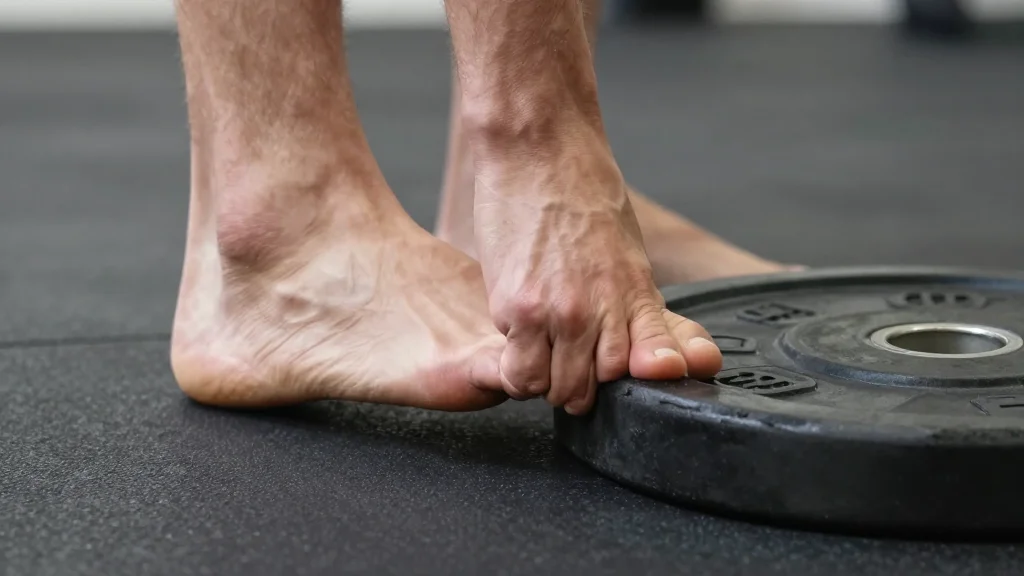
Integrating barefoot or minimalist training into a strength routine is best approached incrementally. Begin with low‑load movements—deadlifts, calf raises, farmer's carries—performed without shoes or in ultra‑light shoes that allow toe splay. Emphasize loading through the mid‑foot and feel the toes grip the surface; this cue activates the arch and forefoot stabilizers. Gradually increase weight and volume as the foot adapts, and pair the practice with targeted foot‑strengthening drills such as towel scrunches or short‑range hops. Consistency over weeks yields noticeable improvements in balance, lift stability, and overall power output.
The shift toward foot‑first training aligns with a broader market trend: minimalist and barefoot‑compatible footwear sales have surged by double‑digit percentages in the past two years, as gyms and coaches endorse functional movement principles. This consumer demand is prompting equipment manufacturers to develop platforms that accommodate shoeless work, while physical‑therapy clinics are adding foot‑strength protocols to injury‑prevention programs. As the fitness industry embraces the concept that a strong foundation starts at the toes, athletes of all ages can expect more resilient bodies and a reduced likelihood of age‑related mobility decline.
Want To Lift Heavier & Move Better? The #1 Movement Upgrade Most Lifters Ignore
Comments
Want to join the conversation?
Loading comments...