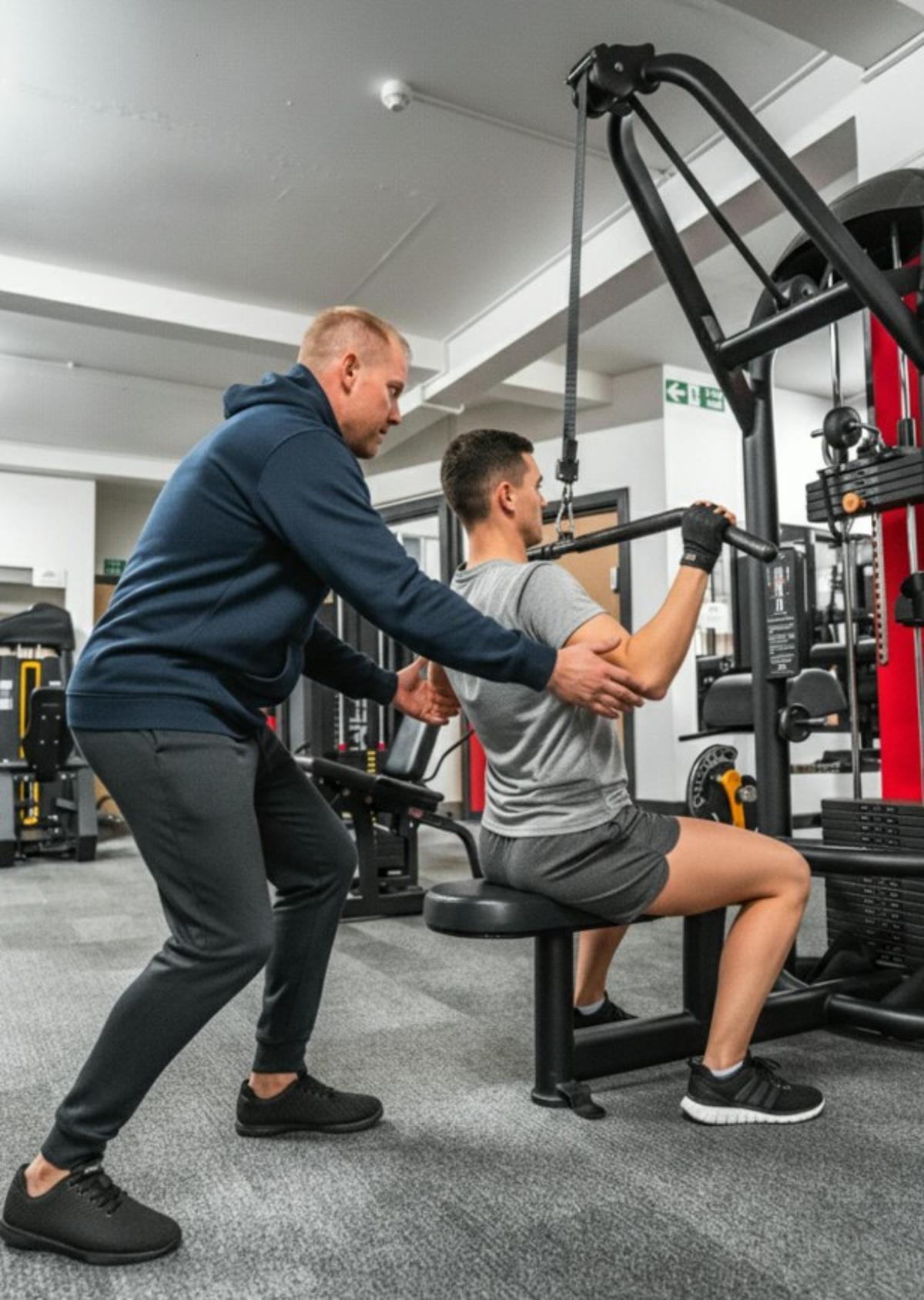
What To Do If You Aren’t Getting Results After A Workout
Why It Matters
Fixing hidden performance blockers saves time, reduces injury risk, and helps individuals meet fitness goals, bolstering the broader health‑and‑wellness market.
Key Takeaways
- •Structured programming with progressive overload drives consistent gains
- •Adequate protein, calories, and hydration are essential for muscle recovery
- •Quality sleep and planned rest prevent overtraining and performance decline
- •Precise technique and regular progress tracking boost efficiency and motivation
Pulse Analysis
Plateaus are a common complaint in the fitness industry, yet they often stem from a lack of strategic programming rather than insufficient effort. When workouts are random or lack progressive overload, muscles receive no new stimulus, stalling adaptation. Fitness professionals now stress periodized plans that incrementally increase load, volume, or complexity, ensuring continuous stress on target tissues. This approach aligns with emerging research that links structured variability to long‑term hypertrophy and strength gains, making it a cornerstone for personal trainers and commercial gyms alike.
Nutrition, hydration, and recovery form the triad that translates gym work into measurable results. Adequate caloric intake—especially protein at roughly 1.6 g per kilogram of body weight—supports muscle protein synthesis, while consistent hydration maintains performance and reduces fatigue. Equally critical, sleep quality governs hormone balance, including growth hormone and cortisol, directly influencing repair processes. Overtraining symptoms such as chronic soreness or declining lifts signal the need for rest, whereas undertraining fails to provide sufficient stimulus. Balancing training volume with deliberate rest days optimizes the anabolic window and mitigates burnout, a principle increasingly adopted by corporate wellness programs.
Technology and mindset are the final levers for breaking through stagnation. Wearable trackers, workout‑logging apps, and even EMS suits offer data‑driven insights that help athletes fine‑tune intensity, monitor recovery, and maintain accountability. However, tools are only as effective as the user’s engagement; setting clear, measurable goals and periodically refreshing routines sustain motivation and prevent mental fatigue. As the industry leans toward holistic, evidence‑based coaching, integrating structured programming, proper fueling, recovery protocols, and smart tech creates a resilient framework for continuous improvement.
What To Do If You Aren’t Getting Results After A Workout
Comments
Want to join the conversation?
Loading comments...